
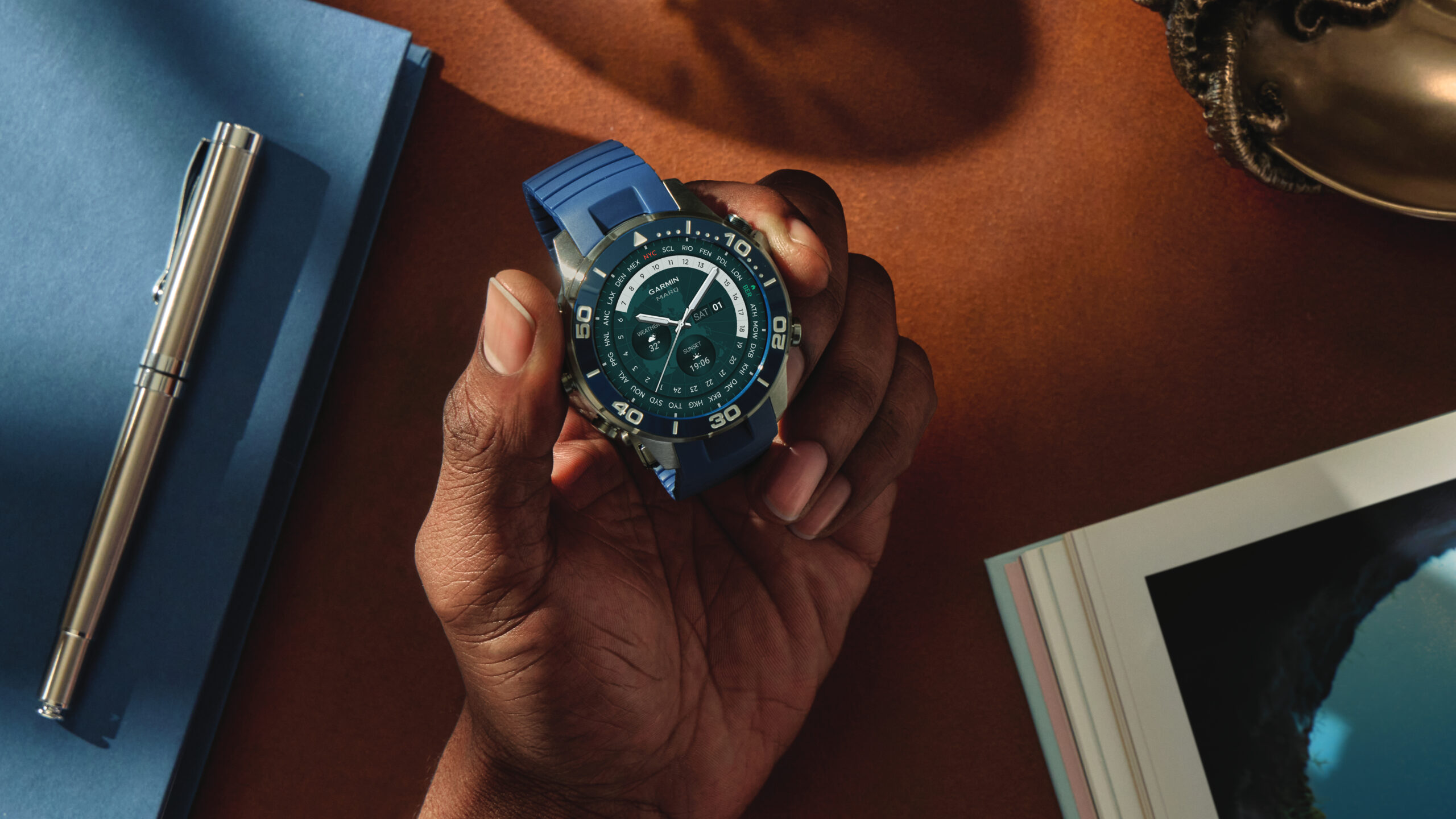
Is the Marq 3, Garmin’s most watchmaking-coded release yet, enough to convince a mechanical purist?
I’m not a luddite. I just want to get that out the way right at the top of the article. I’m on all the socials, I’m in a toxically sticky relationship with my various email addresses and I’m an avid gamer. I’m all for tech. But I’m all for it on my terms. What I mean by that is that I prefer my tech to have an off switch, not just to, you know, turn it off, but to stop it encroaching on my life too much. Which is largely why I’ve never embraced smartwatches.
You might assume that I’ve steered clear because of my deep, abiding love of the mechanical. I’m sorry to disabuse you of that notion, but I do genuinely think there’s a place for both – even if you don’t double wrist. It’s just not a place I’ve been too tempted to take myself. I don’t want to be alerted every time I get a press release; I certainly don’t want to track how little exercise I do and given I have a two-year-old, checking my quality of sleep terrifies me.
And yet I found myself in Spain with a Garmin Marq 3 on my wrist.



The Marq series has always been an interesting proposition. Even if you’re not deep into wearables, you probably know Garmin by reputation as the leader in their crowded field of software-loaded sports trackers. It’s made a name for itself by creating ultra-specific solutions to ultra-specific problems – from specific programmes for various sports to a golf watch pre-loaded with millimetre-accurate courses. The Marq is the German brand’s attempt to blend all that upper-echelon tech with actual watchmaking.
The Marq is, of course, still a smartwatch; Garmin isn’t attempting a hybrid here. But the construction, finishing and experience on the wrist are far, far closer to a traditional wristwatch than any other smartwatch on the market. We’re talking a titanium case, a ceramic bezel insert and a sapphire lens; knurling on the crowns and, most impressively, pushers that feel mechanical.
Obviously, a lot of effort has gone into that feeling, but let’s drill down into that last because it’s exemplary of obsession. Normally, you’d press the button, and the electronics will instantly pick it up with a delay too short for the human to fathom. Here though, Garmin has actually slowed things down. The button itself is a separate mechanism designed to imitate the feel of a chronograph pusher, placed outside of the Marq’s sealed inner case alongside an inductive sensor. What you’re essentially doing is manually clicking the connection in place.
This is a seriously impressive solution. You get that quintessential mechanical feel and sound, but the electronics remain sealed in their waterproof core. It’s an elegant enough solution that it had me wondering if watchmakers could learn a thing or two from it; after all, Horage’s MicroReg system uses electromagnetism to regulate the balance. Could there be a crossover?
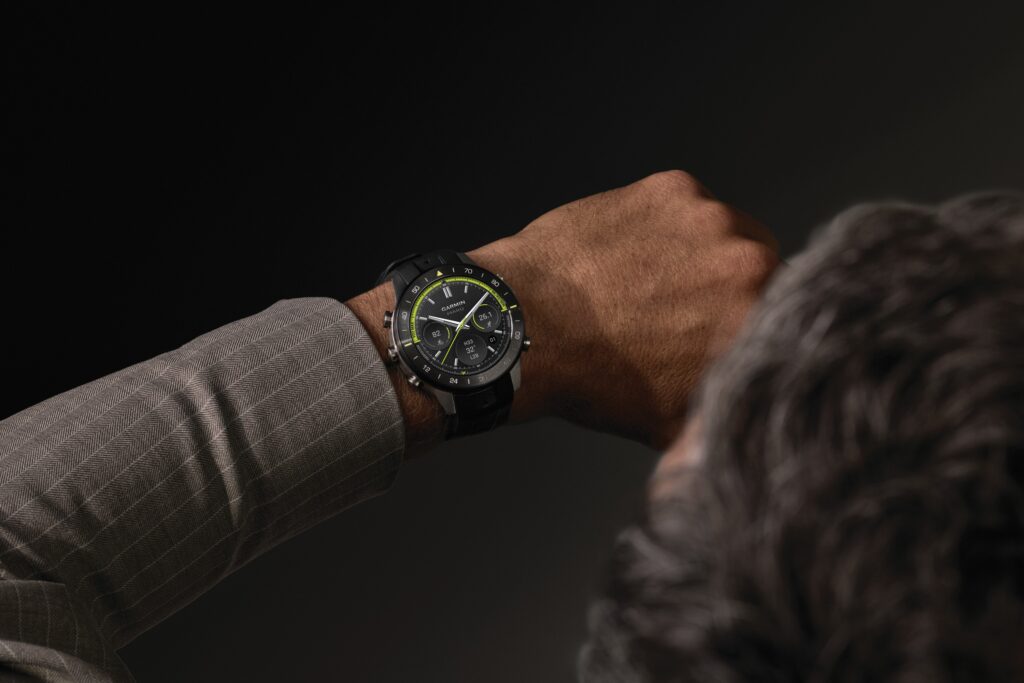
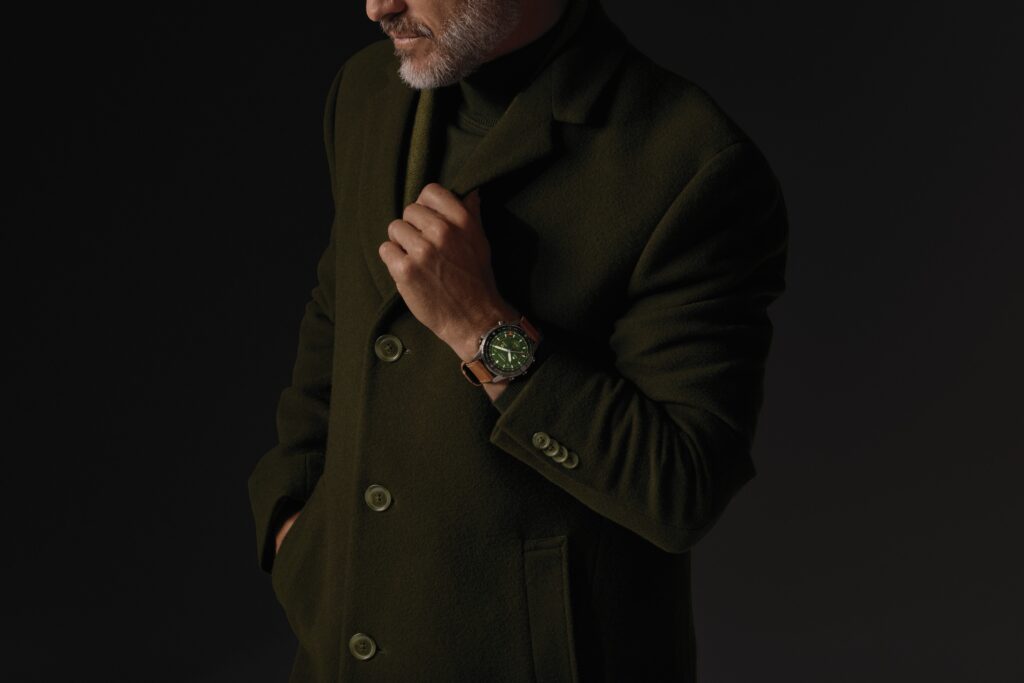
Right, back to the Marq 3 before I get too sidetracked. It is a big watch at 47mm by 15mm. Its relatively short lugs make that more wearable than it seems on paper but it’s by no means diminutive. If you’re a fan of chunky divers, you won’t notice much; if 36mm is the upper limit of your vintage collection, you might struggle. At least the titanium keeps it feeling comfortable even if, like me, you end up taking it for a light hike in the Mallorcan sunshine. That’s helped by the variety of rubber straps that honestly, are better realised here than on some specialised divers. They’re integrated, supple and good-looking.
The biggest gripe most people seem to have with the Apple Watch is battery life. 2 days seems to be the ceiling. The Marq 3 has 7 days with the display always on; 18 days as standard and 24 days in battery saver mode. That gets cut substantially when in high-energy GPS mode, but as a baseline it puts nearly all mechanical watch movements to shame.
As for functionality, well, that depends which model you go for. As I said, Garmin made its name with specialised solutions and in the Marq that means six different models: the Adventurer, Athlete, Aviator, Commander, Diver and Golfer. Of the selection, the Diver is the real new addition, but they’ve all had an overhaul from previous generations.
As for what that specialisation means, let’s pick out a few examples. I mentioned that the Golfer has pretty much every course in the world uploaded into its maps. But it can do much, much more. By taking weather conditions and the topography of the course, it doesn’t just give you the actual length of the shot, but what club you should be using. The maps are detailed enough to show the green and can tell you where and how you should be trying to hit your ball while putting. Basically, your caddy will be out of a tip.
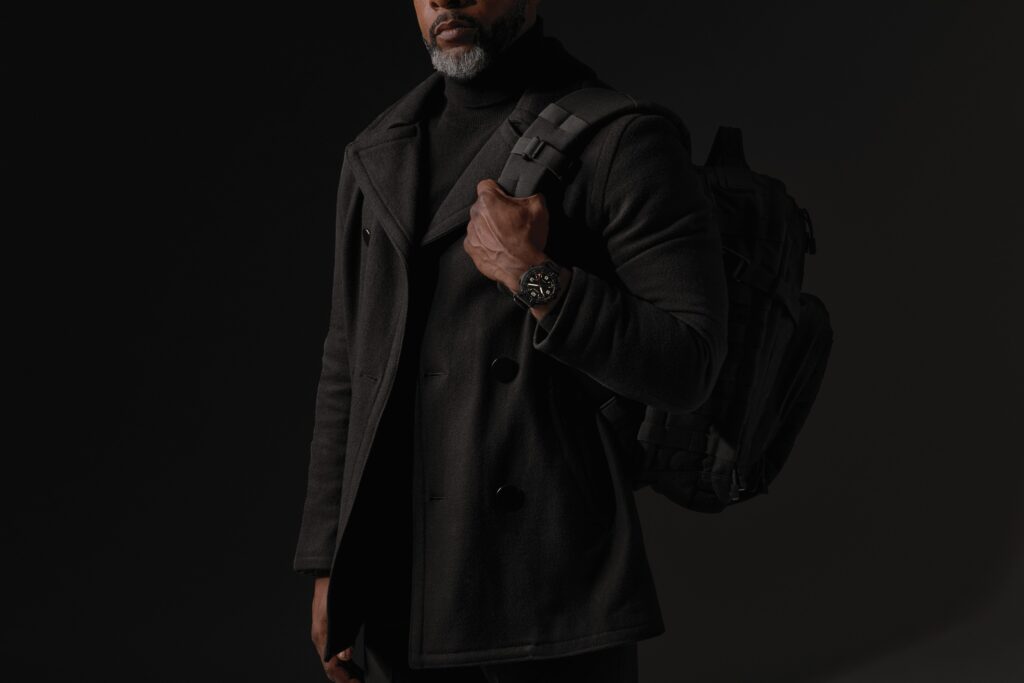
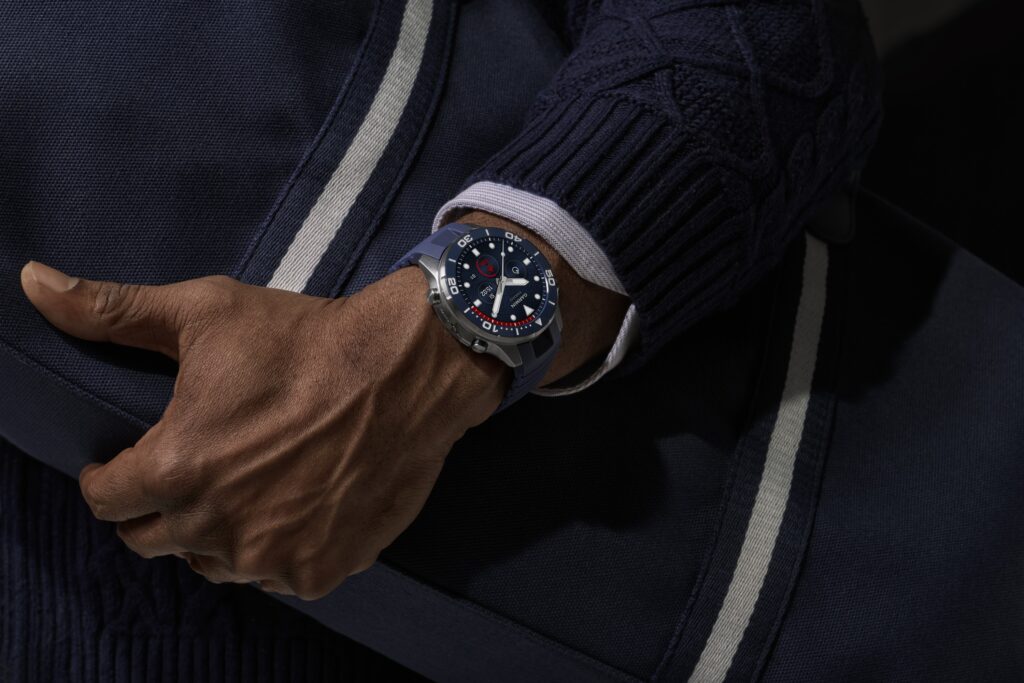
The Diver on the other hand drops all golf functions for ‘DiveView’ maps, a dive compass, surface GPS and various data analysis tools to help you prep for and stay underwater longer. It’s not quite Garmin’s dive computers, but it’s not far off – and the 47mm sizing comes into its own over a wetsuit.
Then we get to the Aviator which, once connected to your plane, can land it for you. No, that’s not a joke. If your pilot were to have a heart attack, your smartwatch is able to contact air traffic control, liaise between them and the plane and get you safely down. It’s slightly terrifying.
All of this is on top of things like Garmin Response, which puts the Breitling Emergency in the shade as an anywhere-in-the-world, satellite-connected rescue service. Having spoke to a few mountaineers about this exact function, it’s hard to overstate how important a function it is for those who need it… which brings me to how I found it all.
This run of insane functions, genuinely lifesaving or at the very least life-improving functions, are great for other people. Each Marq 3 is highly specialised with stuff that I just don’t need. In fact, I’d feel like an imposter if I were wearing one. Yes, the Adventurer and Athlete are a touch more general but even so, I wouldn’t be using most of what it can do.
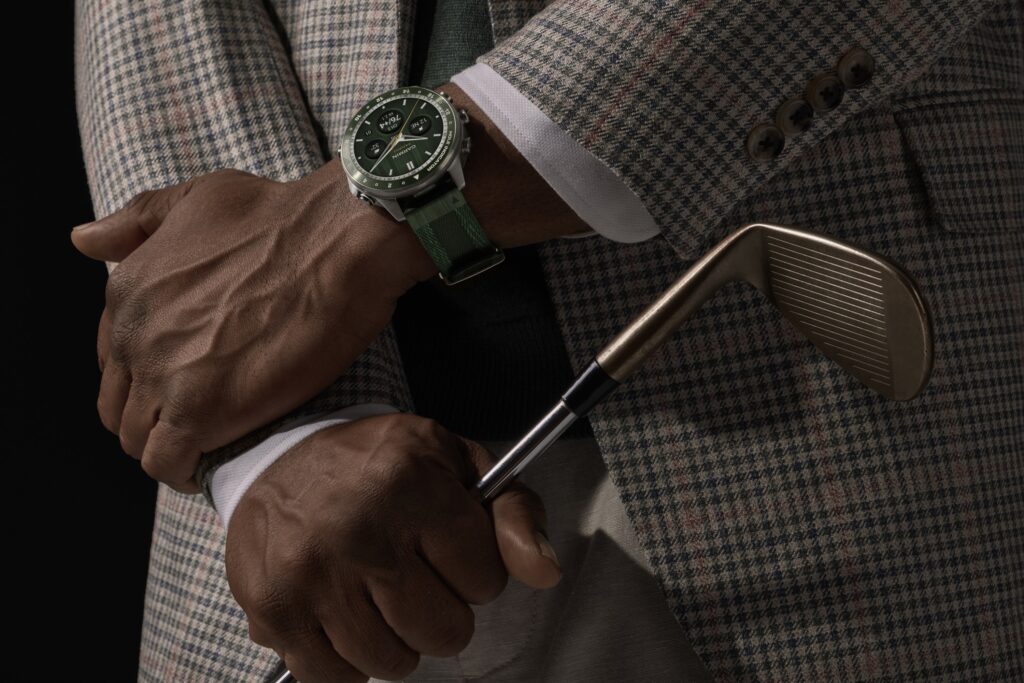
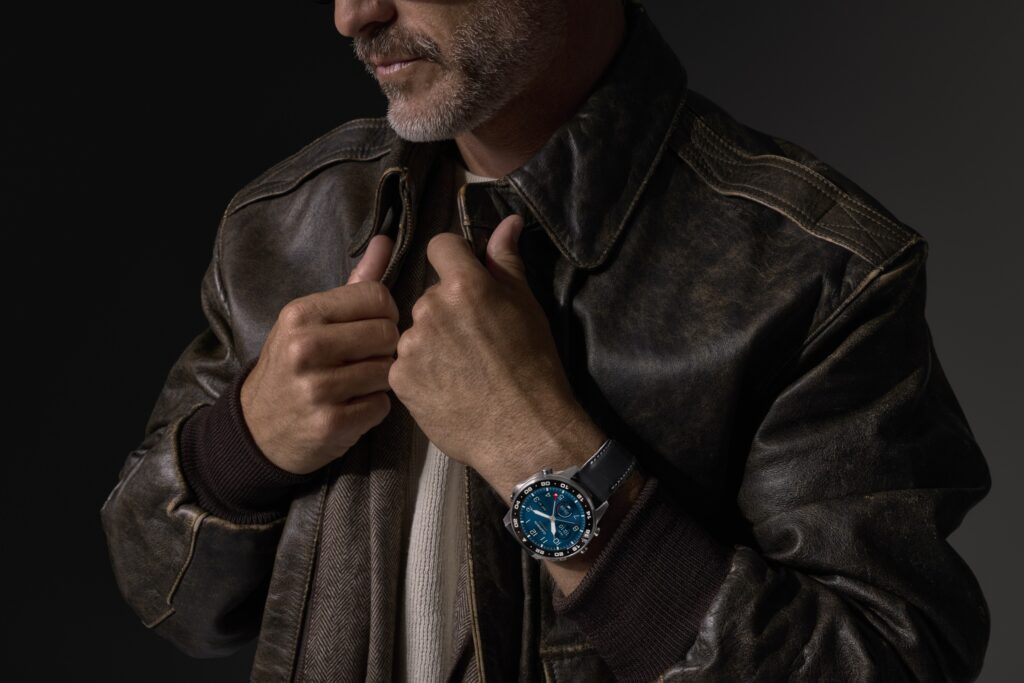
That’s a bit of a shame, because I do genuinely like the feel of the Marq 3, I love the finishing and the obsessive attention to detail – especially when it comes to making it feel more mechanical. I enjoyed a whole host of functions that I don’t really have the word count to explore – the expansive dial customisation, Garmin’s body battery tracking, the cool colourways for each mode, etc. – but I can’t see myself saying, ‘I want to wear the Athlete’. That’s just not me. Is it a mental block? Perhaps, but we often wear watches because of what they say about us and I’m not sure I want my watch to scream, ‘Commando’.
At the same time, the people that would use those functions likely already have a smartwatch and it’s likely already a Garmin. So, while the Marq is embracing a lot of what makes wristwatches great, it’s more of an upsell than an alternative. That’s no bad thing; in fact, it might even give smartwatch wearers a greater appreciation for horology. But I don’t see the conversion running the other way.
The Garmin Marq 3 is the best smartwatch I’ve ever worn for a multitude of reasons, and I can’t see anyone matching it in style, functionality and attention-to-detail. But has it made me feel like I need a smartwatch? Not yet. Though there’s still hope.