
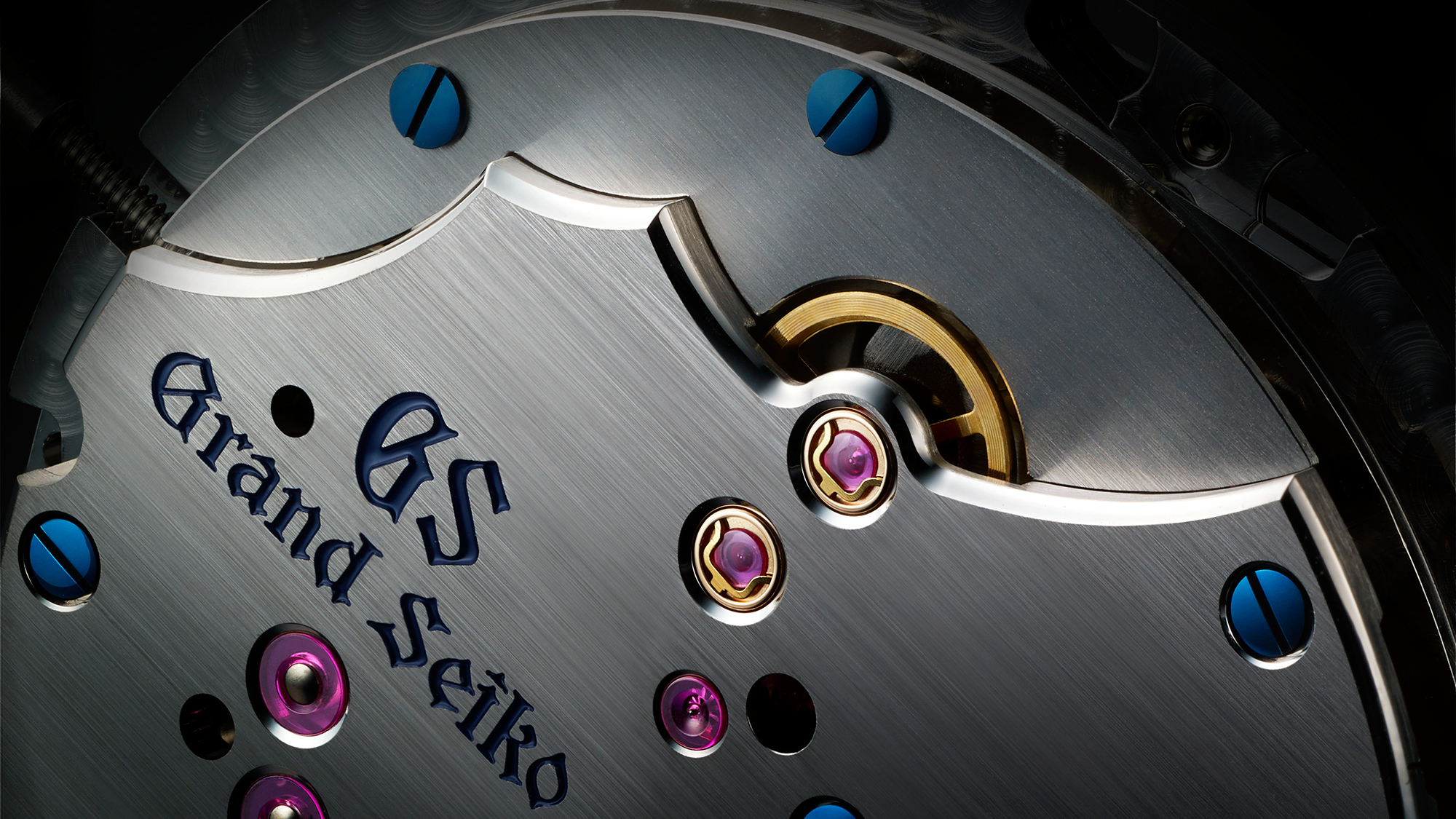
Grand Seiko’s hybrid movement is widely accepted as one of the most groundbreaking ever built – but how does it work?
Love is a strong yet overused word in watch analysis. I get it: it’s an easy go-to to express a deep admiration for something that sits in a tier above things you simply like. But when I say I love the Spring Drive concept, I really mean I am in love with it. I adore it. It wakes me up in the middle of the night, saps my appetite for food, and ties my stomach in knots. It’s disturbingly brilliant. In an industry that thrives on iterative sameness, the Spring Drive — still, after all these years — stands alone on an island of inspiration, unlike anything else that has graced our wrists before or since.
It actively annoys me that there are so few such wonderfully novel things to talk about in the industry (if you’ve read my recent tirade regarding the lack of innovation at Geneva Watch Days, you might already have gotten that impression). We’ve seen many academically interesting operating systems such as electronic watches, tuning fork mechanisms, and various “different for the sake of it” escapements come and go. But never has a totally different way of building a movement emerged and persisted for so long alongside the two “standard” options of mechanical or quartz.
It is a glorious hybrid. A “griffin” concept, if you will (of all the niche neologisms I’ve contributed to Horology over the years, that one might be the nichest). Perhaps the length of time it took to develop reveals why it is so special. In truth, the fact Grand Seiko stuck with the notion despite so many years of setbacks, project suspensions, and disappointment is a testament to the belief the designer and his superiors had in it — a belief that has borne out to be well held. More than two decades after its debut, the Spring Drive remains a beguiling anomaly in a sea of similarity.
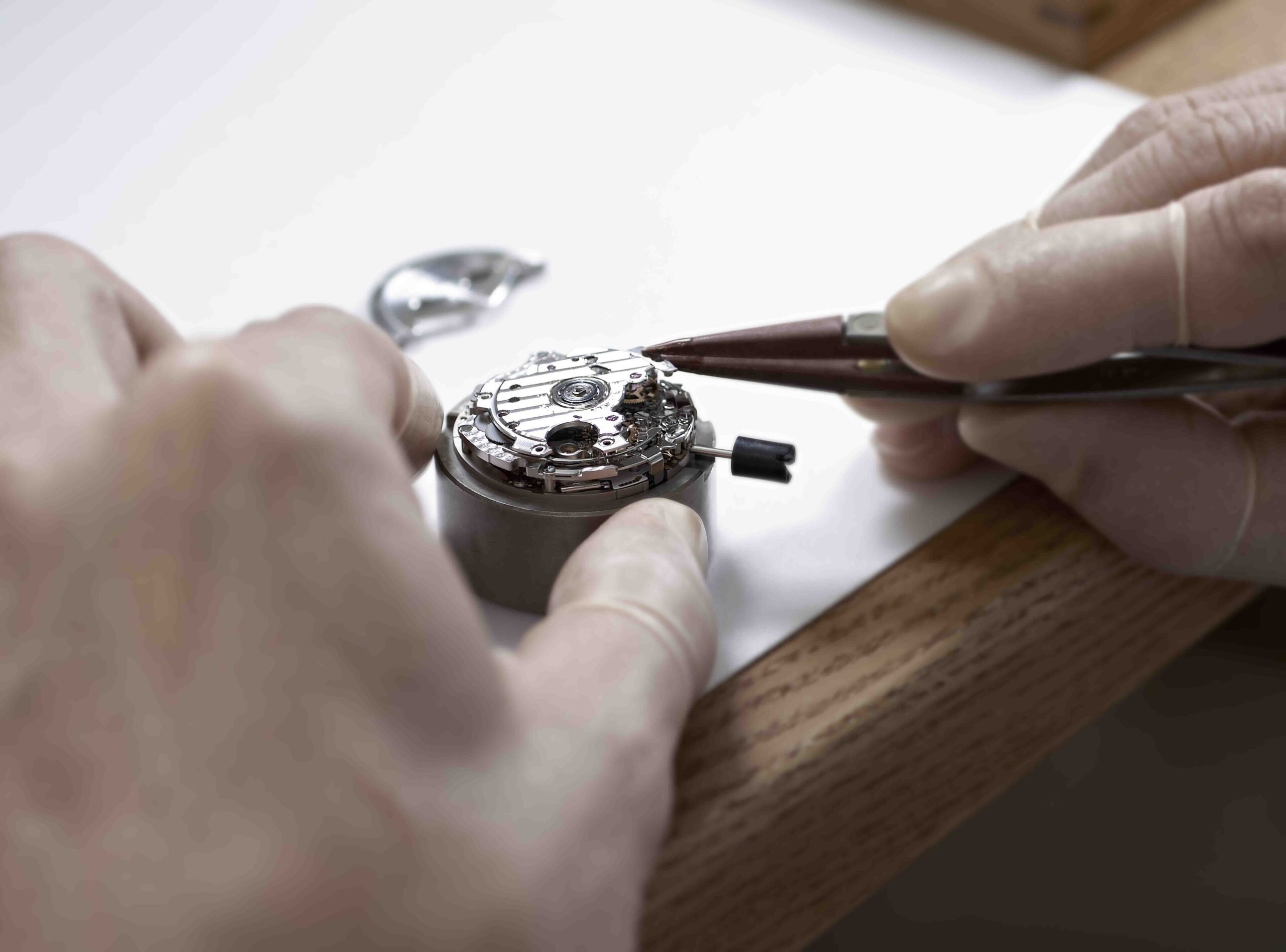
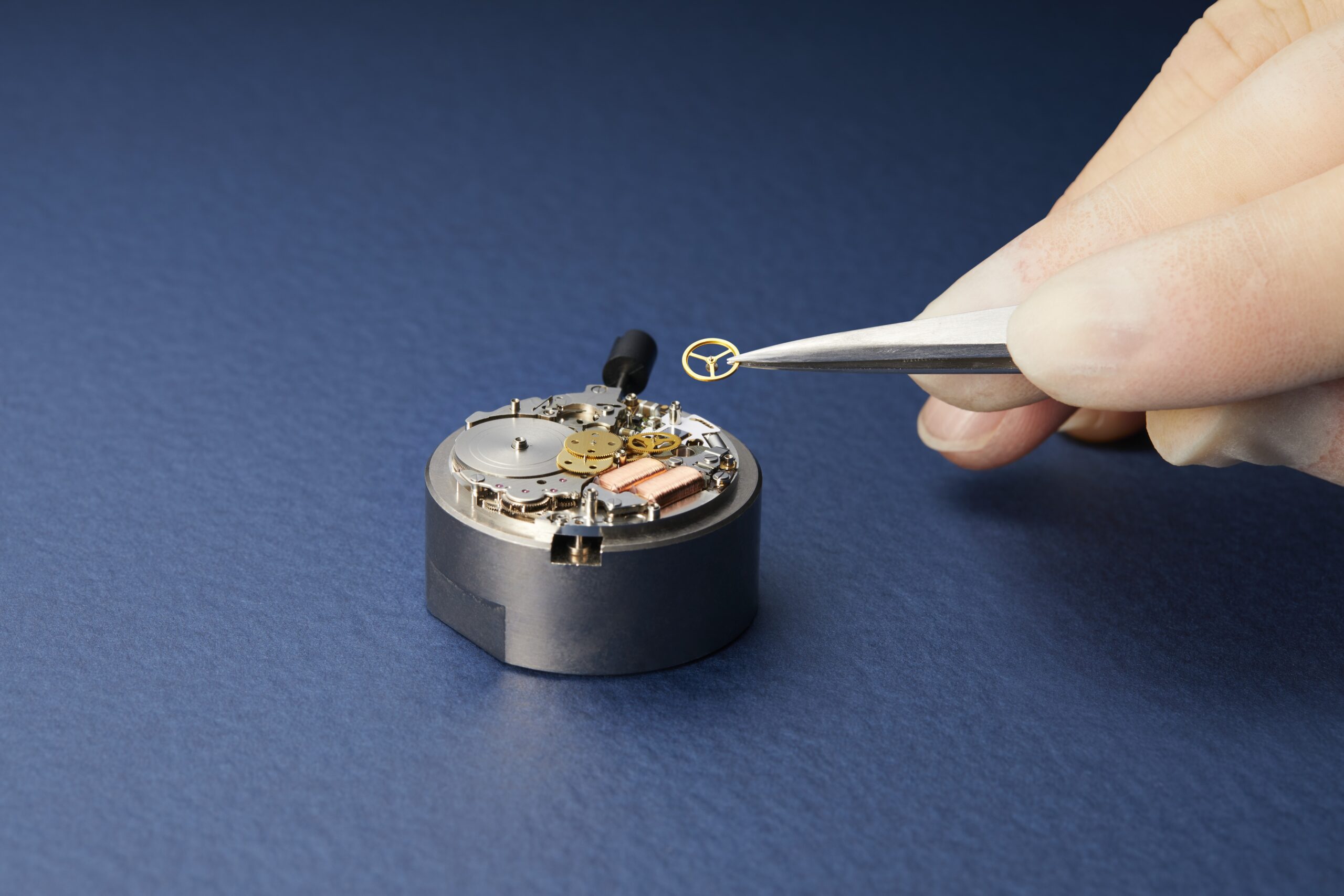
Legend has it that Yoshikazu Akahane first conceived the idea that would become the Spring Drive system as early as 1977, filing the first patent for the concept one year later in 1978. Nowadays, the basic idea of fusing quartz-accurate regulation with the theoretically perpetual longevity of an automatically-wound mechanical calibre seems straightforward enough. But the real genius of the idea crystalises when one appreciates that the technology needed for the concept to be realised wasn’t sufficiently developed at that time. It wasn’t just a new idea. It was an idea so new, it predated the necessary refinement of its constituent parts. For a modern-day comparison, it would be like a Ford employee inventing a new kind of spoiler for a flying car, and having the gall to present it to their superiors as something they should pour time, energy, and resources into developing right now.
The scepticism must have been real, at least in part, because development didn’t begin until 1982. Seventeen years later, in 1999, the first commercial models debuted as limited edition Seiko models (powered by Cal. 7R68) but did not become an official part of the Grand Seiko line-up until 2004 with the Calibre 9R65. That means it took 22 years from concept to commercialisation, and a whopping 27 until it found its permanent home in the GS catalogue.
Akahane had experience working with thermocompensating dual quartz regulators, which had resulted in exceptional accuracy. However, rather than continue mining the pure quartz vein, he turned his attention towards his far-more-ambitious Spring Drive concept. He wanted to fuse mechanical energy with quartz accuracy, and create an “everlasting watch” that did not require a battery.
Even the in-house nickname is intimidating…
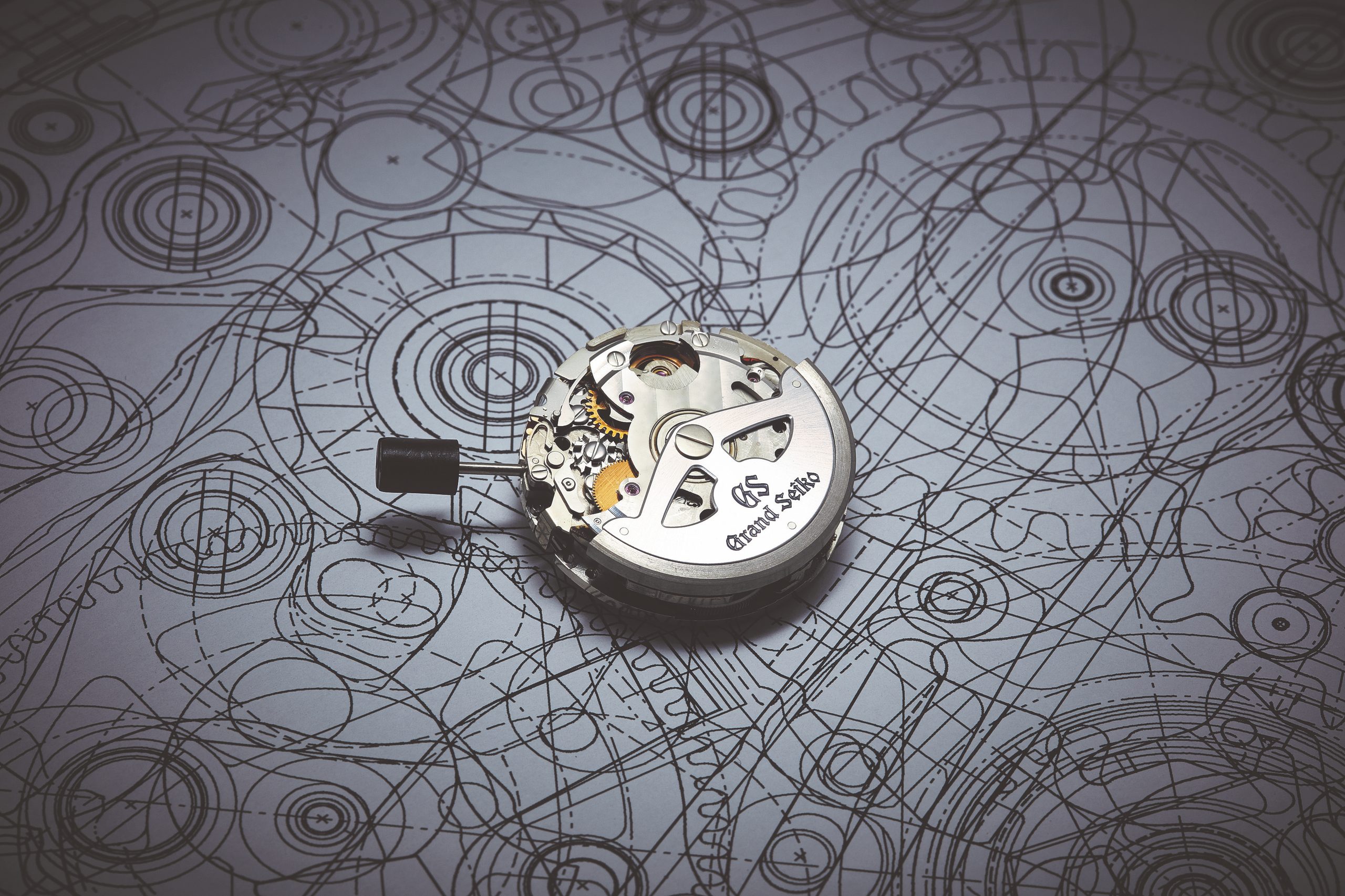
The early prototypes ran into predictable issues. The power reserve was abysmal. The first functioning models ran for around four hours — a long way below the 48-hours Grand Seiko had demanded for commercial viability. The problem was simple in principle but difficult to solve: the small generator powered by the mechanically accrued energy couldn’t provide the necessary juice to run the electronic components.
The development phase must have been maddening for the top brass of Seiko. In 1983, the “everlasting watch” project was abandoned. It was restarted in 1993, when technology had somewhat caught up with the concept, but canned a year later in ’94 with prototypes having consumed roughly five times the power Seiko deemed acceptable.
But Akahane stuck with it. He resurrected the project in 1997. At that point, he convinced his company to dedicate all of their resources to it. The gamble paid off. Two hundred and thirty patents and 600 prototypes later, they had a product that worked. Its remarkable journey from sketch to shelf is maybe best illustrated by a list of technologies developed throughout the process.
Deep breath…
To bring Yoshikazu Akahane’s idea to life, Seiko needed to develop an ultra-low-consumption integrated circuit; an extremely efficient miniature electrical generator; an electromagnetic braking/regulating mechanism; sufficiently efficient gear trains; improved mainsprings and alloys; highly efficient automatic winding and ultimately the control architecture now dubbed the Tri-synchro Regulator.
It was as much electrical engineering as horology – and from a watchmaking perspective, it is, in my opinion, at least, truly singular. So how does it actually work?
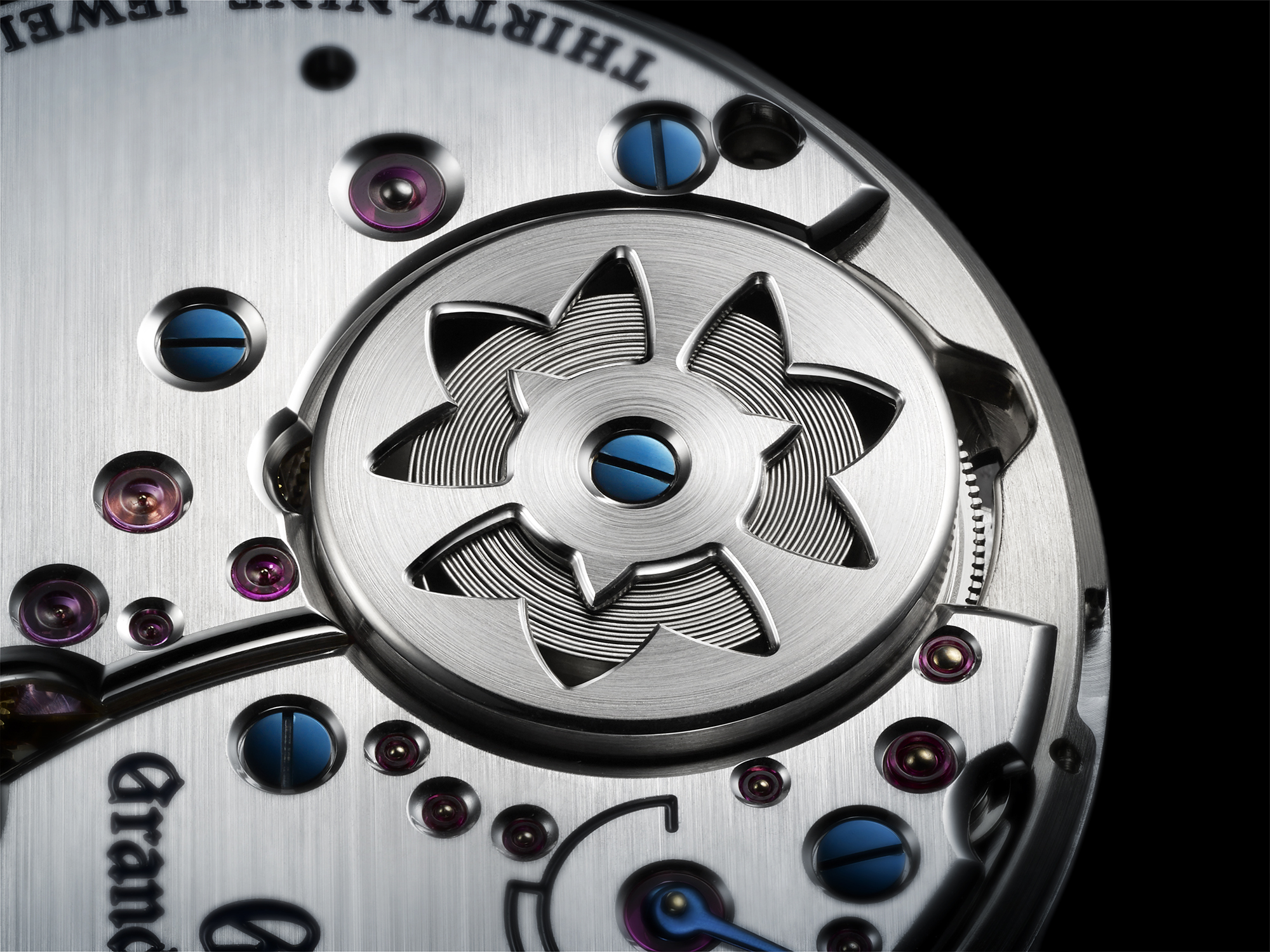
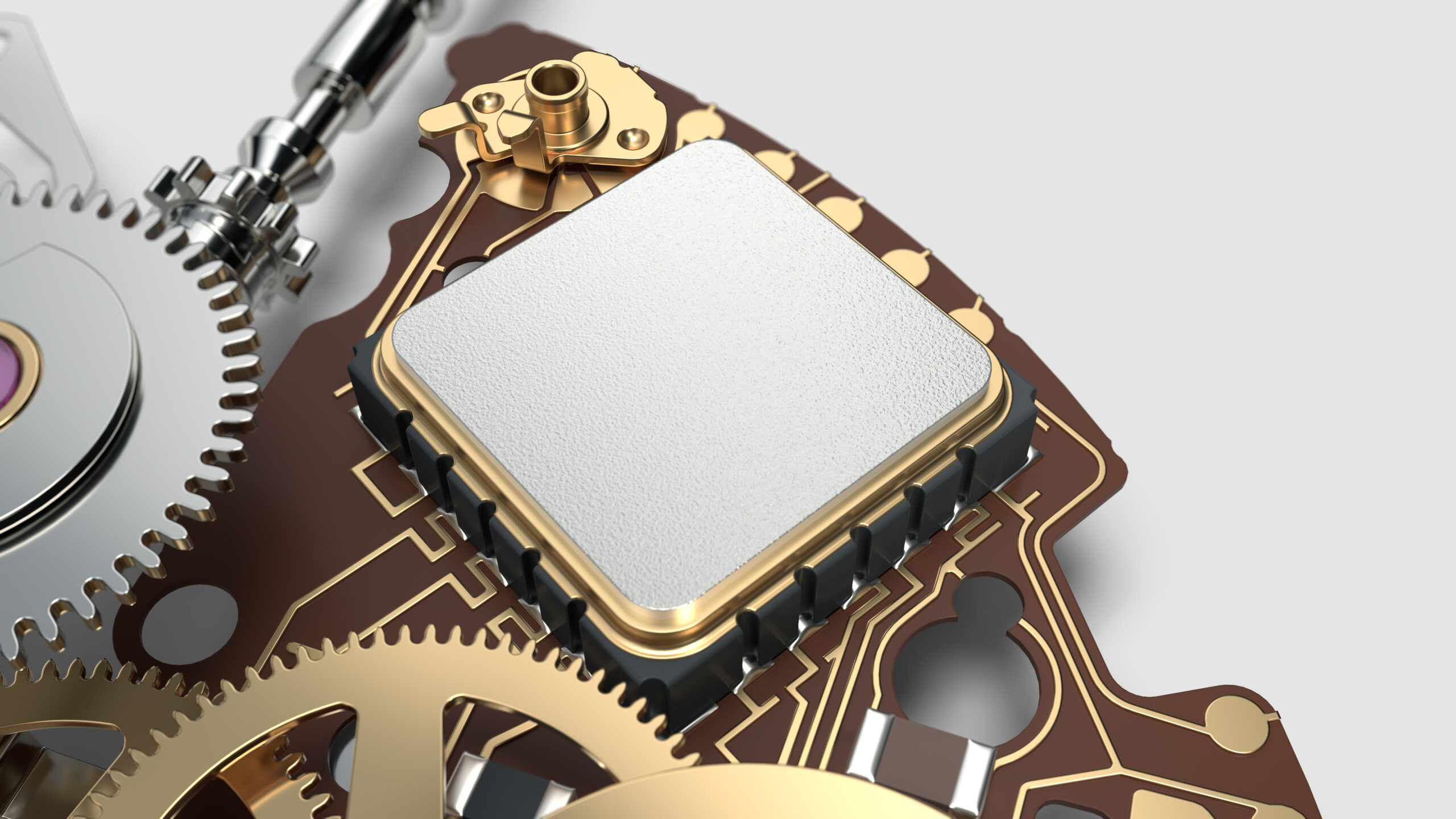
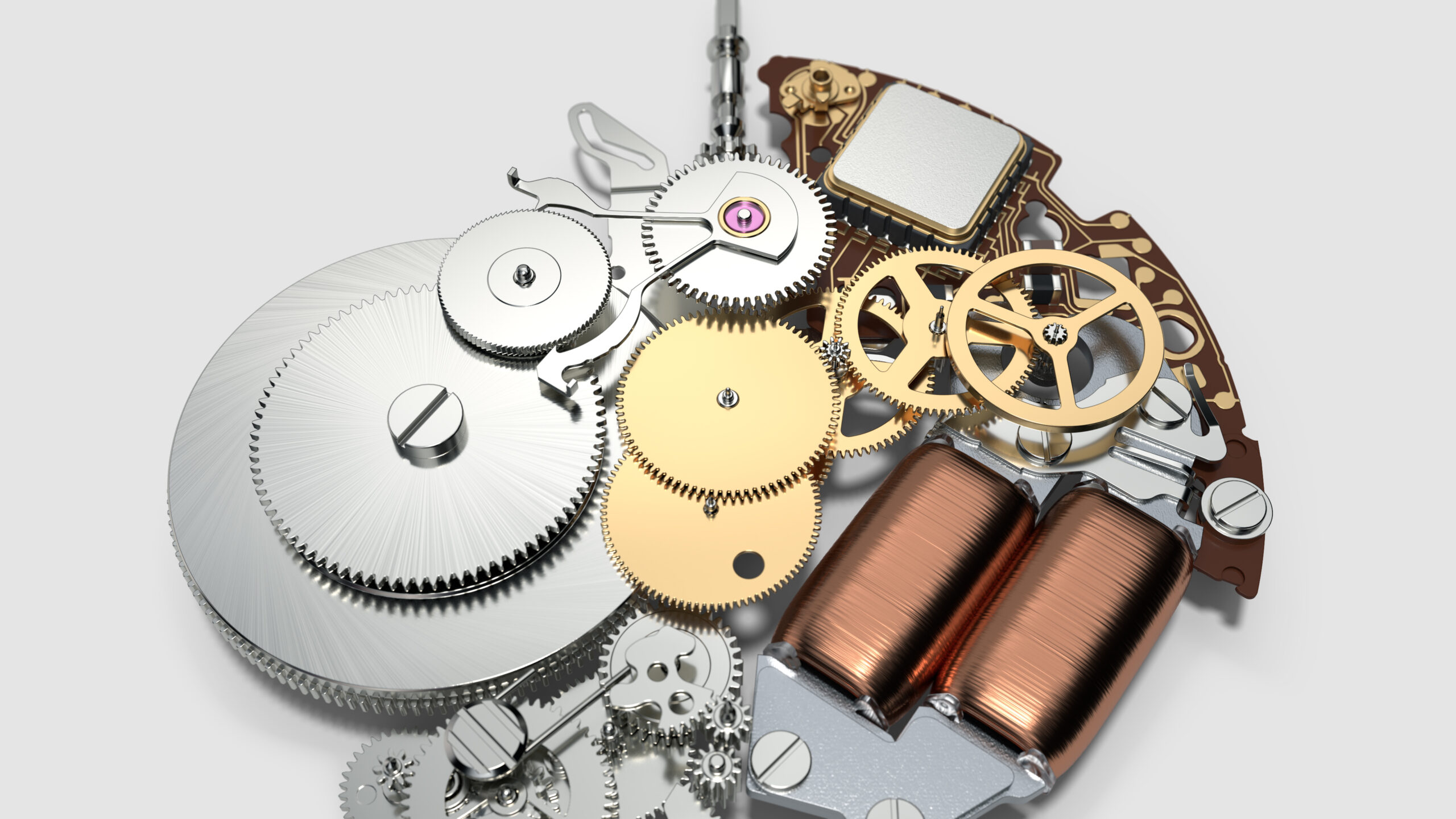
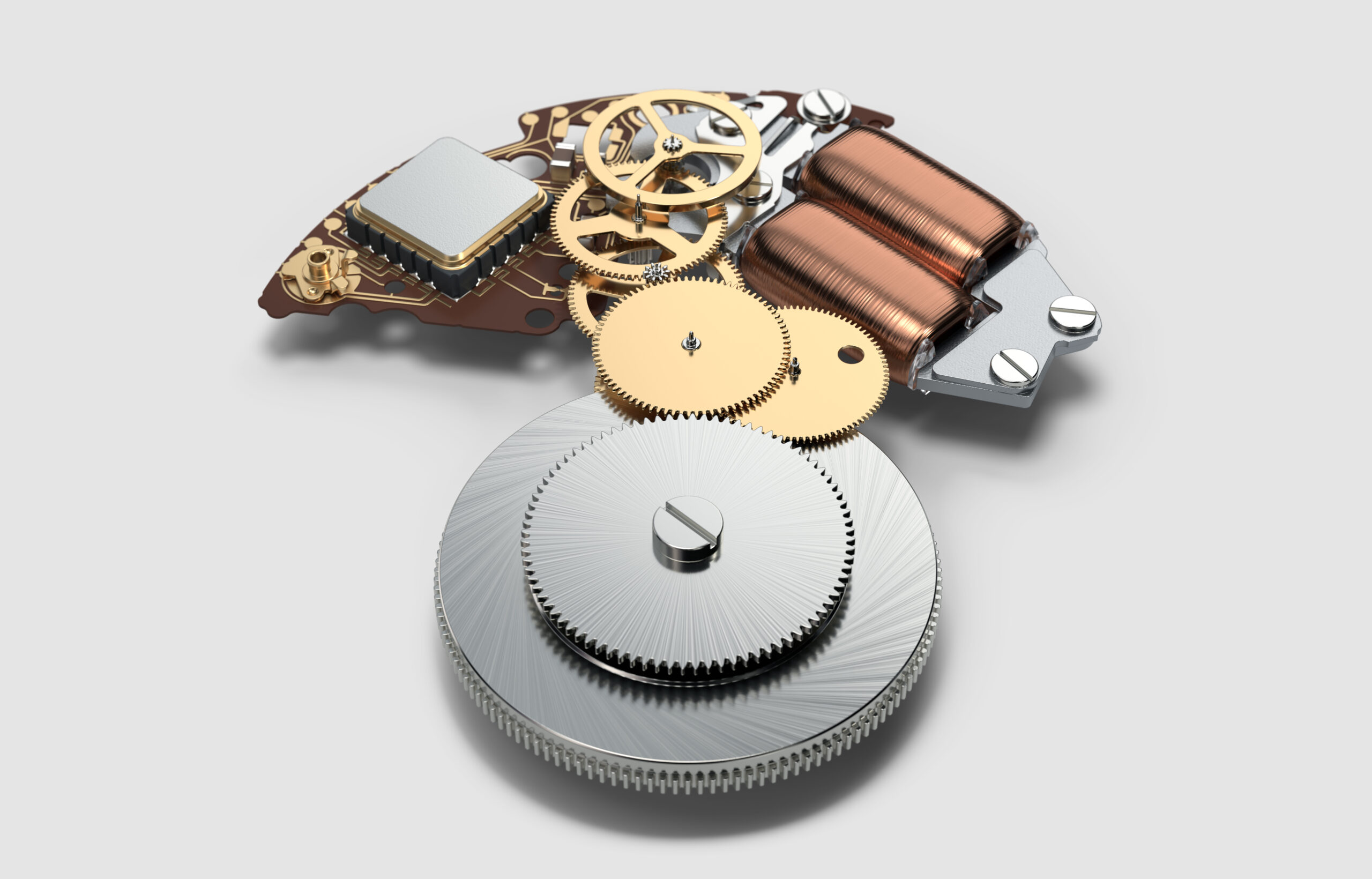
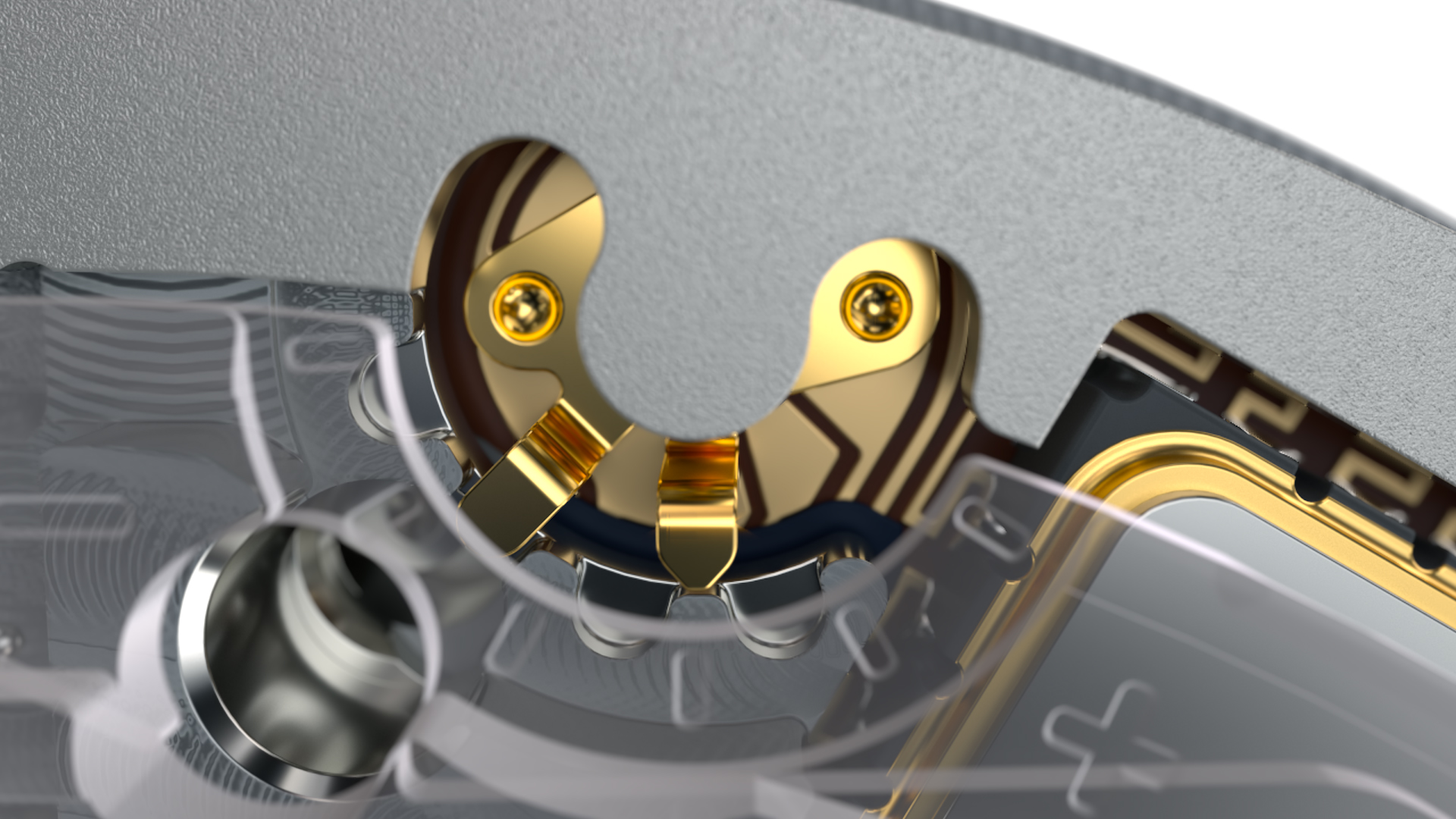
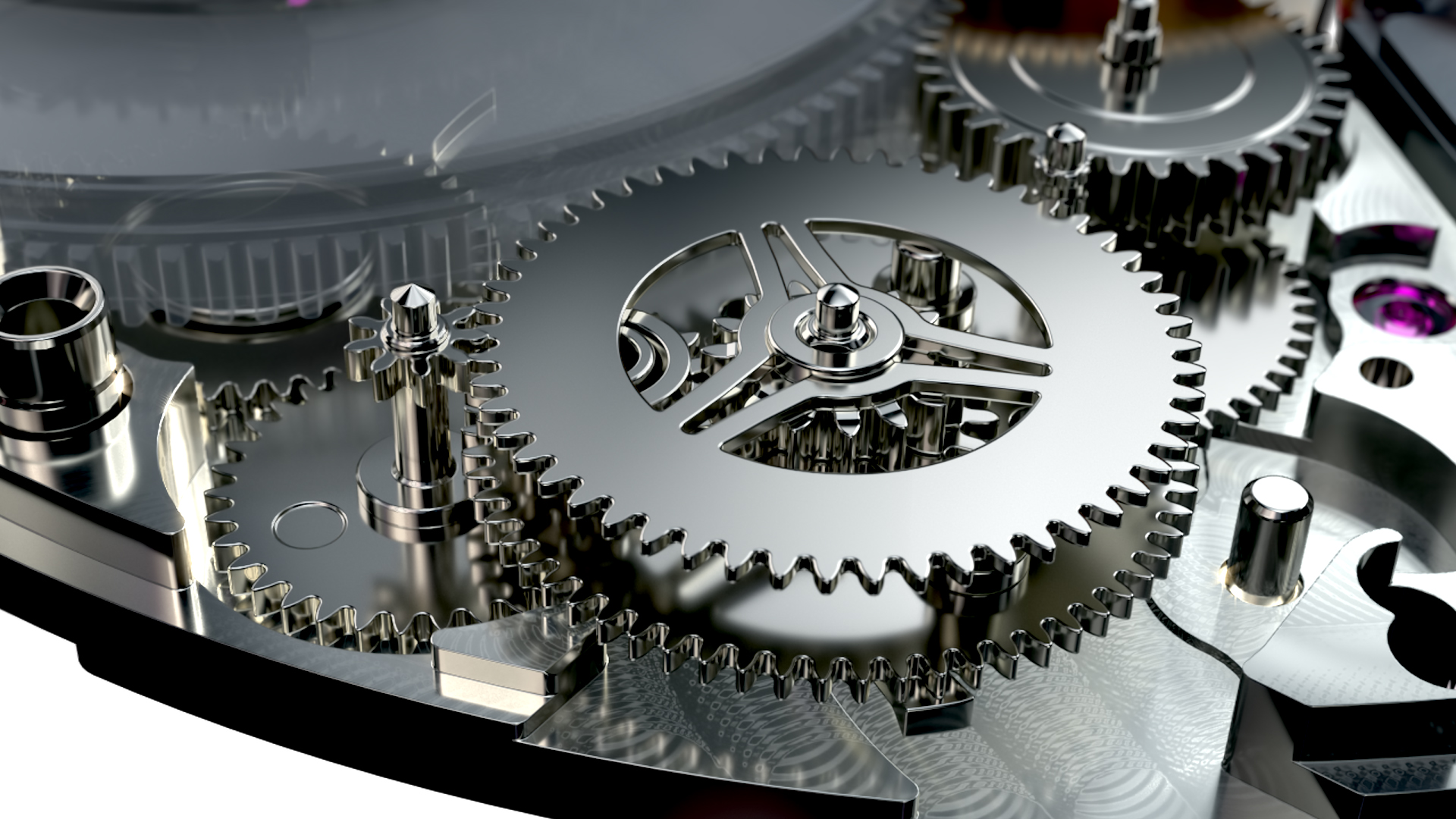
Spring Drive is a hybrid regulating system combining a mechanical mainspring with electronic quartz regulation. Energy from the mainspring drives a glide wheel, whose rotation is controlled by an electromagnetic braking system governed by a quartz oscillator. The system eliminates the traditional escapement and produces a continuous seconds hand motion.
While many high-frequency (36,000 vph and above) mechanical calibres claim to have a “sweeping seconds hand”, only the Grand Seiko Spring Drive actually achieves this.
Even the ultra-high frequency Bulova Precisionist, which ticks 16 times per second (six more than Zenith’s famous 5 Hz El Primero calibre), cannot hold a torch to the unimpeded sweep of the GS Spring Drive seconds hand (although, to the human eye, it comes close).
Funnily enough, the pure glide of the Spring Drive seconds hand was never actually the goal. It is simply a result of the revolutionary movement architecture. Once you know what you’re looking at, its serene sweep becomes even more enticing: it is an appreciable, animated indication that there is no mechanical escapement within the watch, which, by its nature, interrupts the flow of power from the mainspring on its way to the hands.
It is one of those things photographs cannot communicate and video only partially captures. Seeing a Spring Drive seconds hand moving across a dial in person is strangely compelling because it exposes how accustomed we have become to watches breaking time into visible increments.
Spring Drive doesn’t appear to divide time at all.
It simply shows its passing.
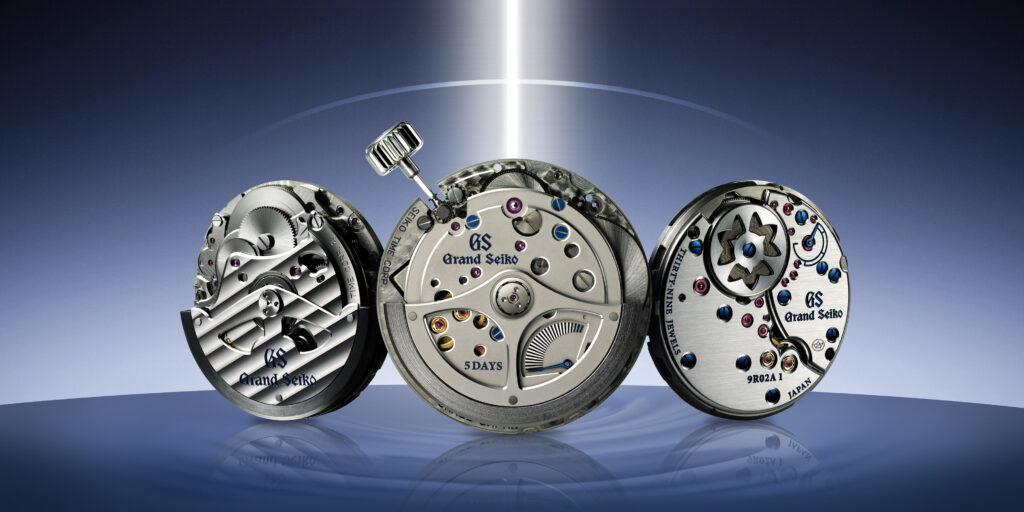
Although Grand Seiko itself uses the term “hybrid” to describe the Spring Drive’s regulation system, I’m not sure it does the achievement justice. It is a technically useful term but emotionally inadequate. “Hybrid” makes it sound like a compromise: half one thing, half another. Spring Drive is anything but. It takes the energy source and physical architecture of a mechanical watch and combines them with an electronic regulating system of astonishing precision. The result is not a halfway house. It is its own thing.
And it is truly brilliant.
You may own a Grand Seiko that is not a Spring Drive. There’s no shame in that. The brand’s case finishing is second to none, and its high-beat calibers are themselves some of the most highly regarded in the industry. But I’d wager that the fact Grand Seiko makes the Spring Drive added to the brand’s cachet in your mind before you put your money down on something else (for whatever reason).
It’s been my favourite type of calibre for years. In fact, it’s maybe the only watch in the price point at which I normally buy that I would purchase because of its movement above all else. As far as genuine horological innovations go, it is, for me, the most exciting one that is (at least comparatively) accessibly priced.
Yes, like in all things the RRP is creeping up rather faster than I would like. But compared it to what else is out there. At under five figures, the very best you could hope for from another brand distinguishing their movement is limited hand finishing, or perhaps a really cool aesthetic, most likely achieved with a modern machining process, by the brand itself or a partner producing proprietary components.
The Spring Drive offers not just one of the best chronometric performances in the watch world, but a genuinely unique slice of inspired watchmaking magic. It doesn’t need a complication to wow collectors; it doesn’t need excessive finishing. All it needs to do is exist – and the fact that it does is a watchmaking miracle.