
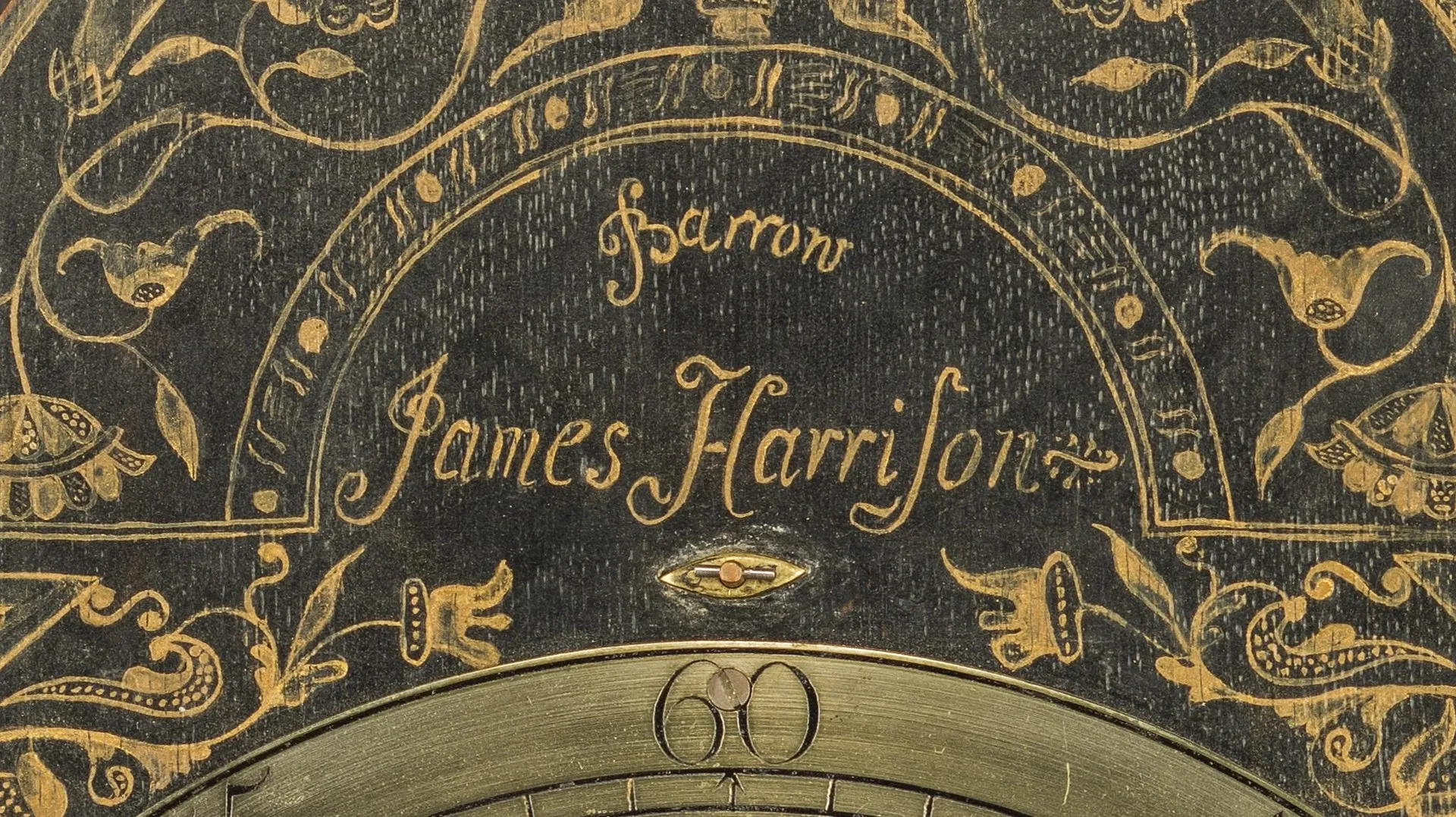
Solving the Longitude problem wasn’t the only issue John Harrison faced in the creation of his legendary marine chronometers
If you ever watch to test a watch geek’s level of pedantry – ask them who won the ‘Longitude Prize’. Many will leap to answer ‘John Harrison’, but this is not correct. Yes, Harrison was awarded various sums by the Government, both to fund his research and development, and to recognise his achievement, and yes, the total of these payments exceeded the £20,000 offered for the solution to navigation’s most intractable problem, but he did not win the prize. Much has been written about the clocks and watch that Harrison did produce, but here we will consider the broader context of the longitude problem and Harrison’s efforts to solve them.
The Longitude Act of 1714 codified the challenge and the degree of accuracy that Parliament felt was necessary to ensure safety at sea, but the issue of longitude had existed from the first sea voyages that ventured out of sight of land and solutions had been considered up to 200 years previously.
Astronomers and Horologists have always had an uneasy relationship. While they eventually became rivals regarding the discovery of longitude, they also relied on each other. Astronomers often needed to time the movement of the moon, a planet or star, and so needed accurate clocks for this purpose. Many of these detailed observations and the mathematics associated with them were for the development of accurate sundials, the ultimate reference point for the Horologists to set their clocks and watches by. John Flamsteed, the first Astronomer Royal and founder of the Royal Greenwich Observatory began his studies as a sundial maker. Indeed, it was not until 1967 that the link was finally broken between our measurement of time and the movement of our planet. Before this point, a second was 1/86400th of the mean solar day. After 1967 it became ‘the duration of exactly 9,192,631,770 periods of the radiation corresponding to the transition between the two hyperfine levels of the ground state of the caesium-133 atom’.
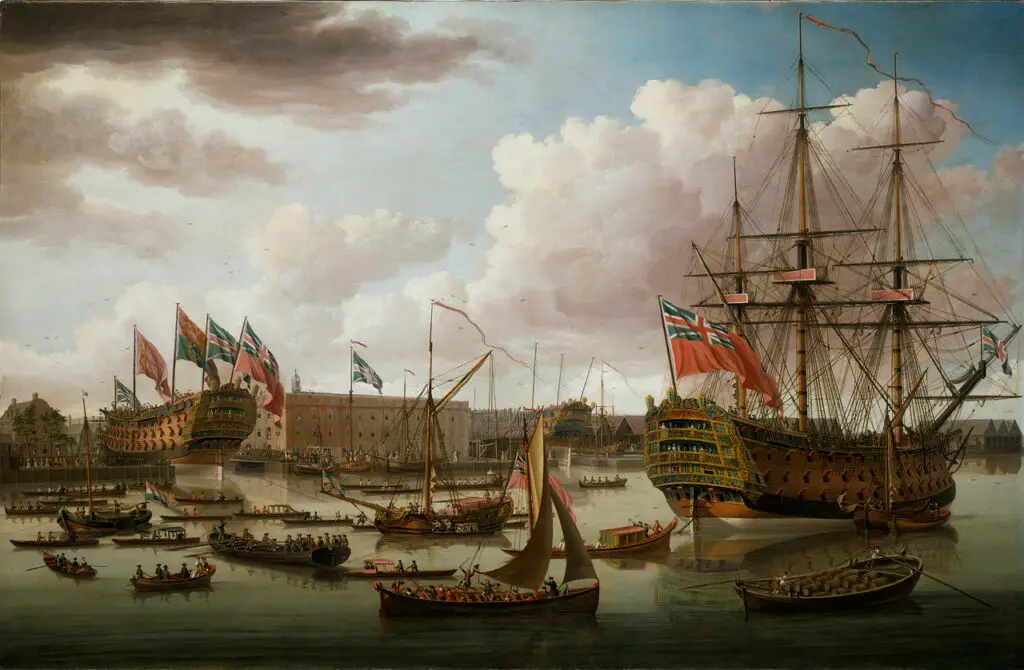
It is no surprise that the two disciplines of Horology and Astronomy developed in tandem and convergence. Detailed observations of the heavens began in the 16th Century with the work of Copernicus, Tycho Brahe, and Galileo, the latter’s work on pendulums directly influencing clockmakers of the time. Not all astronomers were convinced that the answer lay in the stars. As early as 1530, Gemma Frisius, a Dutch mathematician suggested that a clock might solve the longitude problem. Unfortunately, this was speculative optimism as the clocks of the time were neither accurate nor shock protected enough to endure any kind of voyage, let alone a seagoing one.
Given that latitude was determined by observation of the sun’s angle and the subsequent consultation of astronomical tables, this approach had a headstart in the minds of navigators, this was amplified by the centuries-old use of the star Polaris and the Southern Cross constellation for direction finding. As the use of telescopes increased, so did the quality and quality of observations, with Flamsteed eventually producing a catalogue of almost three thousand stars. His base at Greenwich Observatory was funded by Charles II at the behest of his mistress Louise de Kérouaille, Duchess of Portsmouth, initially to investigate a method of finding longitude based on the position of the moon, but eventually his Royal Warrant defined his task as: ‘Rectifieing the Tables of the motions of the Heavens, and the places of the fixed stars, so as to find out the so much desired Longitude of places for Perfecteing the Art of Navigation’.
Flamsteed and his fellow Royal Society members considered themselves as ‘Natural Philosophers’ whose interests ranged from mathematics, and astronomy, to chemistry and alchemy. Even when their work directly impacted horology such as the development of the balance spring by Hooke and Huygens, they still believed they were working on a higher plane than mere ‘Craftsmen’. Incidentally, in 1660 Huygens built two pendulum clocks that he tested as marine timepieces a century before Harrison, and on a 1664 voyage to Cape Verde found that they tracked longitude with surprising accuracy, so long as the sea was calm.
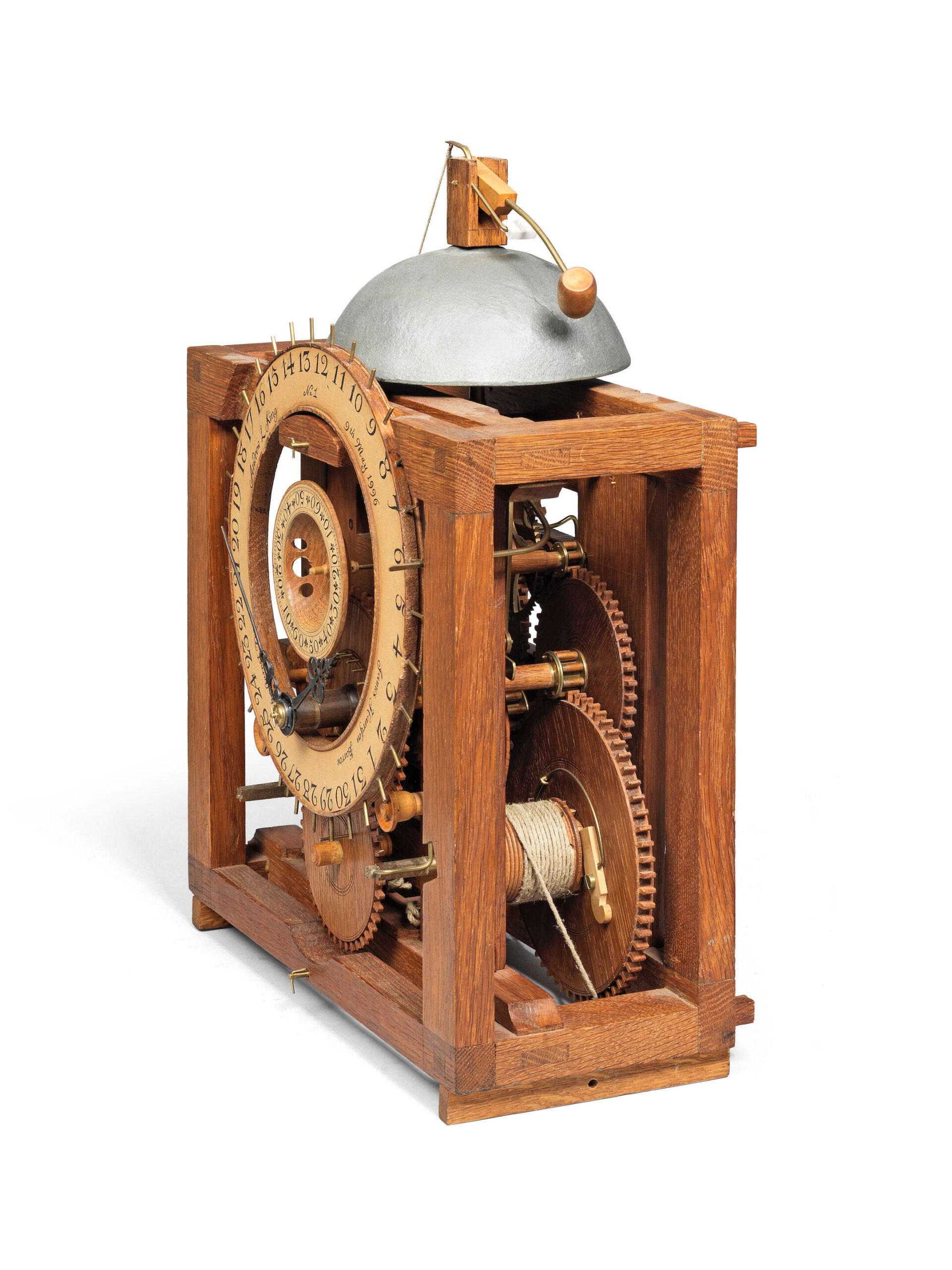
It was into this landscape, in 1730, that John Harrison entered. A Yorkshire-based carpenter by trade, he embodied the term Craftsman, although one with a preternatural understanding of his chosen material. Analysis of his early wooden clocks shows a remarkable use of the various properties of both fast and slow-growing oak to ensure the strength of his gear teeth and the lightness of the wheels. His implementation of lignum vitae, a tropical hardwood that exudes its own lubricant would pre-date the use of Delrin plastics in watches by almost 250 years.
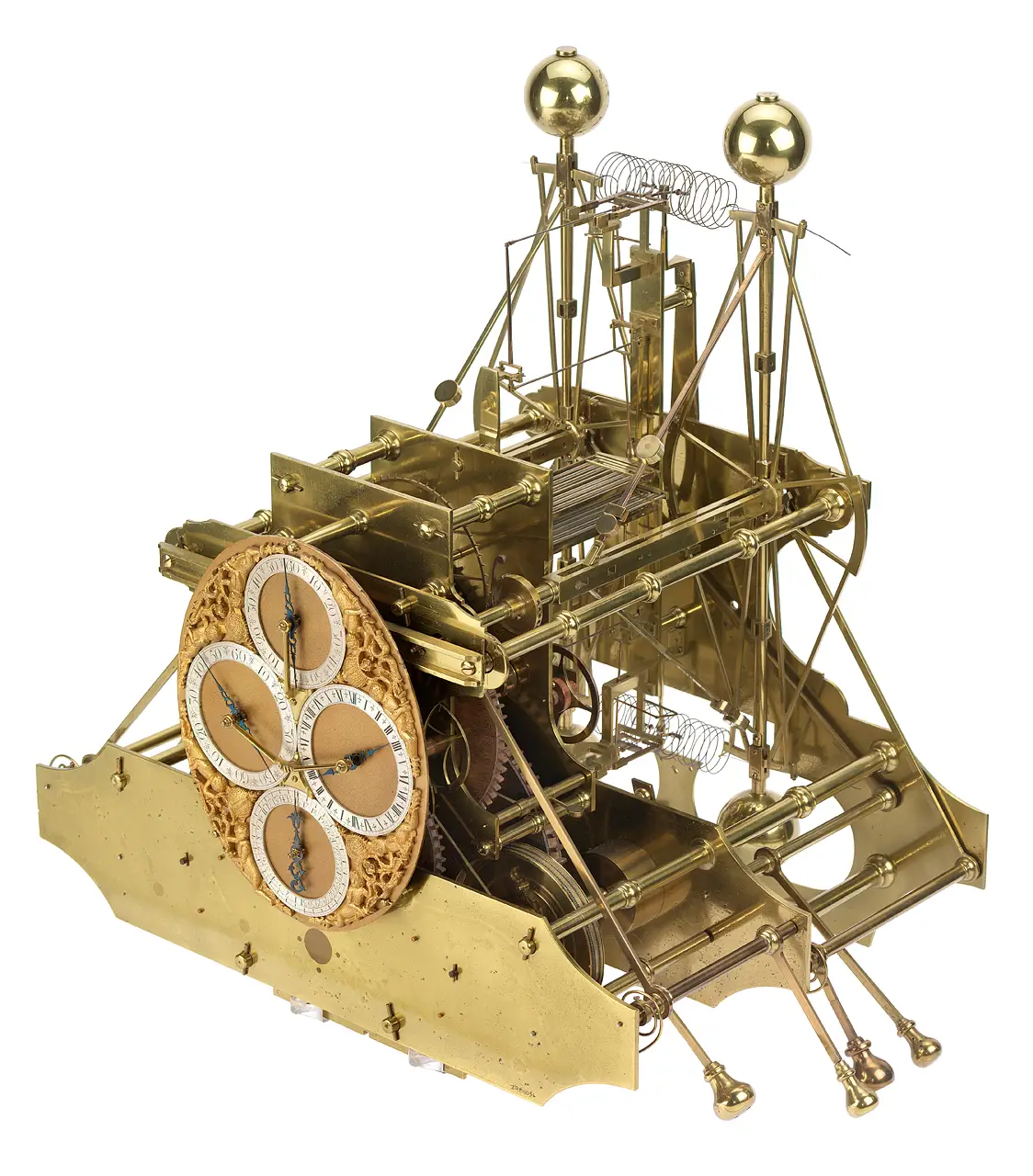
The legend suggests that Harrison was met with hostility by the London-based Natural Philosophers, but this is untrue. He was welcomed graciously by Edmund Halley, the second Astronomer Royal. The only reason he referred Harrison elsewhere is because he felt ill-equipped to judge H1, the clock design that Harrison has brought with him and so suggested that George Graham, the watch and scientific instrument maker and fellow member of the Royal Society. Graham encouraged Harrison and sent him home with a generous loan of money to fund the building of the clock.
Five years later, Harrison returned to London with a completed H1. Graham presented Harrison and his clock to the Royal Society, and despite their obsession with the heavens, the clock received an enthusiastically positive response. With the Admiralty taking it’s time to arrange a formal transatlantic test of H1, a shorter trip to Lisbon and back was proposed. Despite rough seas, the clock performed well, even correcting a sixty-mile navigational error by the ship’s master. The stage was set for a trip to the West Indies and collection of the £20,000 prize. Harrison, however, was not happy. He thought he could improve on H1 and so asked for funding for a further two years of development, which the Board of Longitude happily granted him.
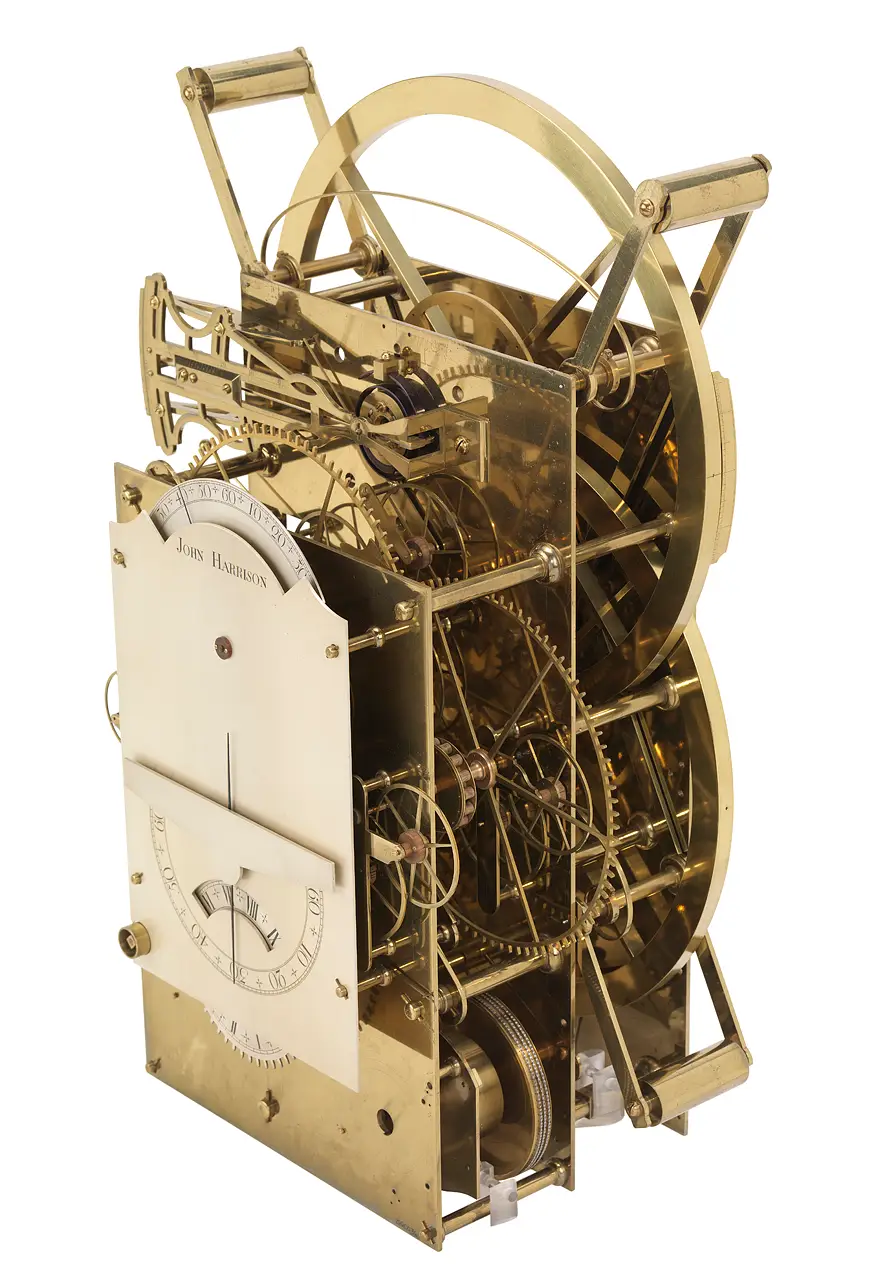
Four years later, Harrison presented H2 to the Board of Longitude, although ‘presented’ is too strong a word. H2 never went to sea as Harrison was already claiming it was not good enough and that he could do better. This is despite the astronomically inclined Royal Society giving H2 a glowing report, and suggesting that, if trialled, it would exceed the standard demanded by the Board of Longitude.
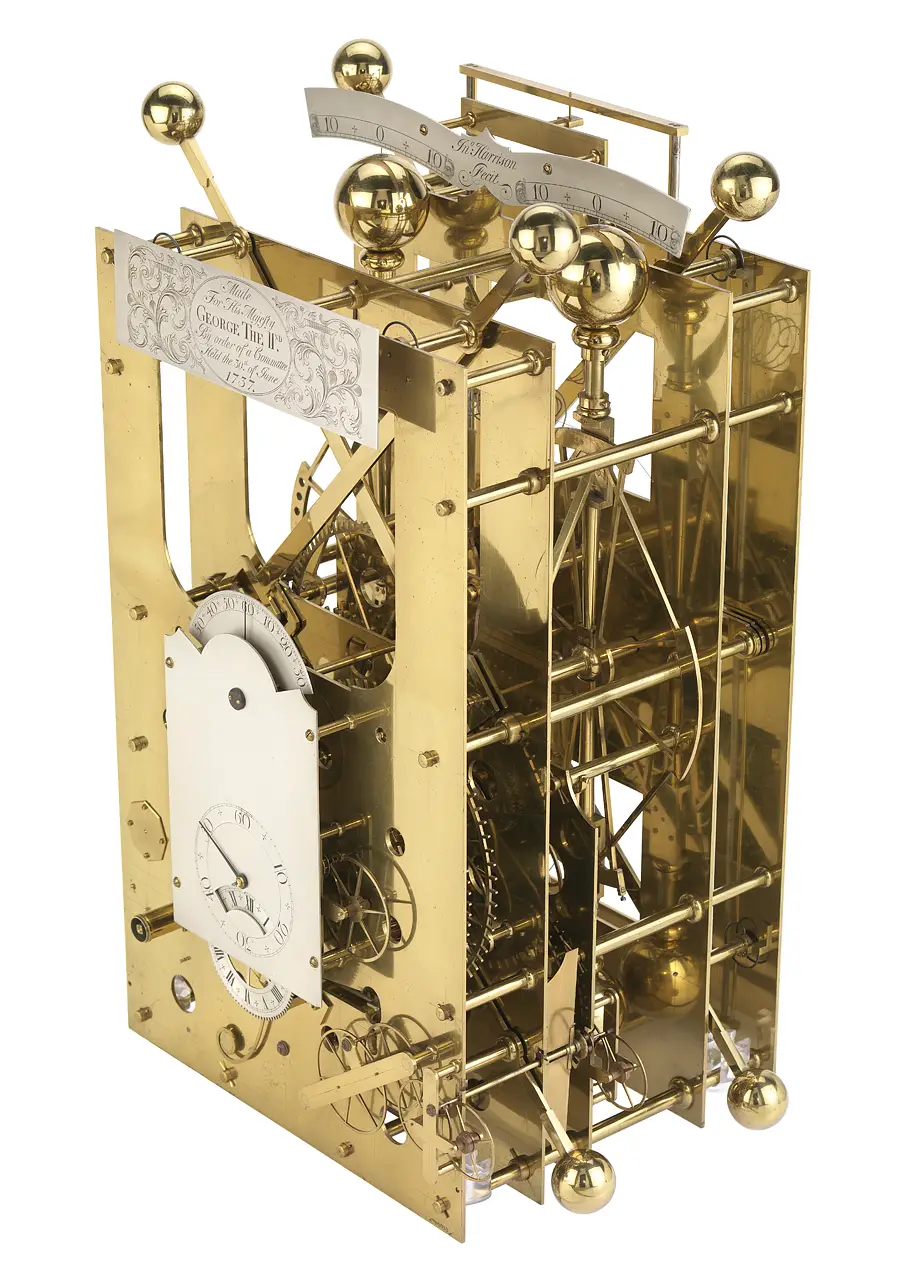
It was not another four years, but closer to twenty, before Harrison emerged with H3 and then, in the following year of 1760 the pocket-watch style H4. This twenty-year gap is a telling detail. Had he allowed the full sea trial of either H1 or H2, Harrison might have pocketed the £20,000 prize and taken the glory. He could then have spent the following years refining his timepieces along a similar trajectory. Either his pride, or obsession lost him twenty years and propelled him into a period of political turmoil. With the passing of years, Harrison’s H1 and 2 seemed more like flukes than prototypes.
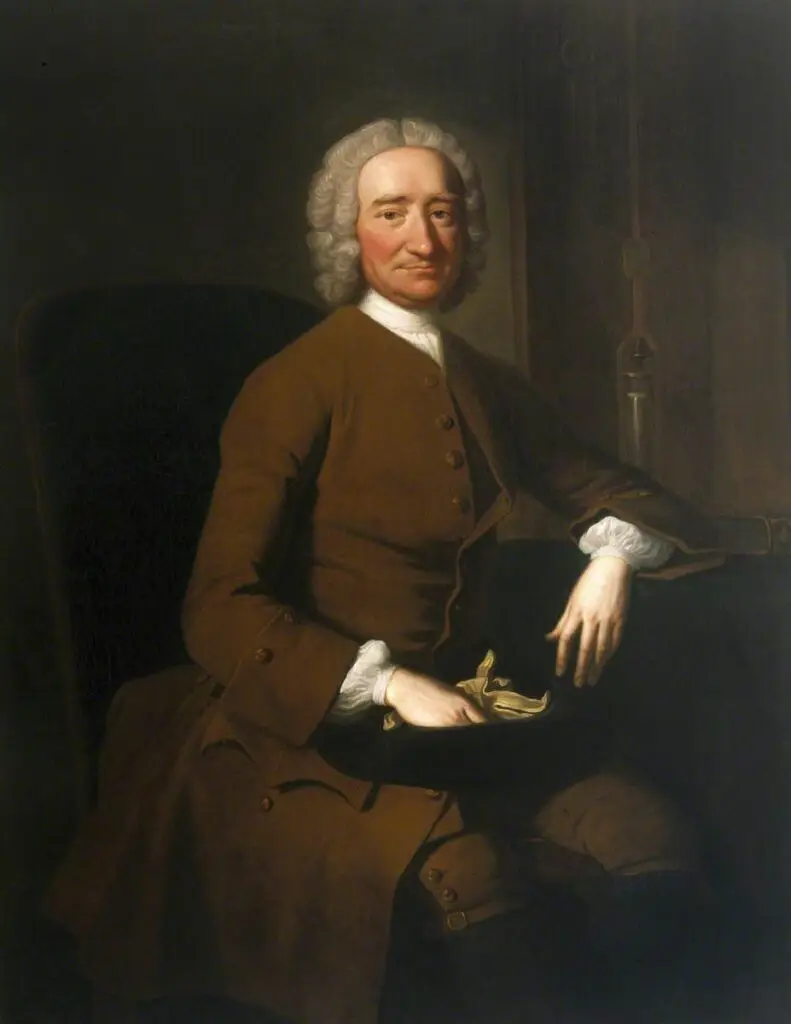
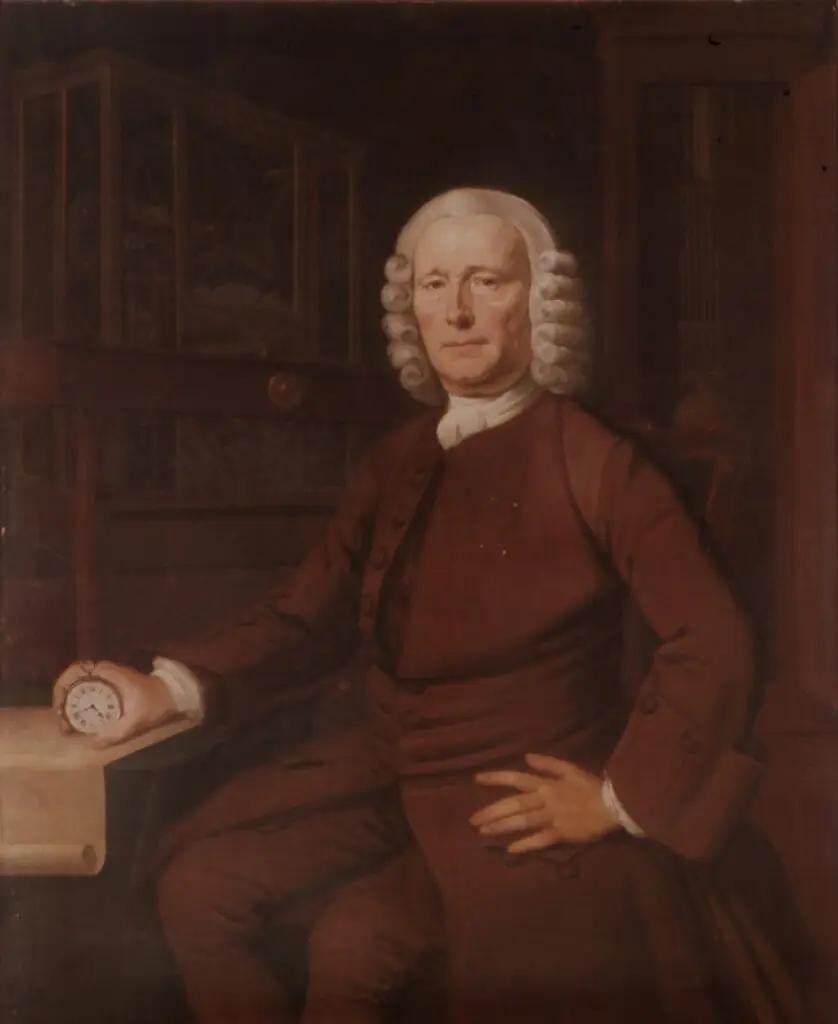
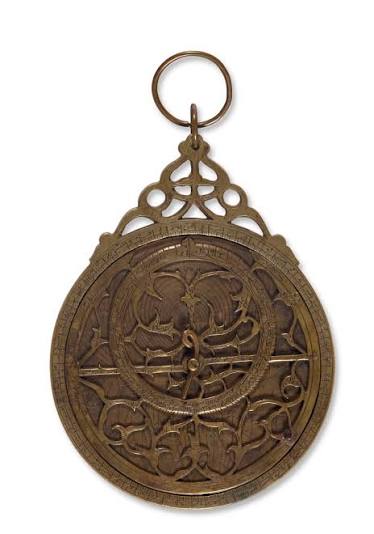
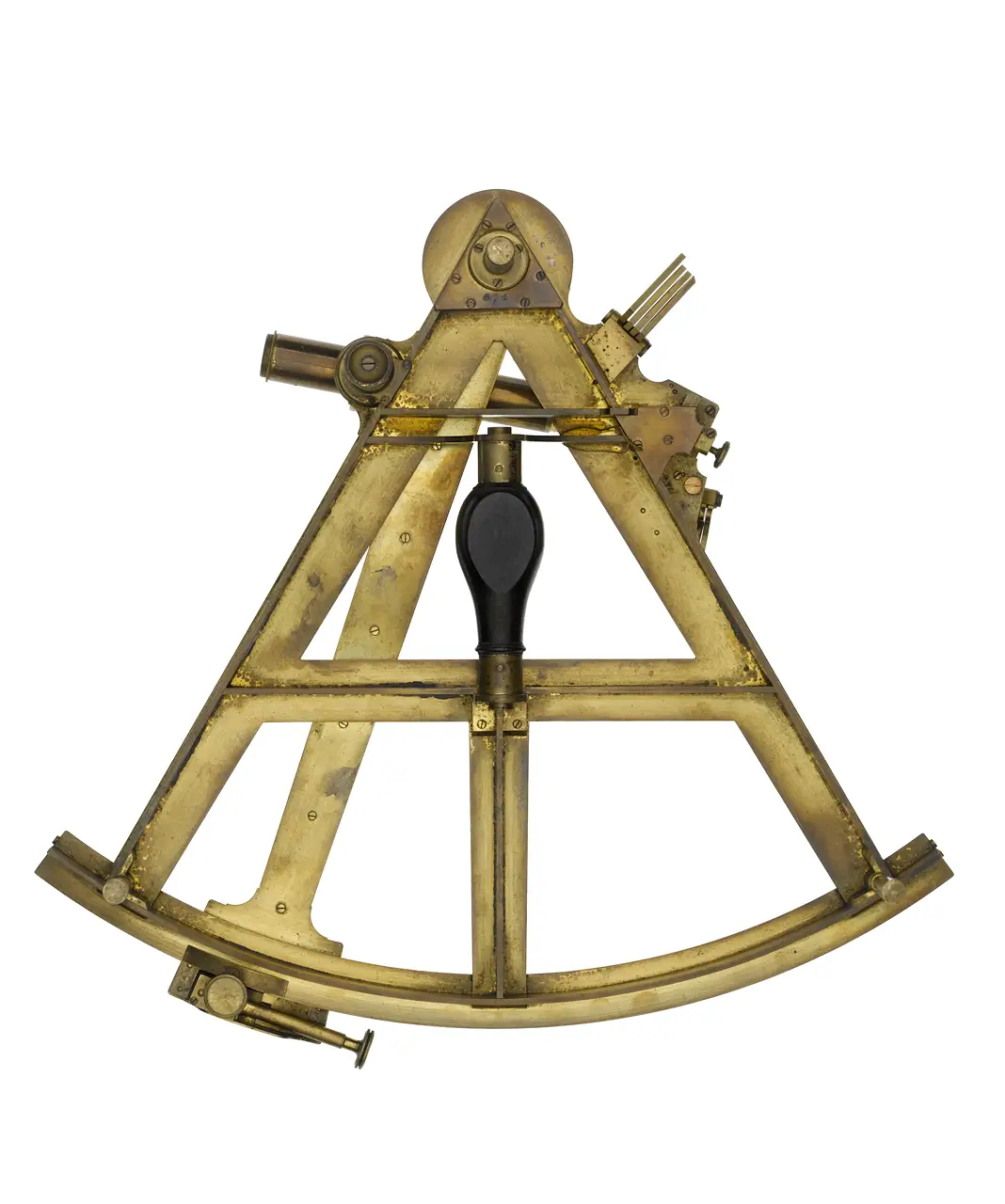
Astronomy had not stood still, and in the absence of a horological longitude solution, the compilation of data on the movement of the moon and stars seemed a safer bet. This was backed by the development of better observational equipment. The astrolabe and the cross-staff had long been superseded by the backstaff, quadrant and finally the sextant. The last two could be used for finding latitude but also for measuring lunar distances – a key stage in the astronomical method of determining longitude. The final problem caused by the twenty-year gap was the change in personnel. Harrison still had his supporters in the Royal Society, even if they had been working on the ‘Lunar Method’ at the same time, but other figures had risen to prominence who were less kindly disposed to the horological solution.
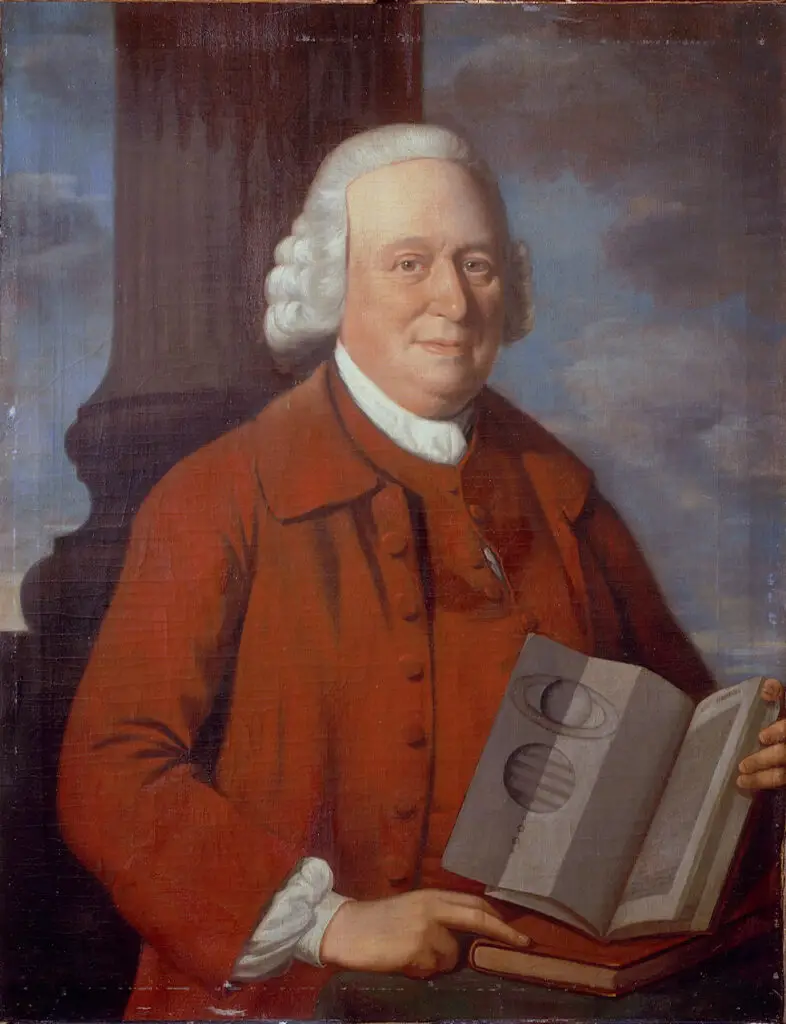
Nevil Maskelyne is often cited as the villain of the longitude story. An astronomer to the Royal Society, he worked on the Lunar Distance Method, producing a book of tables and calculations in 1763 that formed ‘The British Mariners Guide’. Eventually he succeeded to the position of Astronomer Royal, becoming a Commissioner of Longitude at the same time. He has had his impartiality questioned, but this may be an unfair byproduct of painting Harrison as an unappreciated martyr. Maskelyne had devoted much of his life to the astronomical solution and yet when H4 outperformed the lunar method on the 1763 voyage to Barbados, he reported the results in a straightforward manner resulting in Harrison receiving half of the prize money.
It was after the successful Barbados trial that the quibbling began. The lunar method was not abandoned, despite the success of H4, the argument being that such a new technology as a chronometer watch needed some form of regular independent monitoring system, and the moon (now predictable in its position) was less susceptible to catastrophic failure than a timepiece. The second issue was one of repeatability. One watch was not a solution on its own, a new technology capable of mass production was needed. The moon and a sextant were available to all navigators and Maskelyne could print as many Mariner’s Guides as were required. It is notable that even after Harrison’s death and the profusion of chronometers from Arnold and others, their cost was often prohibitively high and so poorer sailors still used astronomy for their navigation.
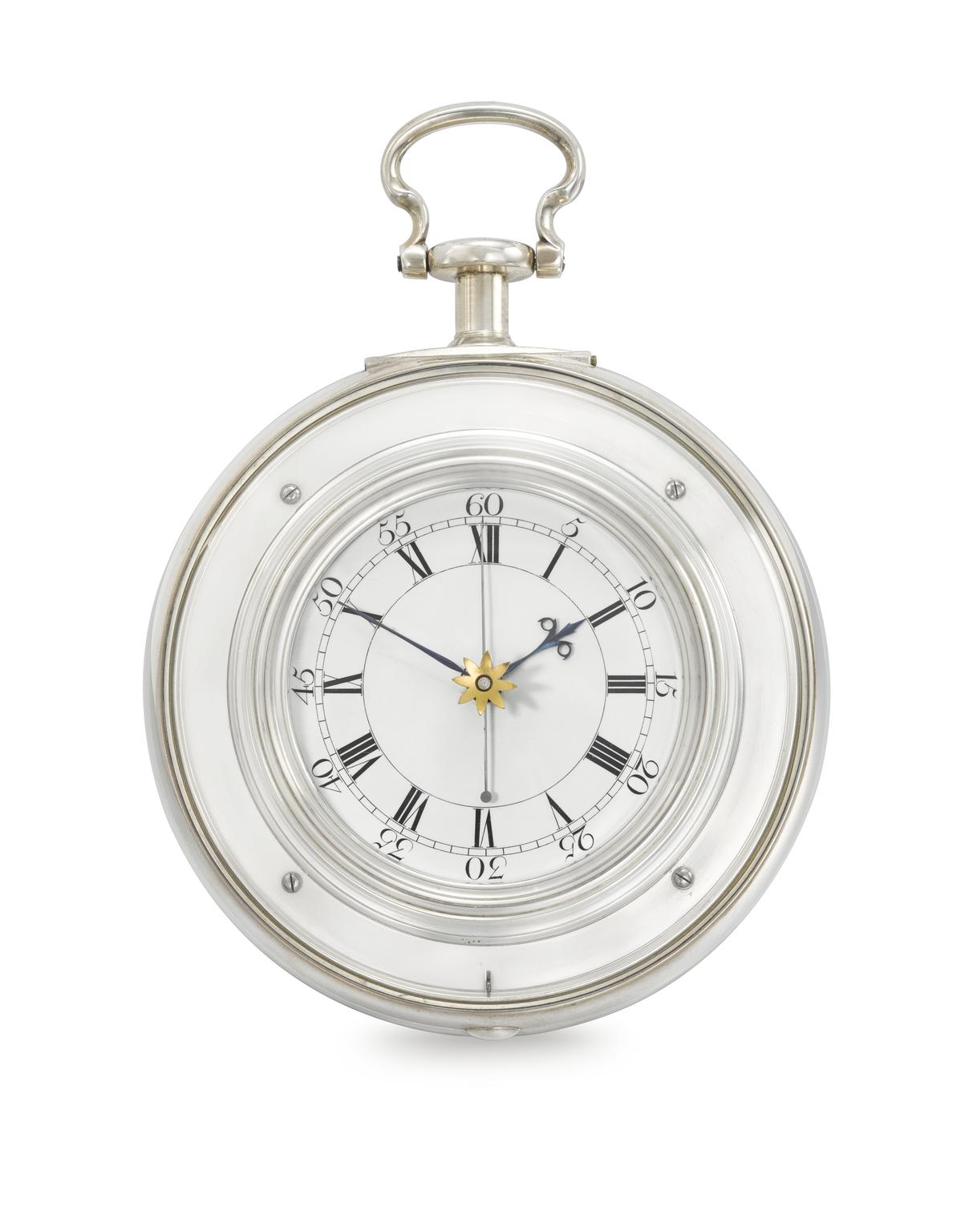
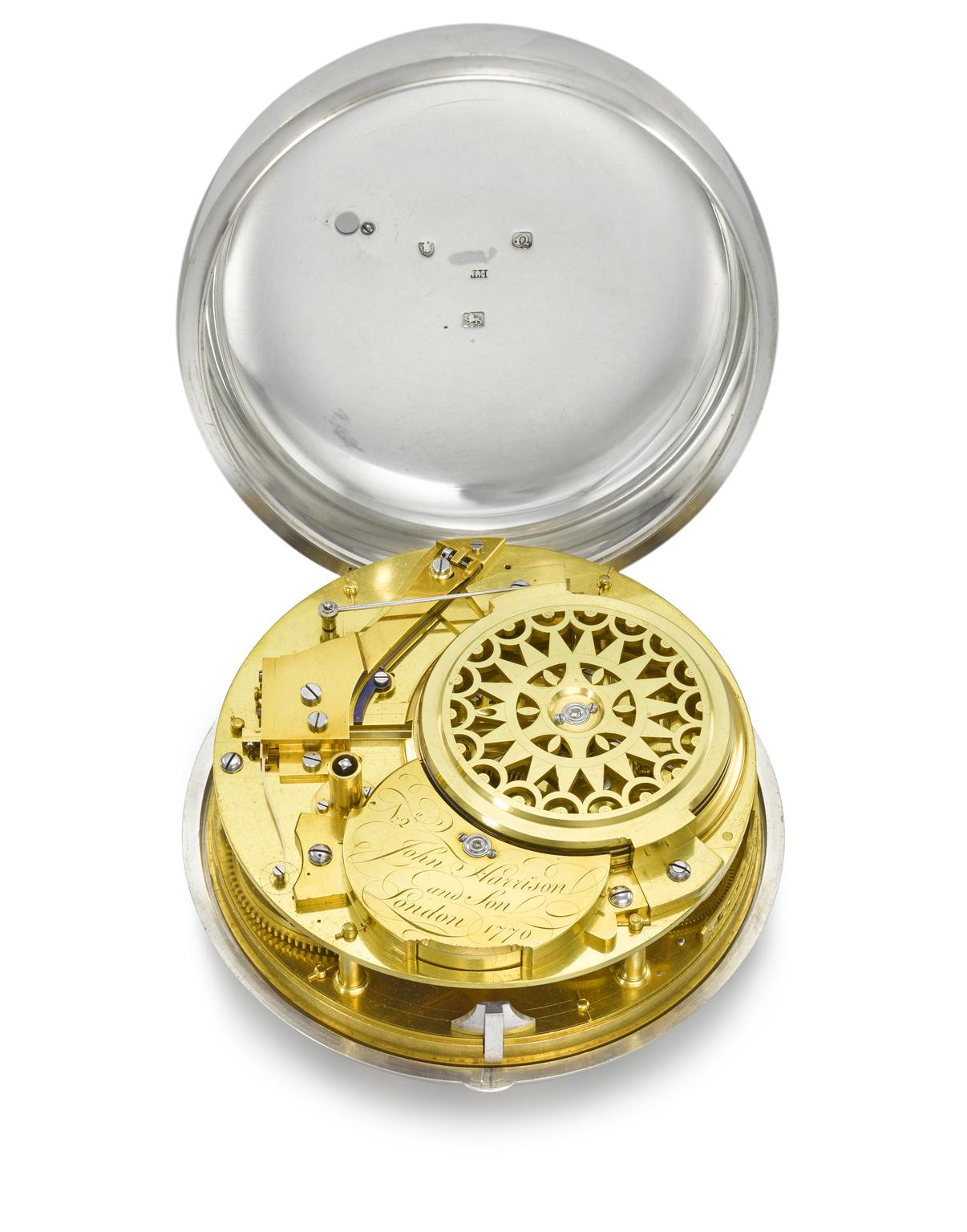
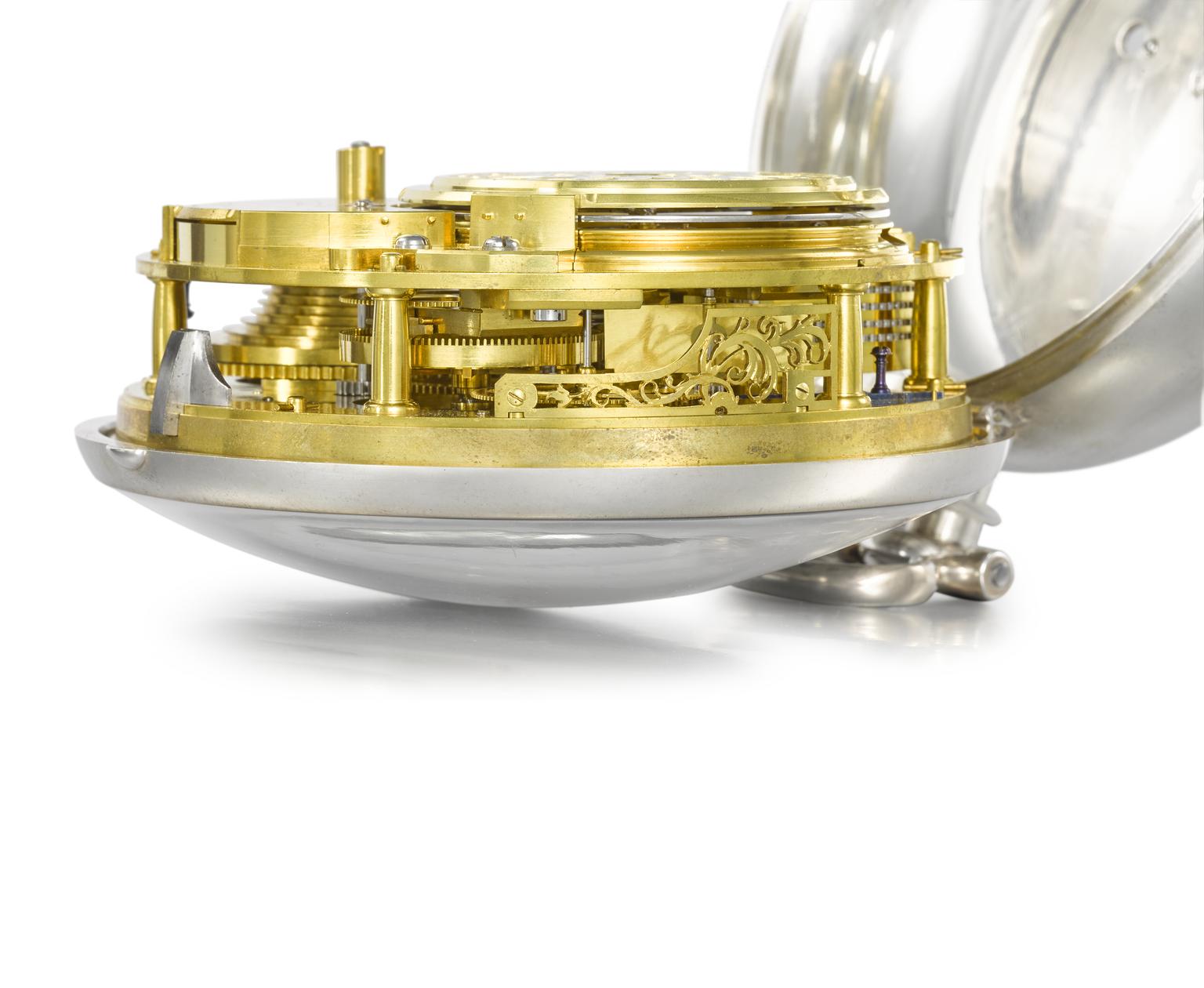
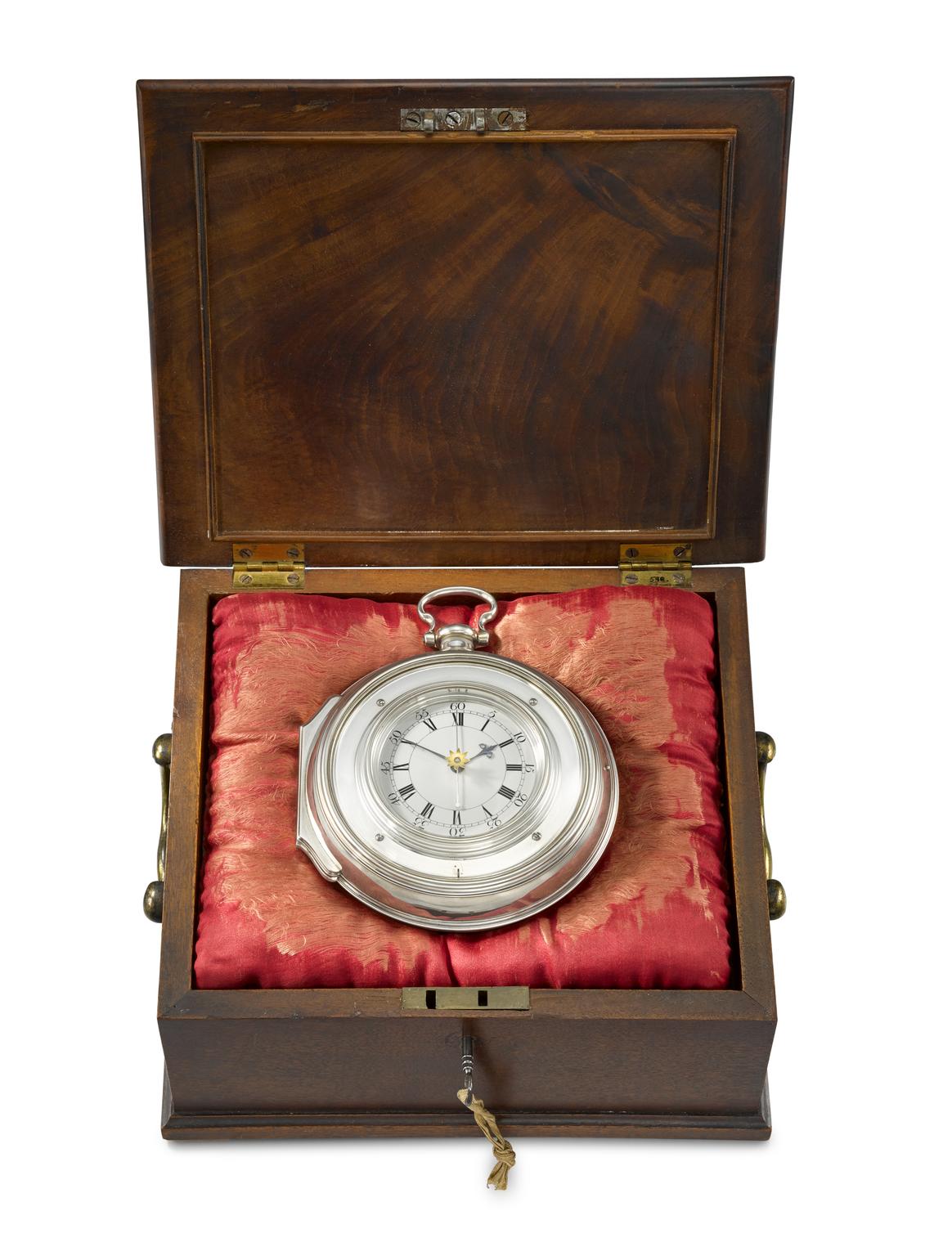
As time dragged on, the intransigence of the two main characters brought matters to a head. Maskelyne seemed to want to test H4 to the point of destruction and at the same time demand the plans to allow anyone to copy Harrison’s precious research. Eventually Harrison appealed to King George III, who tested the latest version, H5, himself. Satisfied that it was sufficiently accurate, the King told Harrison to petition Parliament again, with the threat of his own intervention should they not come up with the cash.
Harrison received a final £8750 for his achievements, bringing his total remuneration to £23,065 – well in excess of the prize money figure, but he never received the accolade. One of the most crucial differences between the two methods, and a reason for the antagonism to the horological solution amongst less enlightened minds was its ease of use. In his depositions, Nevil Maskelyne cited the reports from four Captains from the East India Company who, using lunar observations and The British Mariner’s Guide, could compute their longitude in a little as four hours. The tables are impenetrable, the calculations complex and taxing. Longitude was only available to men of learning and skill. If Harrison was successful, all one needed to do was look at a watch… This was prejudice against the democratisation of navigation. Longitude was supposed to be an achievement, not easy.
So, who did win the Longitude prize? The correct answer is ‘no one’. After Harrison’s final payment, the rules of the prize were changed again stipulating multiple watches to be submitted and far longer testing periods. No one subsequently claimed the prize or is recorded as having even tried.