
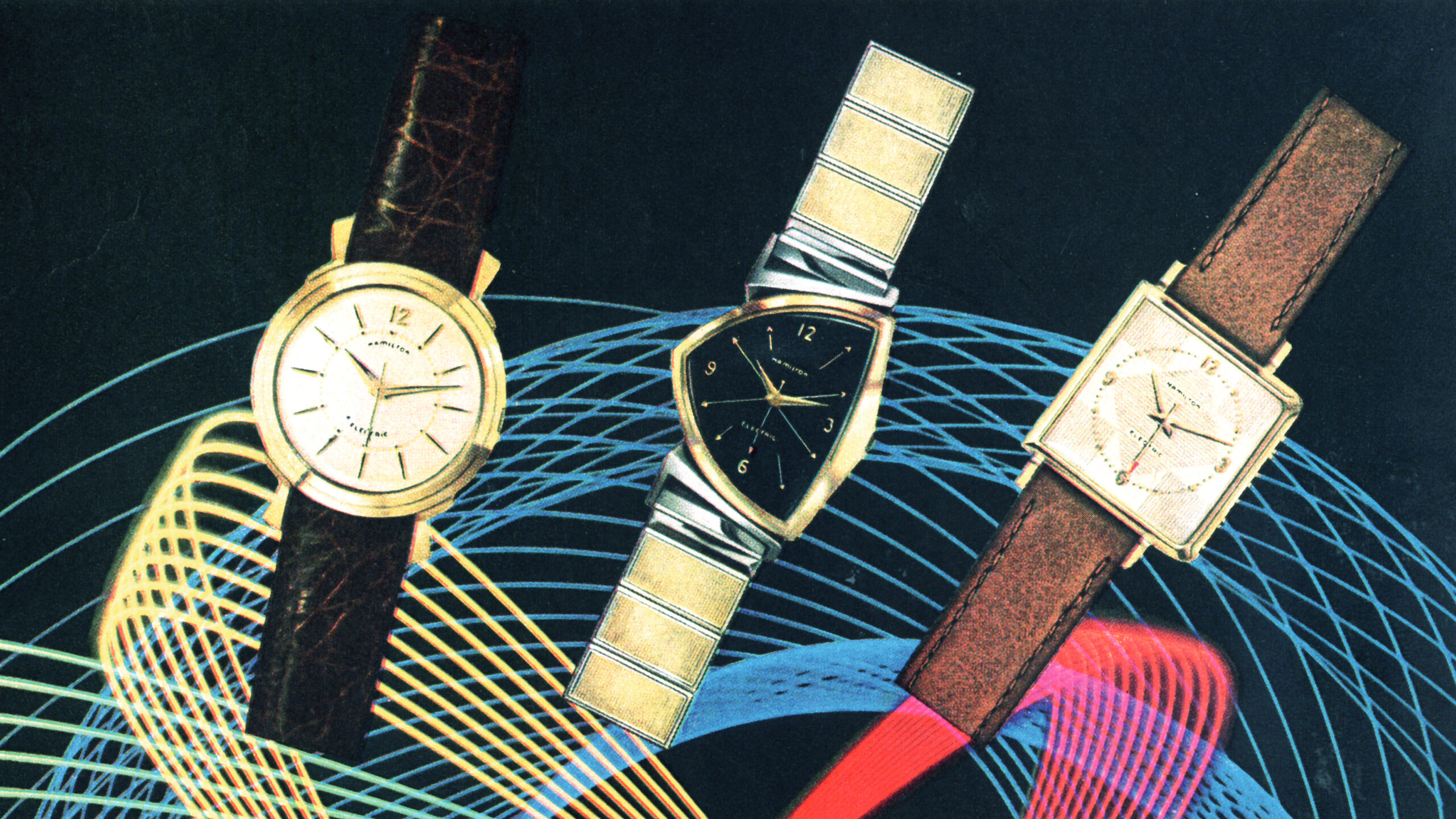
If you know of Hamilton’s Ventura you may know the name, but Richard Arbib has had a deep impact on watch design that’s still playing out.
One of the quirks of the watch world that I love, almost as much as the way watch engineering is craft as much as calculation, is the way that so few designers from outside the industry make an impact within it. Against Gilbert Albert, Gérald Genta and Jorg Hysek, who set directions for others to follow, you have Jonny Ive and Marc Newson, obviously. And I’d argue for Dieter Rams and Dietrich Lubs of Braun in the 1980s, Christophe Behling at TAG Heuer in the early 2000s, Philippe Starck and, maybe, Jasper Morrison and Konstantin Grcic for Rado. It’s not a long list and the reasons why are worthy of an article in their own right.
So where does Arbib fit in all this? The answer lies in his main career as one of the most influential car designers of America’s post-war boom.
Born in 1917, Arbib’s first experience of car design came after he graduated from the Pratt Institute’s School of Industrial Design in New York, and completed a one-year course in automobile styling at General Motors. He followed up with three years at GM’s “Art and Color Department” in Detroit under the legendary Harley Earl. He returned to work with Earl after World War II, as studio director for Earl’s design practice covering cameras, train interiors and a whole range of industrial products alongside cars.
Working with Earl was the critical step in Arbib’s development as it was Earl that revolutionised the approach to design at GM, transforming it from an add-on to the driving force during the car-maker’s golden age.
Before GM asked Earl to set up the “Art and Colour Section”, American carmakers placed little emphasis on body appearance. Engineering, function and cost took precedence over design, while luxury brands sent chassis to coachbuilders chosen by buyers. Earl’s department was dismissed as the “pretty picture boys” working in the “Beauty Parlor”. But “Art and Colour” proved their worth and commercial success forced design up the agenda, earning Earl the step-up to vice-president – and gaining his designers ever more freedom.
Arbib used that freedom and General Motors’ “Dynamic Obsolescence” concept – an approach that saw new models introduced annually – to turbocharge his design development. He was feeling out an approach to design that emphasized form over function, one that responded to the zeitgeist. And from the late 40s on, the zeitgeist was all about the future.
The optimism that defined America at that point sprang from the conviction that the extraordinary technological advances achieved during the war could now be redirected towards peace, prosperity and a more exciting everyday life. It made the future feel both attainable and desirable. America had become the world’s foremost industrial power and its consumers embraced a vision of the future in which jet travel, atomic energy and computers promised not just technological progress, but a new way of living.
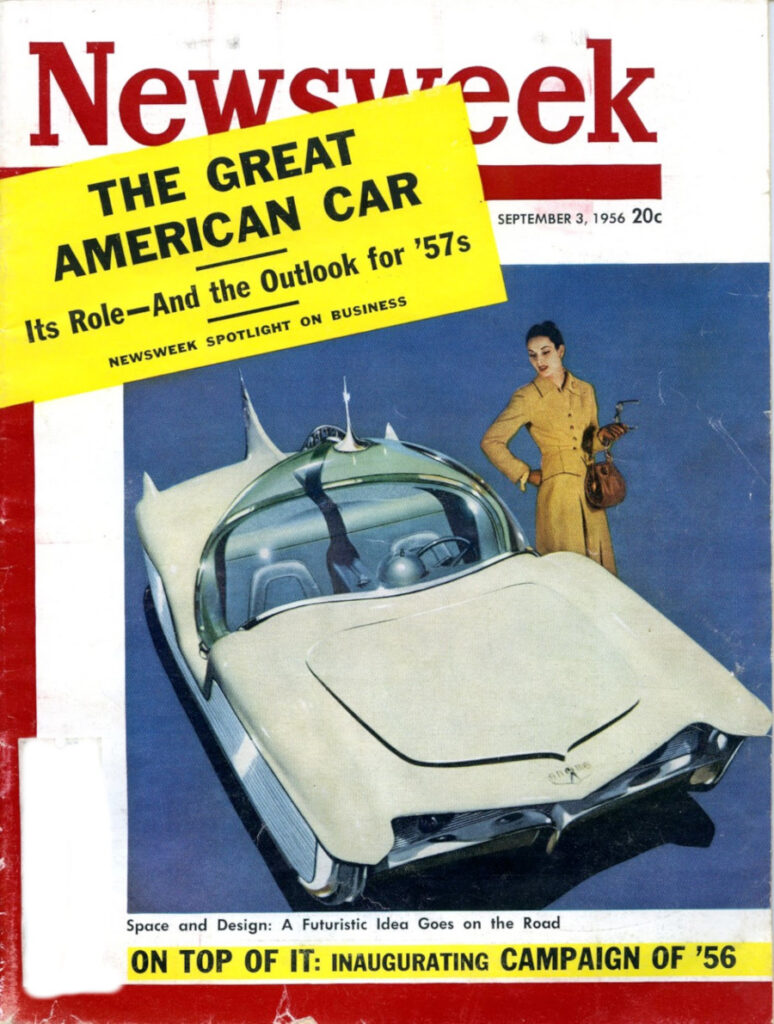
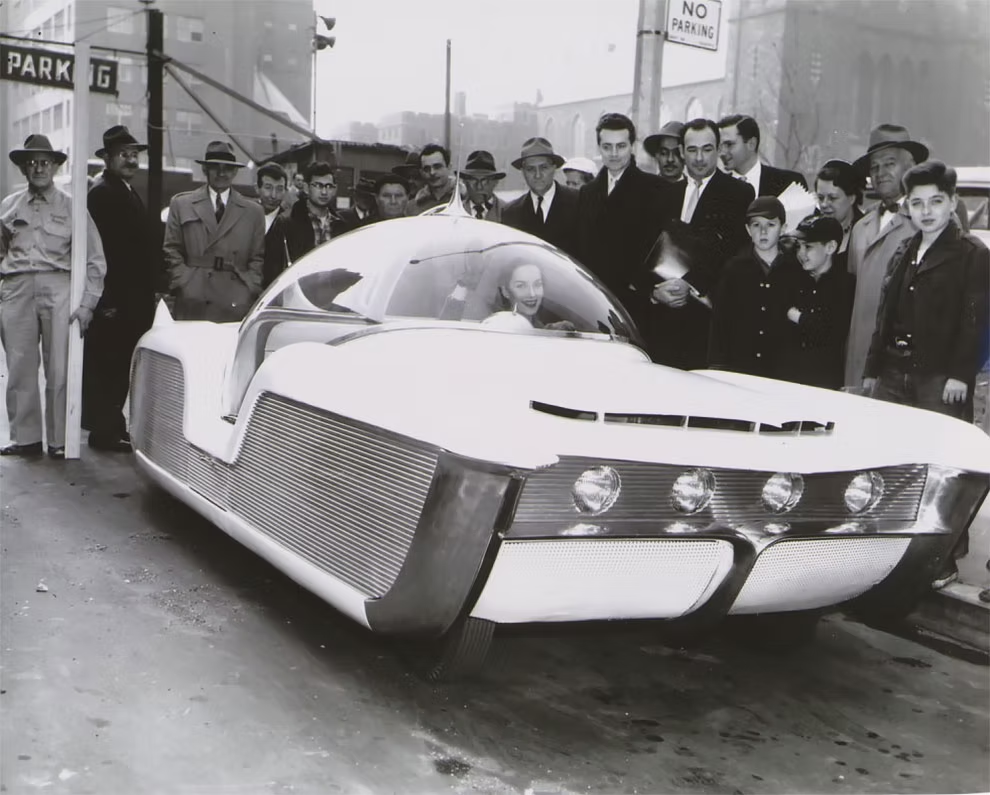
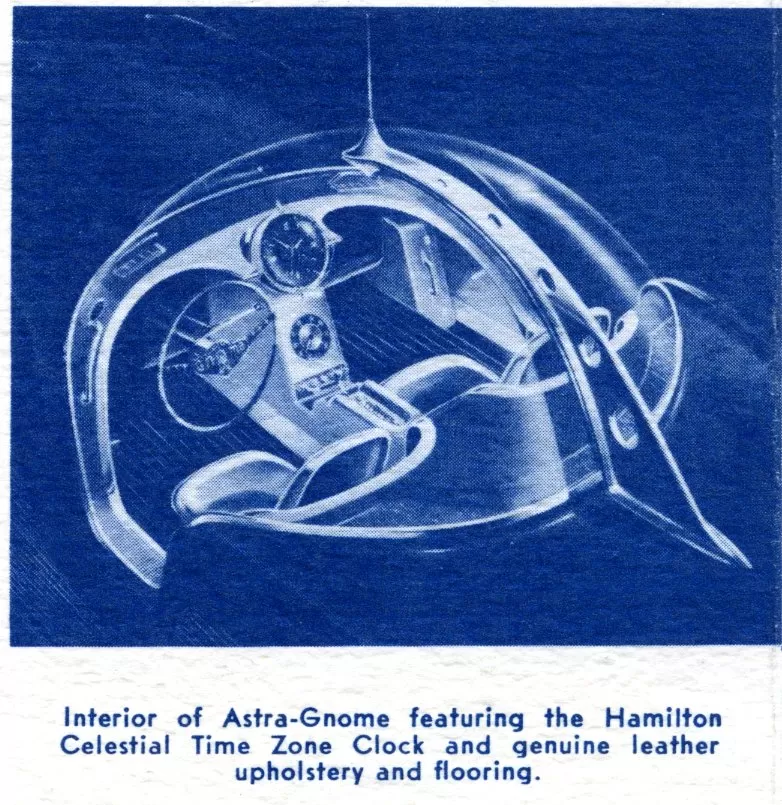
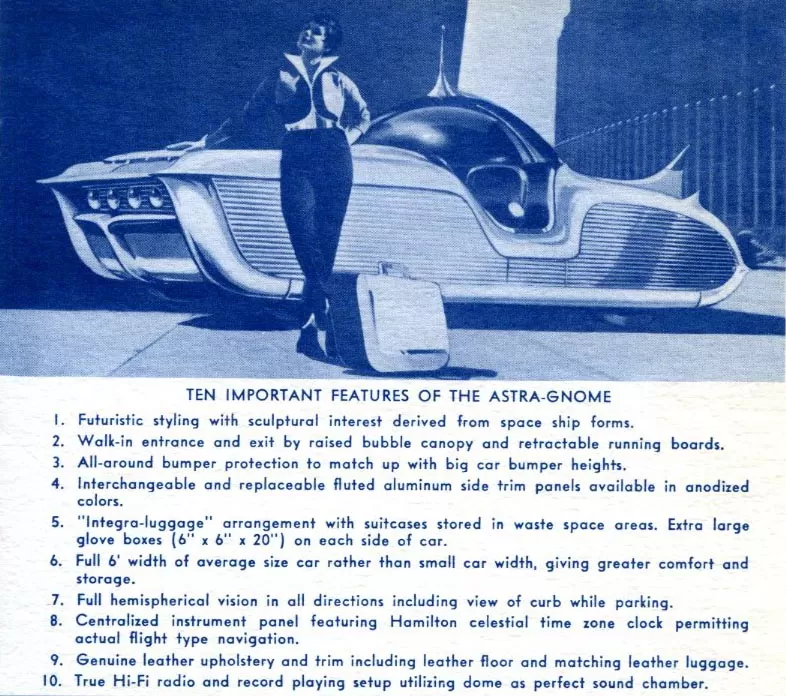
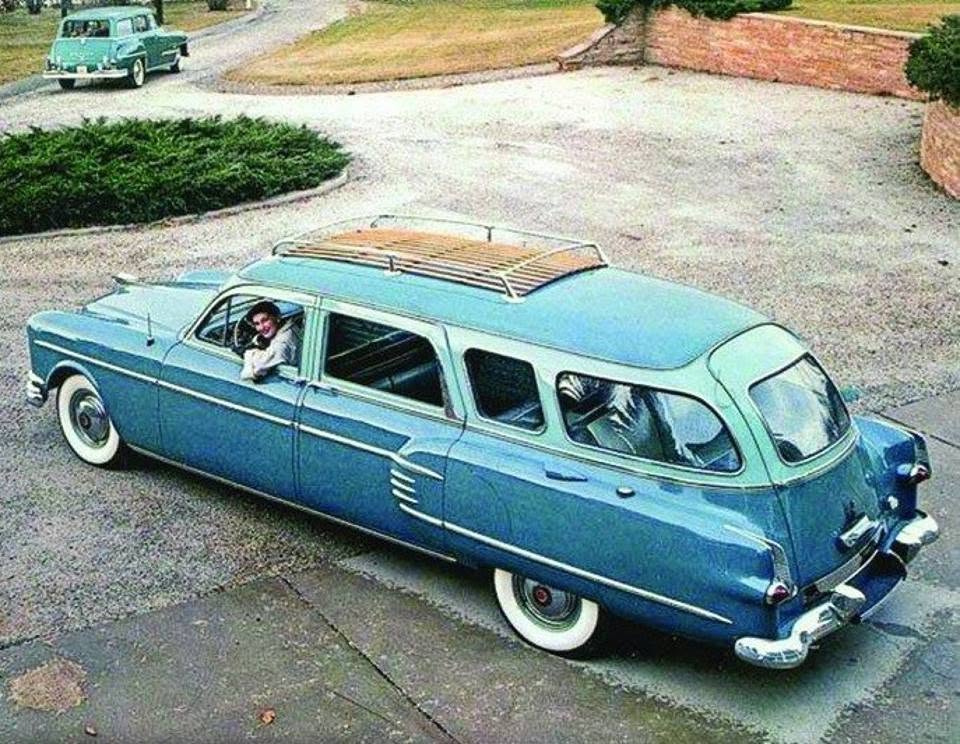
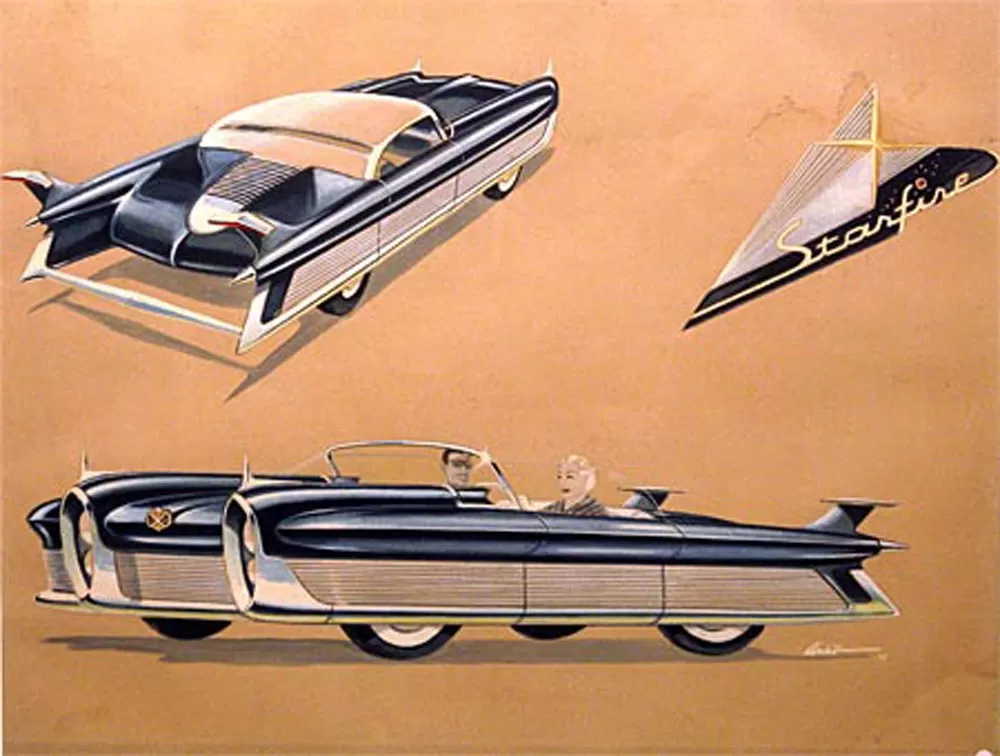
Arbib reflected that optimism in designs for Packard, Henney and Nash. It was visible in the progress from the early 50s Packard Super Station Wagons, via the Starfire concept car to the 1956 Astra-Gnome that made the cover of Newsweek. From that point Arbib expanded into different industries even designing covers for the likes of Galaxy Science Fiction.
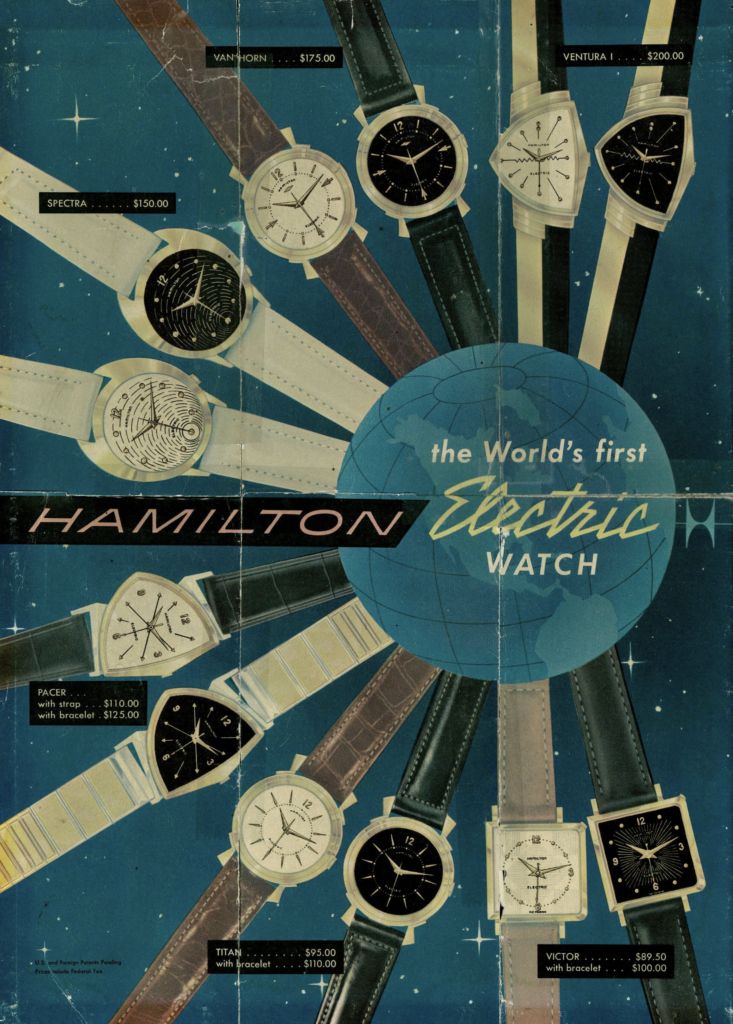
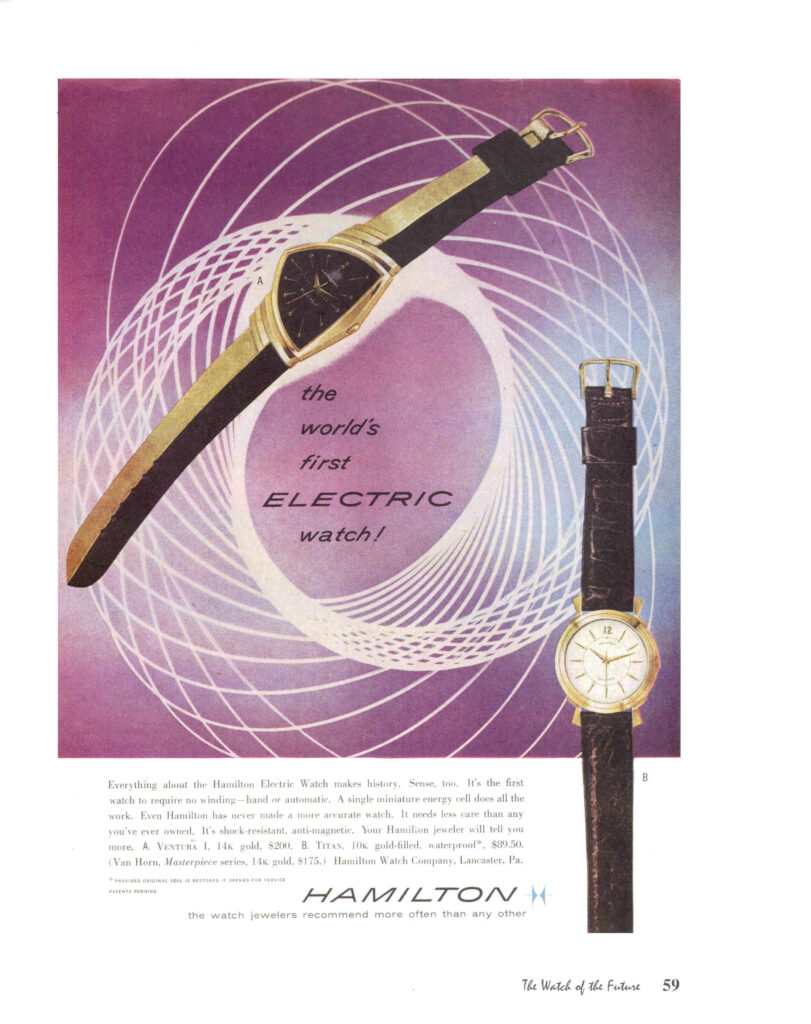
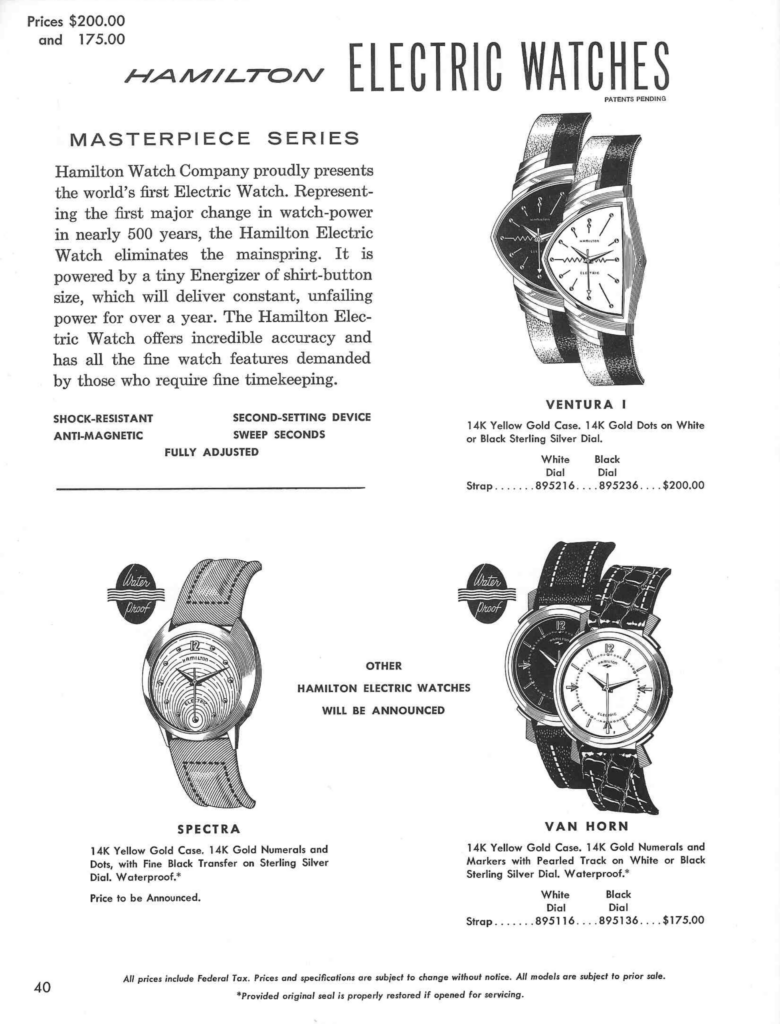
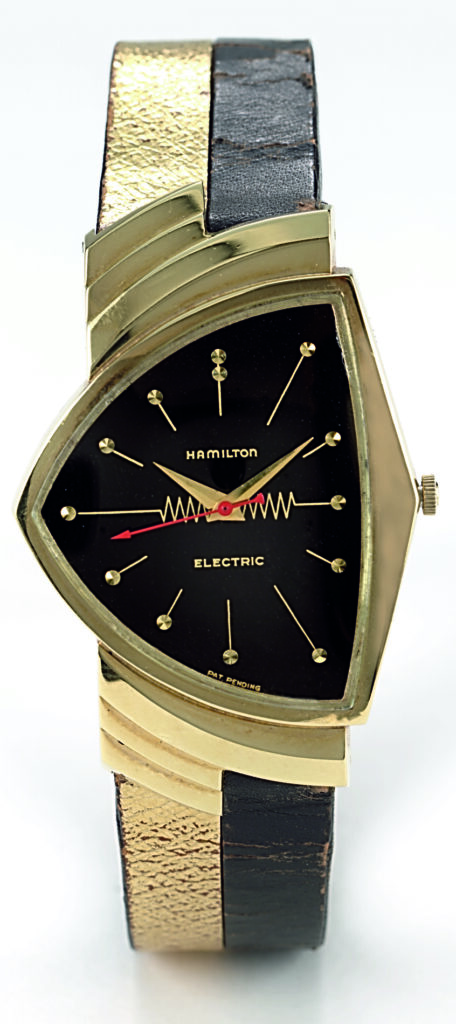
When Hamilton came calling, wanting designs to go with its push into electric movements, Arbib was never going to pastiche Breguet or Patek. The Ventura, which Arbib said had been inspired by the tailfins of the rockets he worked on during the war, is one of those few instantly recognisable watch designs to have survived the decades with only minor changes.
The Ventura established many of the themes that would define Arbib’s brief but remarkable contribution to watch design. Rather than treating the case as a discreet frame for the movement, he made it the watch’s defining feature, using asymmetry, dynamic lines and sculptural form to convey the optimism, speed and technological progress of the time. Notably, it was also one of the first watches to have an integrated bracelet.
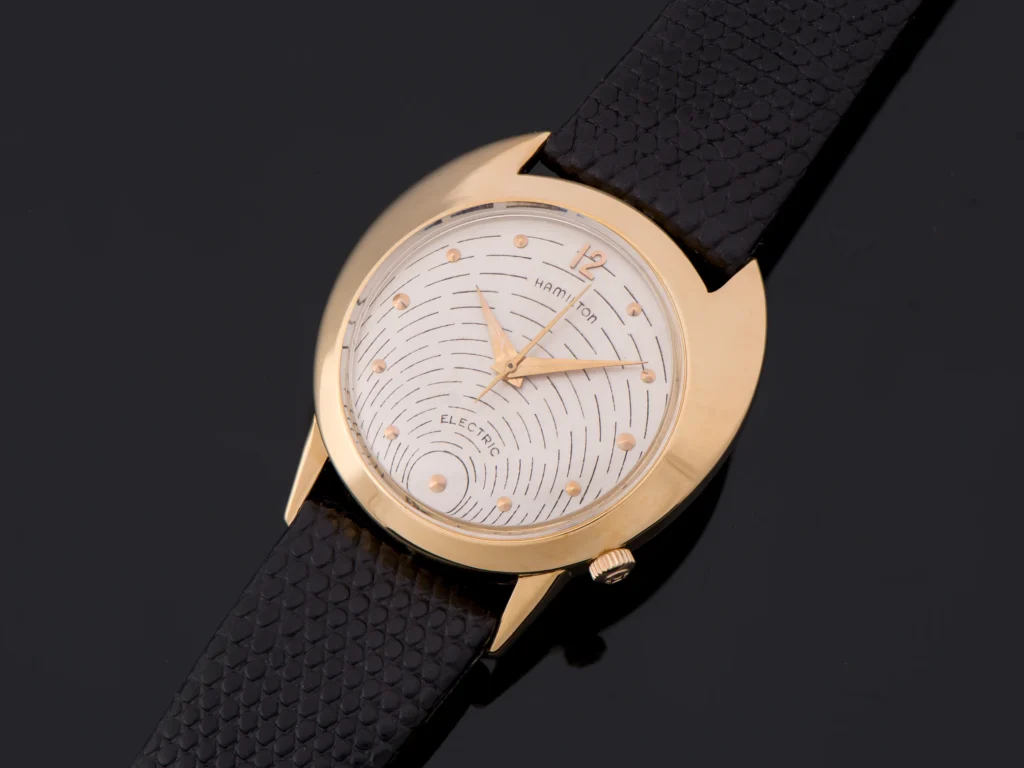
Hamilton subsequently gave him the freedom to develop the Pacer, Everest, Altair and Spectra, each pushing further away from the conservative vocabulary of round and rectangular watches. The Altair in particular was expressive of Arbib’s style and together these watches form a body of design that is unique but, it turns out, increasingly influential.
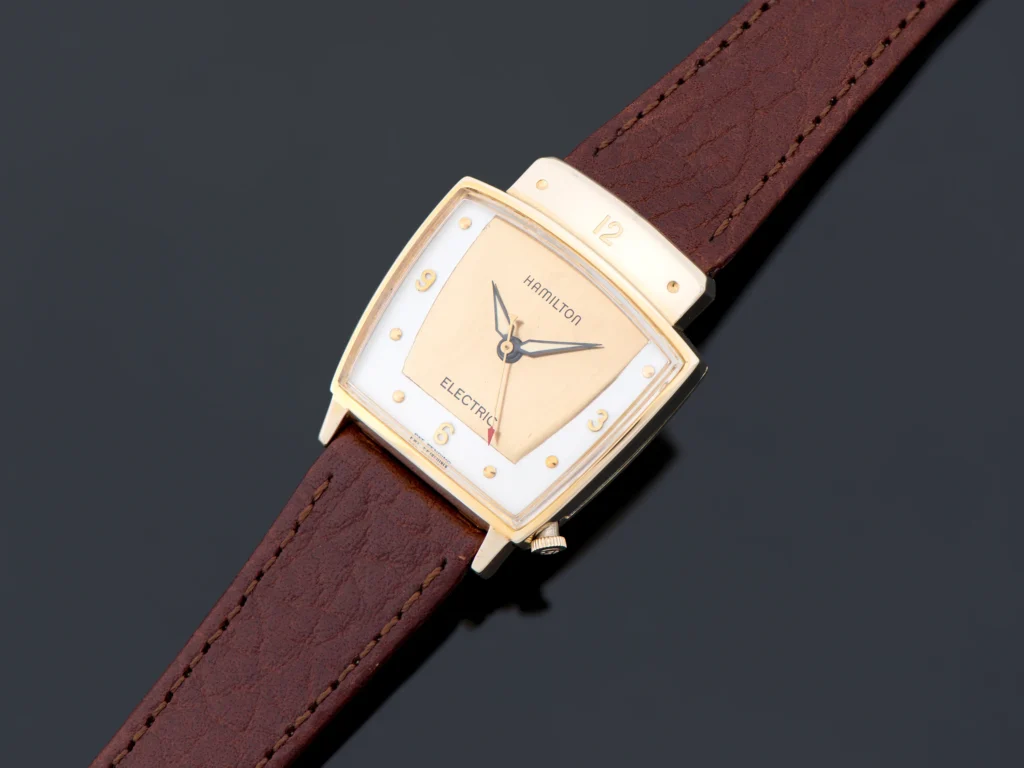
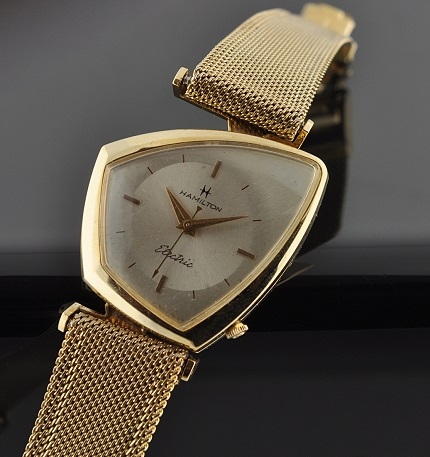
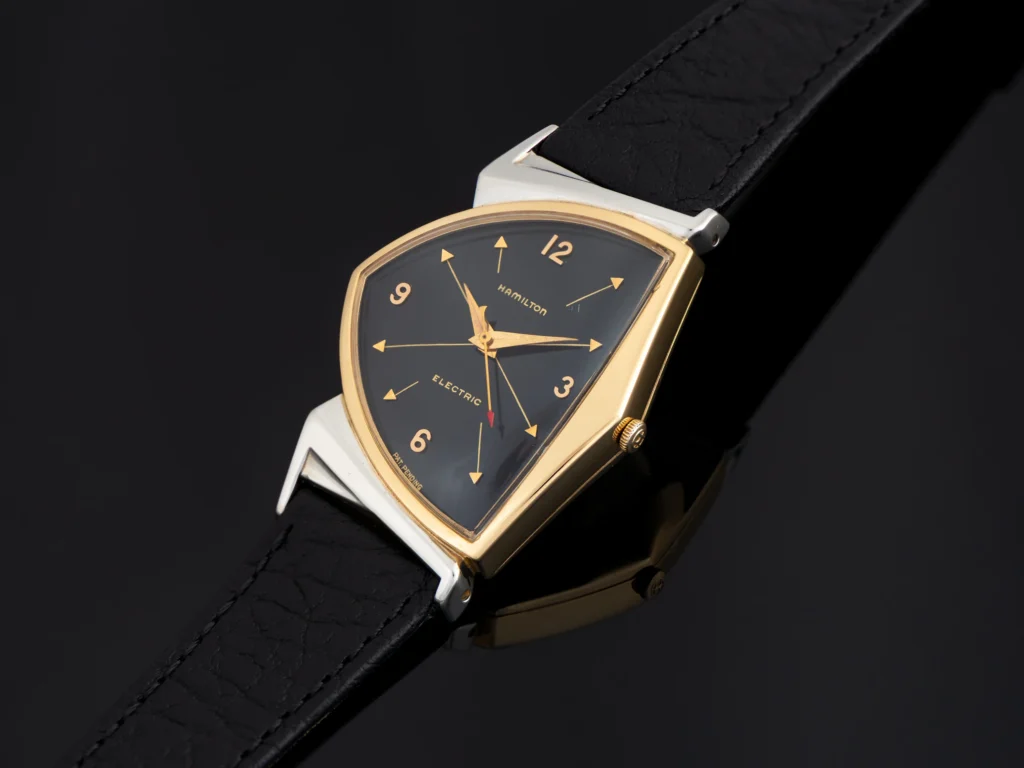
If no-one copied the Ventura or Altair directly, it was simply because Arbib was too far ahead of his time (and not helped by Hamilton’s electric adventure proving terminal). In hindsight, it’s clear that his work informed future designers both directly and indirectly. The Hamilton Pulsar and Omega’s Dynamic are obvious enough descendants and you could cite Newson’s Ikepod brand here too.
But would we have MB&F without Arbib? Or Urwerk? These are giants of futuristic design in their own rights, that’s not up for debate. But without an iconoclastic car designer putting a gloriously optimistic injection of futurism into the often stagnant pool of Swiss watch design, would they have gotten off the ground? That’s a question worth pondering.