

Are accessible riffs on lauded watches the death knell of creativity or a way to bring great design to the masses?
It’s certainly not controversial to say that there has been a growing discussion within the watch industry about the distinction between a watch that simply occupies the same category as another, a homage, and what could reasonably be described as a straight-up copy.
The debate was brought into particularly sharp focus recently by a certain prominent Dutch voice in the industry, who criticised Christopher Ward and branded the company a “copy machine”. Whatever your opinion of that particular argument, it raises an interesting question: where exactly is the line between inspiration and imitation? And why are some brands seemingly given far more leeway than others when they take design cues from watches higher up the luxury pecking order?
One thing that seems particularly apparent is that there are predominantly accessible brands that are tarnished with the “homage” or “copycat” label.
I struggle to think of many occasions where a high-end watch brand has been seriously and unironically accused of stealing another brand’s design language in the same way. There are, of course, plenty of examples of luxury watches sharing design characteristics, but the conversation seems to change depending on who is doing the borrowing and, perhaps more importantly, how much their watch costs.
Seiko provides an interesting case study. Take the Speedtimer, or the SSK059K1. Both can be seen as drawing fairly obvious inspiration from iconic Rolex designs, particularly the Daytona and Explorer II respectively. Yet Seiko is rarely treated with the same level of derision that can be directed towards a newer, more accessible brand. So why is Seiko seemingly given a pass when Christopher Ward isn’t?
One explanation could be heritage.
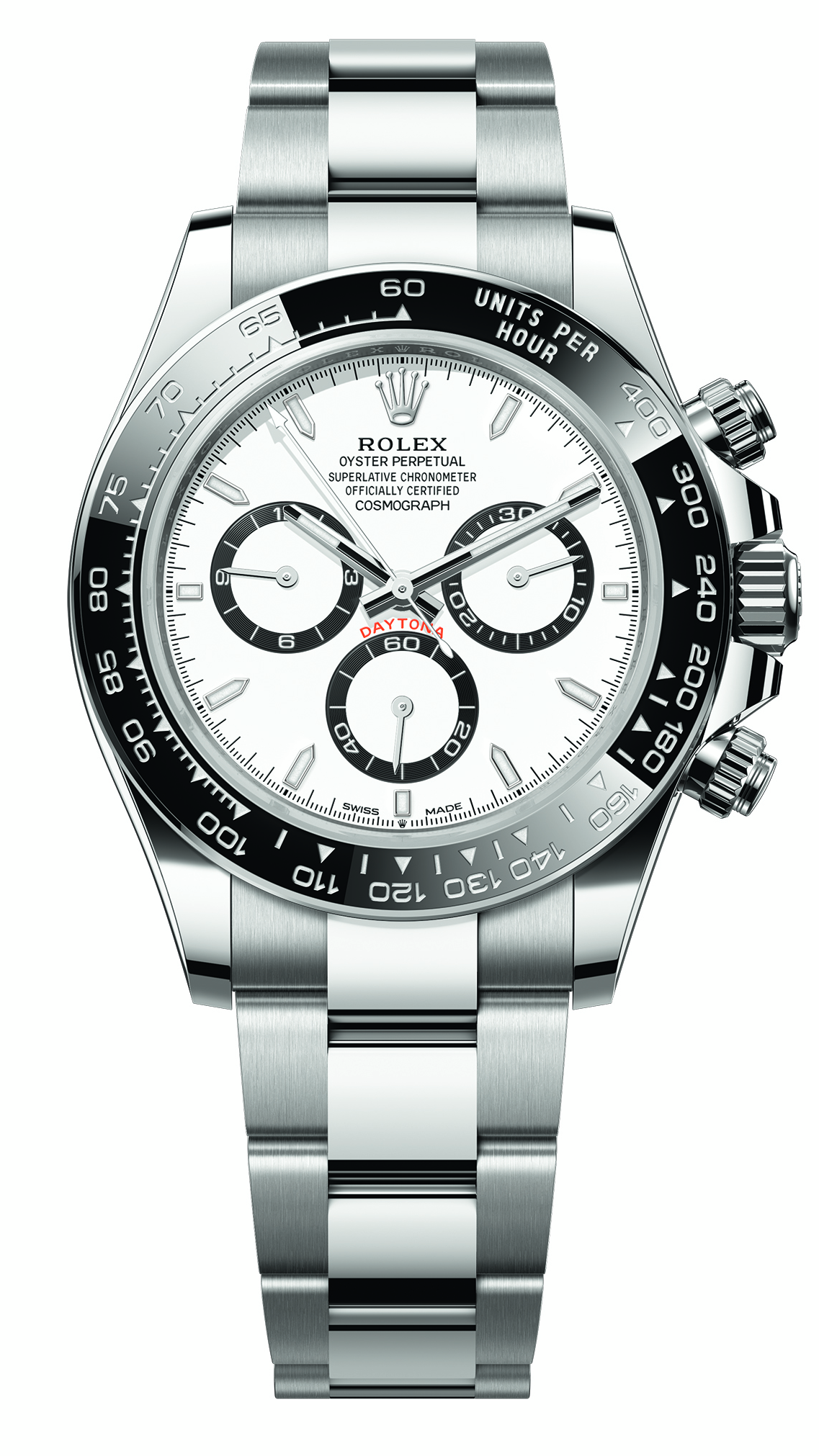
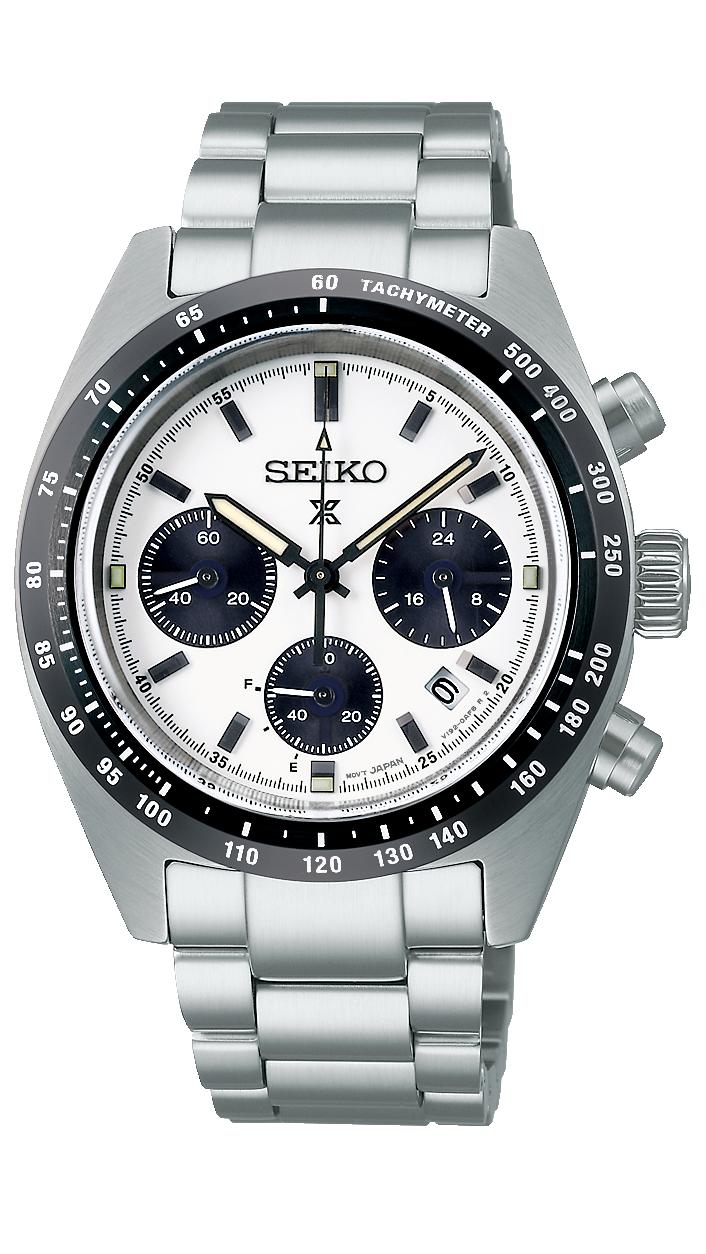
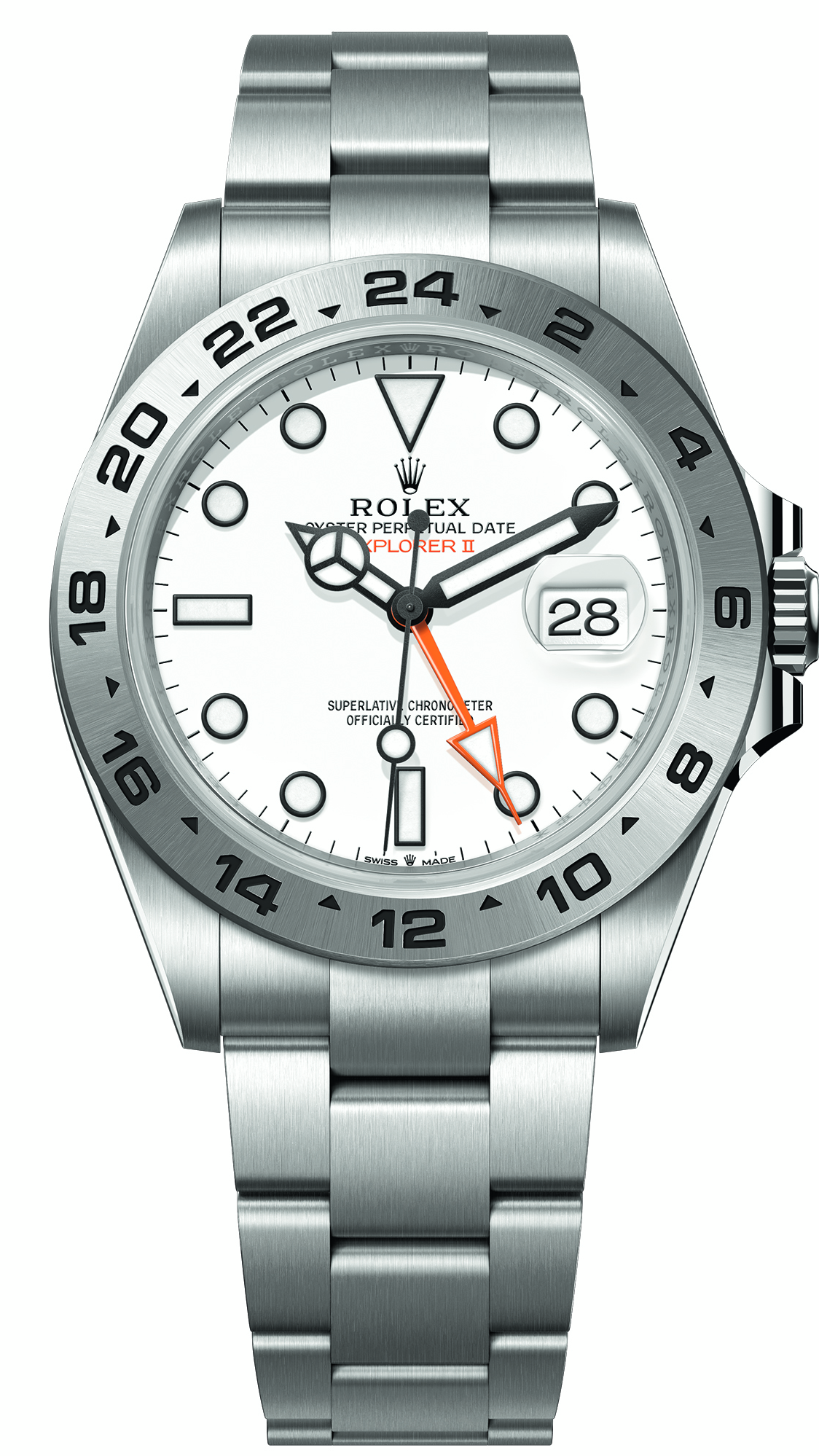
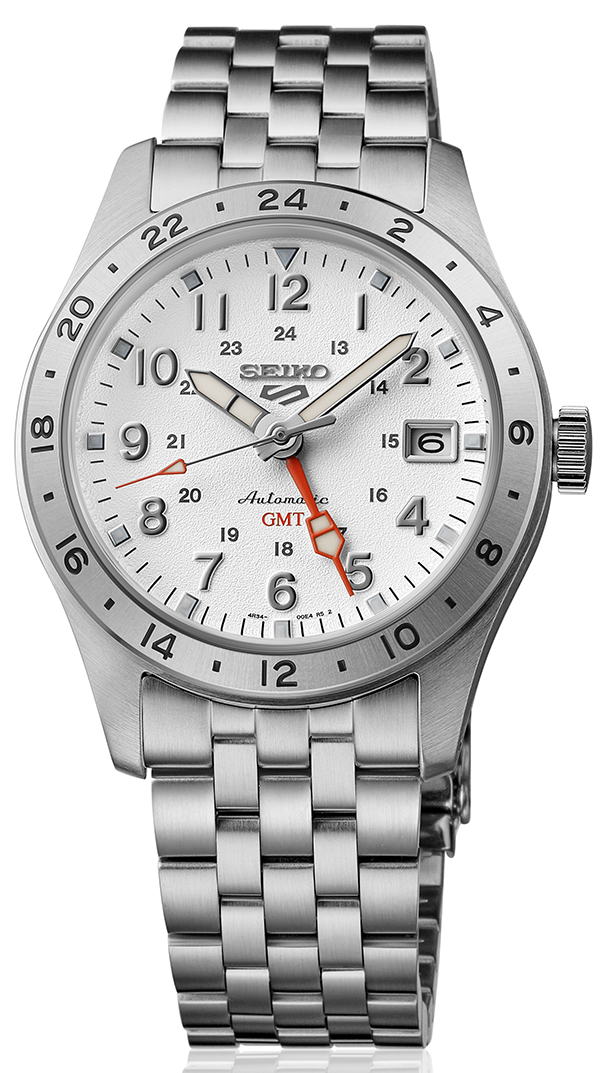
Many of the brands accused of borrowing heavily from established designs are relatively young companies. They don’t have decades, or in some cases centuries, of watchmaking history behind them. That heritage appears to buy established brands a certain amount of goodwill.
Seiko is a particularly interesting example because its history allows consumers to view the company as an established watchmaker rather than simply a brand attempting to capitalize on somebody else’s success.
There is even an entire enthusiast culture built around modifying Seiko watches to resemble Rolexes and other luxury models. The practice is generally treated as a harmless part of the hobby rather than something worthy of serious criticism. And honestly, there is an important distinction there. A consumer modifying their own Seiko is very different from a company deliberately designing a commercially produced watch around design cues that have already been proven successful elsewhere.
Nevertheless, the contrast is interesting. The same design language can be treated very differently depending on who is using it. As to why, one possible explanation is slightly less comfortable: snobbery over a watch’s country of origin.
Seiko and other non-Swiss brands may be perceived as less threatening to the established luxury industry. Their lower prices and Japanese origins can place them in a different mental category from a Swiss-made watch competing directly for the same consumer.
There is arguably a reason why a watch such as the Seiko SSK059K1 can attract relatively little outrage while a Swiss-made GMT with similar design characteristics can generate considerably more. It is almost as if borrowing from a luxury design is acceptable when the brand is perceived as being sufficiently far away from the luxury industry itself. Nobody is outraged when a sub-£500 microbrand builds an homage that might in a legal sense be actionable. They just don’t move the needle.
Christopher Ward complicates matters. A Swiss-made watch, fitted with a Swiss movement and sold by a British brand, can feel much closer to the established luxury market. If it offers similar visual cues and specifications at a substantially lower price, perhaps it is perceived as a more direct threat. You’re not going to buy that little micro over a much more expensive, proper Swiss watch… but you might get a Christopher Ward.
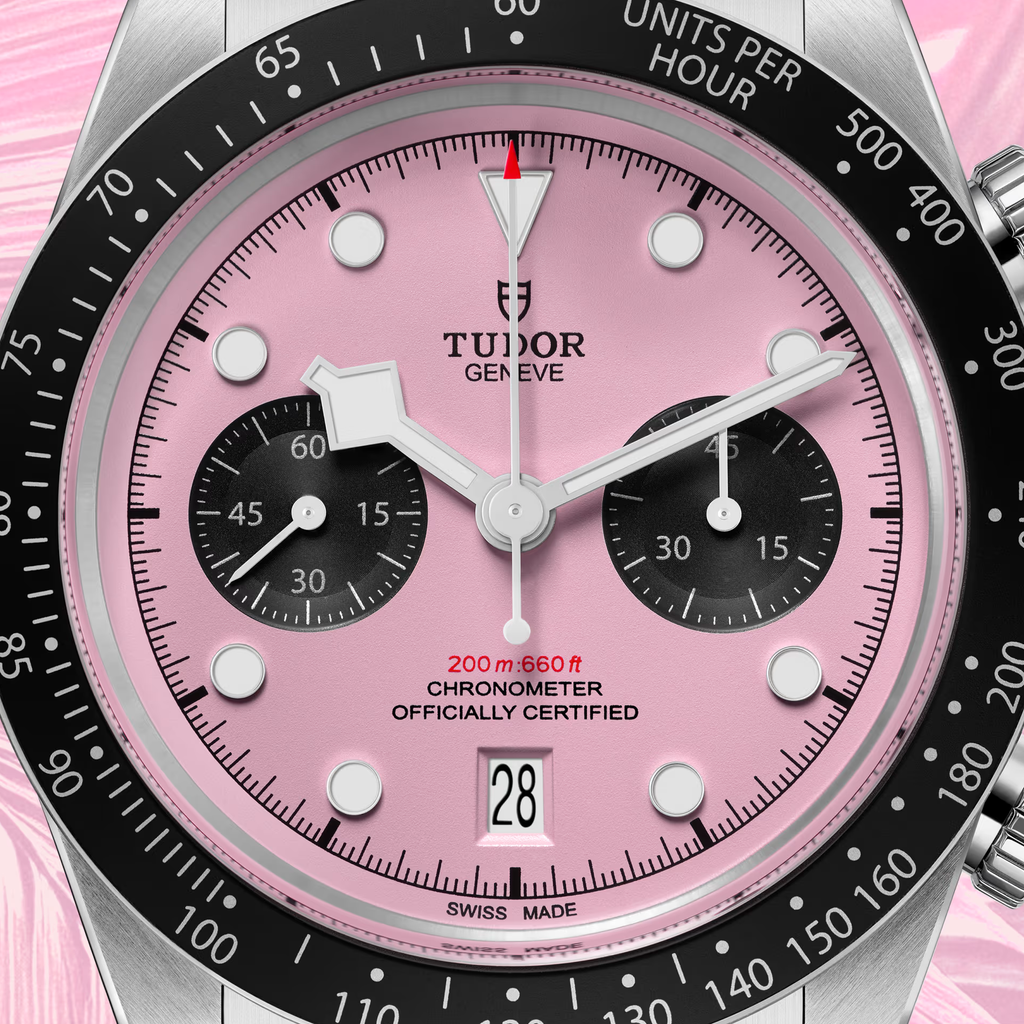
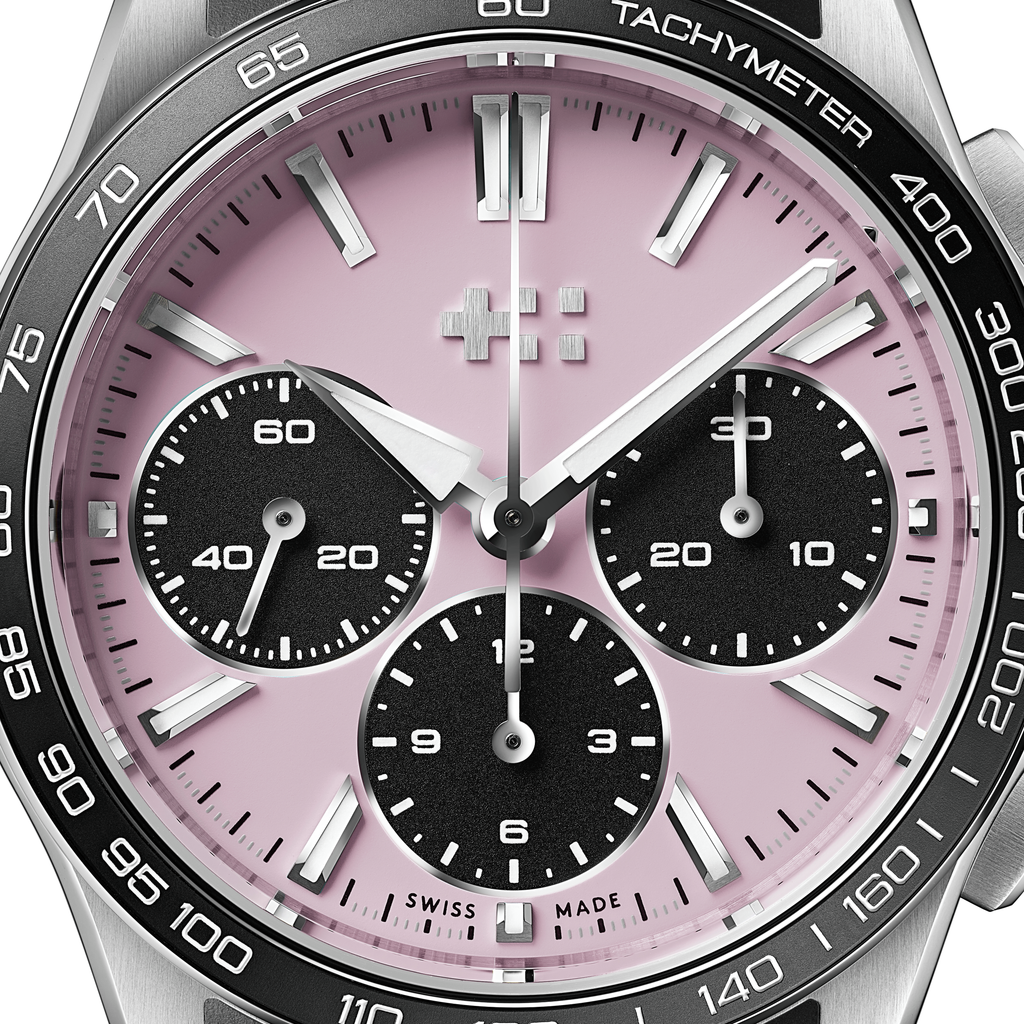
This is where the argument becomes more complicated. There is a perfectly reasonable criticism to make of brands that lean too heavily on existing designs. A company with a team of designers and engineers should, in theory, be capable of producing something genuinely distinctive.
There is also an argument that simply reproducing the visual formula of a successful watch is creatively bankrupt. I don’t think that criticism is entirely unfair – but there is another side to the argument.
There are only so many ways of arranging a circular case, a dial, a set of hands and some indices in a way that people will find attractive. Watches have been doing essentially this for hundreds of years. More importantly, designing something completely original is commercially risky.
If a company is employing hundreds of people, investing millions into product development and trying to sell watches to a competitive market, there is an obvious incentive to use design elements that consumers have already demonstrated that they like. That doesn’t necessarily make the resulting watch creatively brilliant. But it does make the decision understandable.
As to why these kinds of watches sell, it comes down to two key questions. First, why would you not buy the original propagator of the design? It’s the first and best version, surely, the creative source often imitated never bettered. But then there’s the second question, one too often ignored by industry insiders but integral to why a collector might buy a watch: what if you can’t get the original?
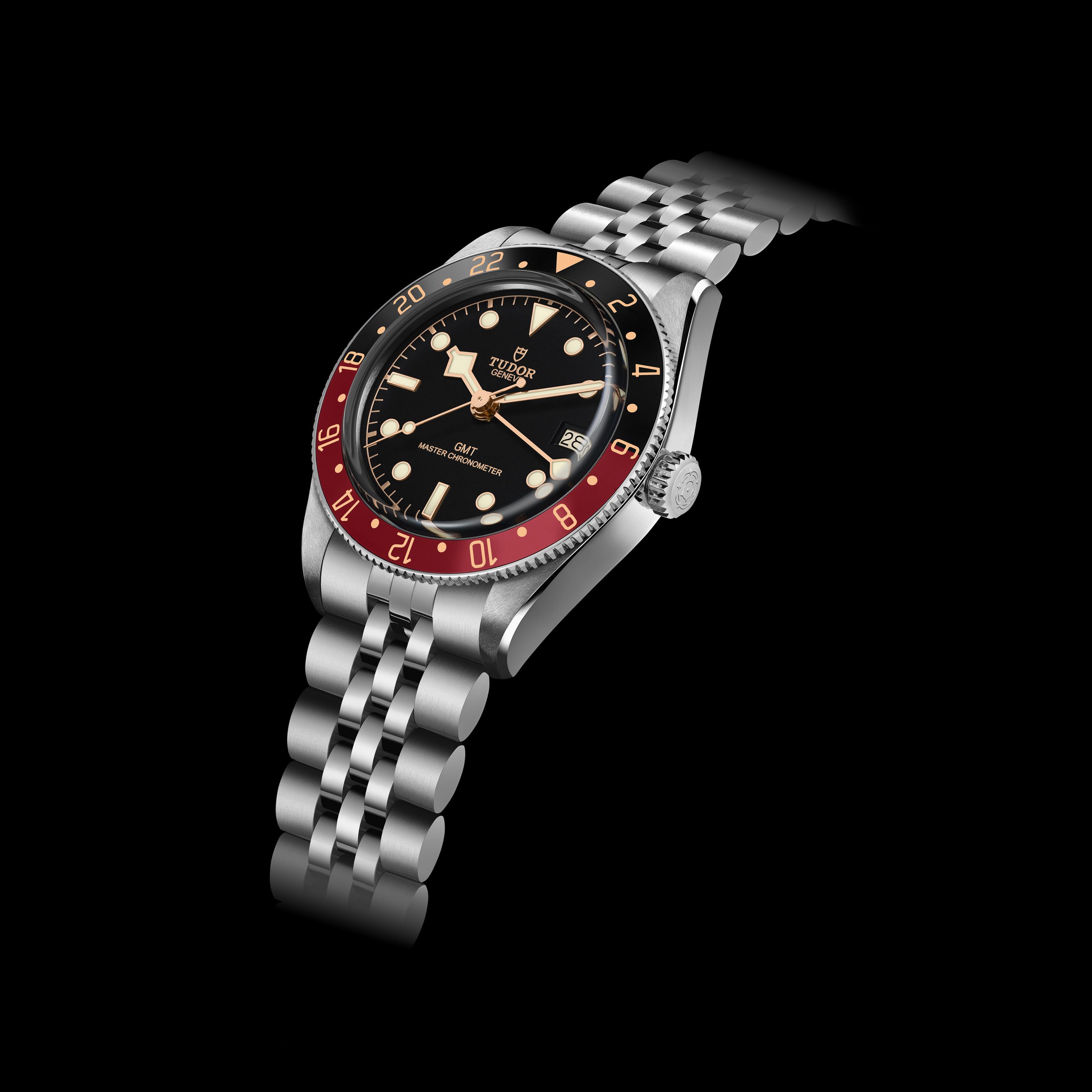
Consider the Tudor Black Bay 58 GMT. At £4,400, it occupies a very different part of the market from Christopher Ward’s Trident Biscay GMT, which was released at £1,635. Suddenly, the design language that once required several thousand pounds to access becomes available to somebody who might only have £1,500 to spend. That is the democratisation of design – and it’s a good thing.

Even if you take a much broader view, it’s an argument that makes sense. Dive watches have been riffing off the Submariner since it was released in the mid-50s, to the point where everyone has a dive watch or two in the same vein. Should everything not graced with the Crown be discarded as cheap imitations, or should collectors be allowed to wear something that scratches the same aesthetic itch without the same level of investment?
Back to the Tudor and Biscay comparison. The two watches share a number of noticeable visual characteristics. The Biscay GMT uses similar colour combinations on the bezel, gilt elements on the dial and a bracelet configuration that gives the same general impression. If someone loves the look of a vintage-inspired GMT but cannot afford the watch that popularised the aesthetic, why shouldn’t they be able to buy something inspired by it?
After all, fashion, cars, furniture and architecture have all operated this way for decades. Successful designs influence other designs, which are adapted, reinterpreted and eventually become part of the wider visual language of an industry. Watchmaking is hardly immune from this process.
For more entry-level buyers, this calling-out of similar aesthetics could easily be seen as gatekeeping. ‘You should only want the expensive version’ isn’t a particularly healthy outlook, even in better economic times. But I don’t believe this gatekeeping is intentional; to me, it’s reactionary, for a very understandable reason.
For somebody who has spent £4,400 on the Tudor, seeing another person wearing a £1,635 watch with a broadly similar aesthetic might understandably be irritating. But why?
If you’re spending the equivalent of several weeks or even months of an average salary on something that ultimately sits on your wrist and tells the time, you’re buying considerably more than functionality.

You’re buying into a story. You’re buying heritage. You’re buying exclusivity. A luxury watch isn’t simply a device for telling the time. For many consumers, it represents craftsmanship, heritage, scarcity, status and the ability to own something that most other people cannot. The price itself forms part of that barrier.
So, when an accessible brand takes elements of that story and makes them available to a much wider audience, it begins to dismantle that barrier. It can feel as though it is undermining the thing that made the original desirable in the first place, which can be a hard pill to swallow.
But does an affordable alternative actually take anything away from the original? Someone buying a £1,635 Christopher Ward instead of a £4,400 Tudor may never have been a Tudor customer in the first place.
If they couldn’t or wouldn’t spend £4,400, then the cheaper watch hasn’t necessarily stolen a sale. It has simply created an opportunity for somebody to participate in a particular style of watch that was previously outside their budget.
In that sense, accessible alternatives may actually expand the audience for certain types of design, which is undoubtedly a good thing. The person buying the £1,500 watch today might eventually buy the £4,000 watch tomorrow. Exposure to a particular style, complication or category can be the beginning of an enthusiast journey rather than the end of one.
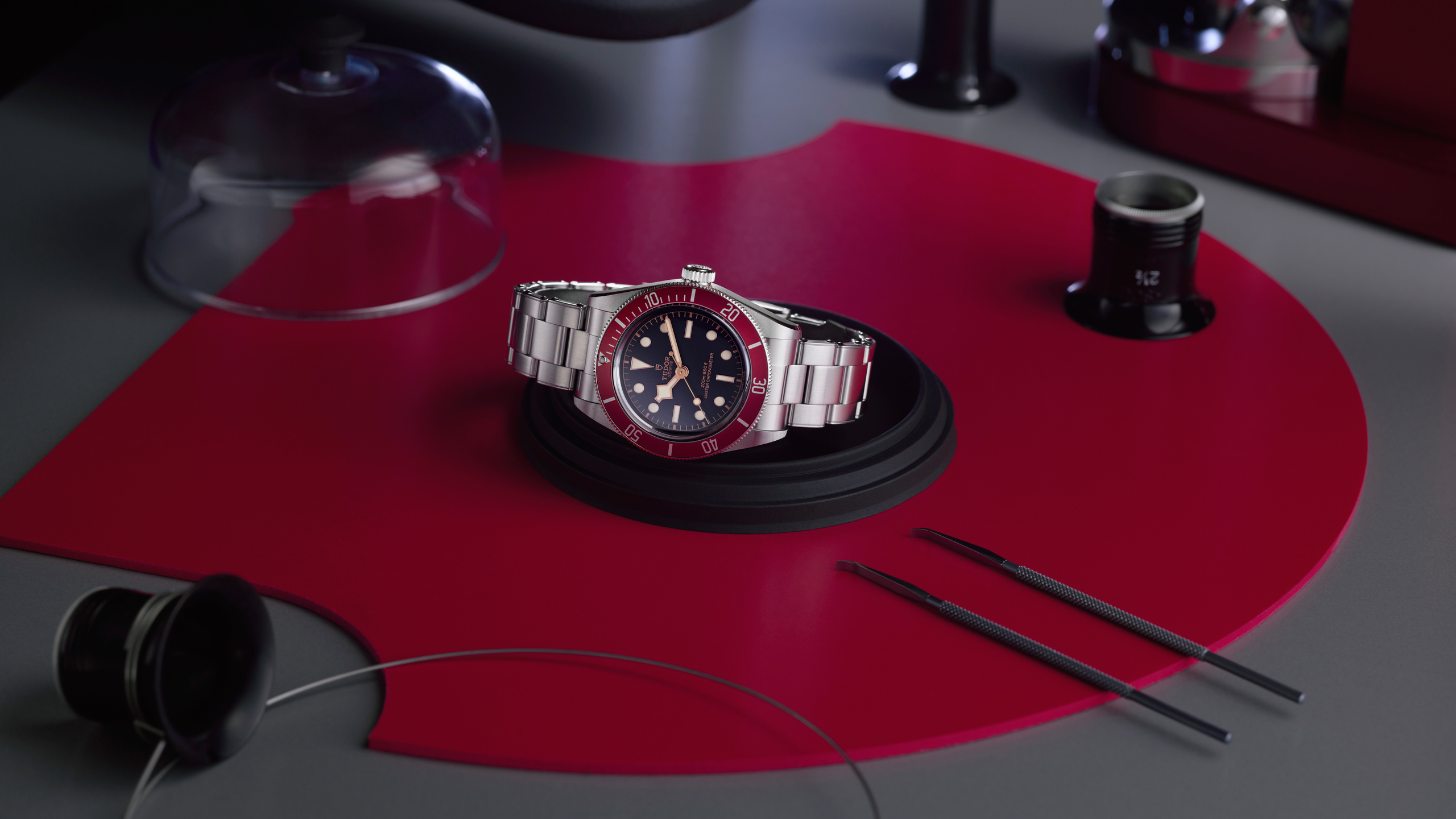
At the end of the day, a budget alternative may introduce someone into the world of mechanical watch making, which ultimately leads them to spend on the luxury brands that are being referenced in these homages. Perhaps more than anything, this prevailing dismissal of imitation highlights an uncomfortable truth about the modern watch industry.
Luxury has always depended, at least partially, on making certain things inaccessible. The more successful affordable brands become at reproducing the aesthetic qualities that consumers admire, the harder it becomes to maintain that exclusivity.
That doesn’t mean every homage is good, or that every copy should be defended. There should absolutely be a distinction between inspiration and imitation. But perhaps we should also be honest about why the latter creates such strong reactions.
The watch industry is no longer operating in a world where beautiful design is automatically reserved for those with the deepest pockets. Consumers have more choice than ever, and brands are increasingly willing to take ideas that were once confined to the upper echelons of the market and reinterpret them for everyone else.
Maybe that isn’t the death of originality. Maybe it’s simply the democratisation of design…