
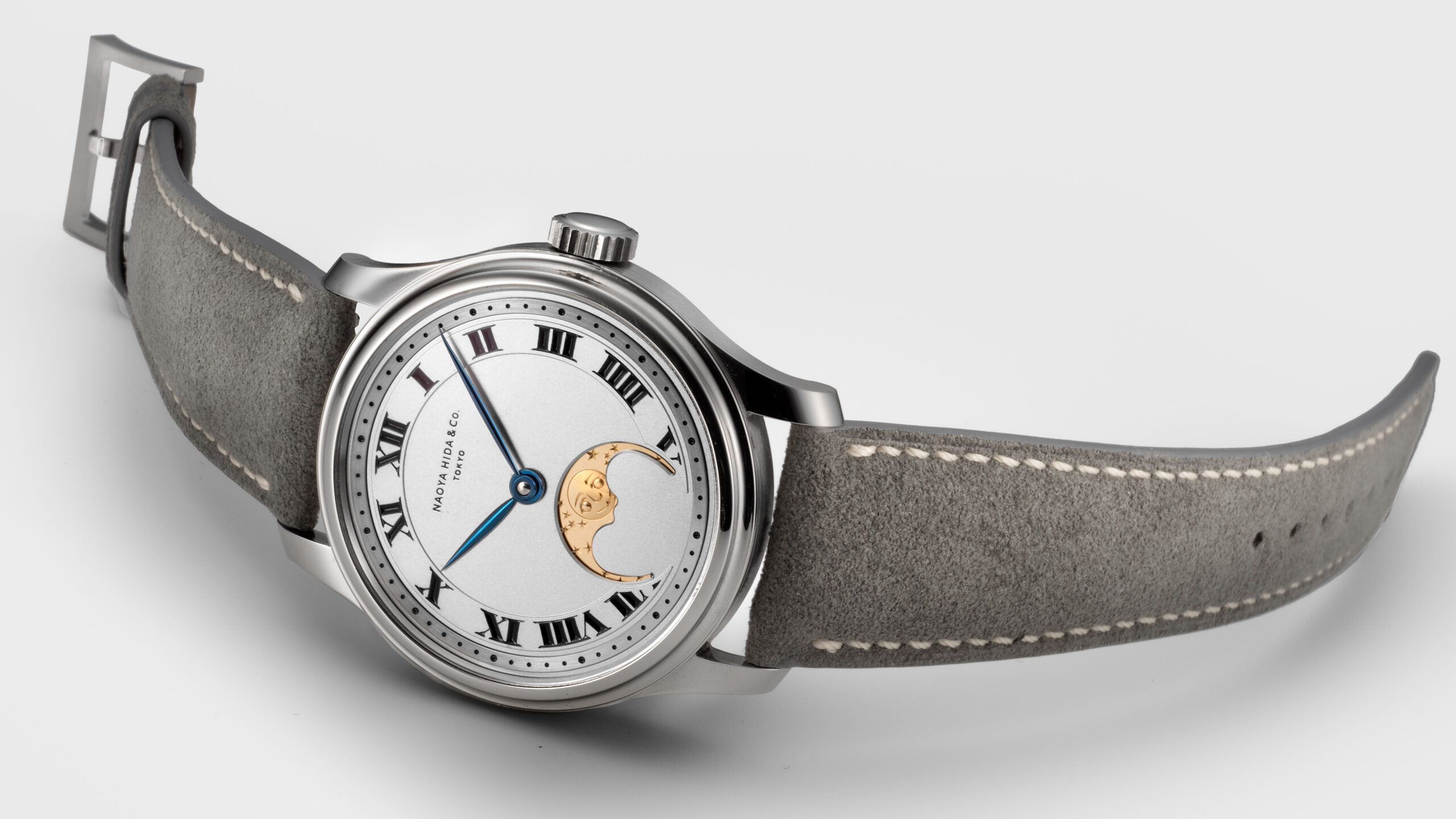
Japan’s foremost independent watchmaker may have grown from one table to 11 staff, but the way they work isn’t changing.
Five years may not be a long time in the watchmaking world, but at Naoya Hida & Co., it has been long enough to change nearly everything. When I first visited in 2021, the company was settling into its first official headquarters, a space of about 950 square feet in Tokyo’s Ningyocho district. Until then, the business had been run from the apartment of its founder, Naoya Hida, a veteran of luxury watch sales and marketing. He and his two partners, the watchmaker Kosuke Fujita and the engraver Keisuke Kano, had little to photograph: the space held one table and a few chairs. The brand had just sold out its 40 watches for the year in three days.
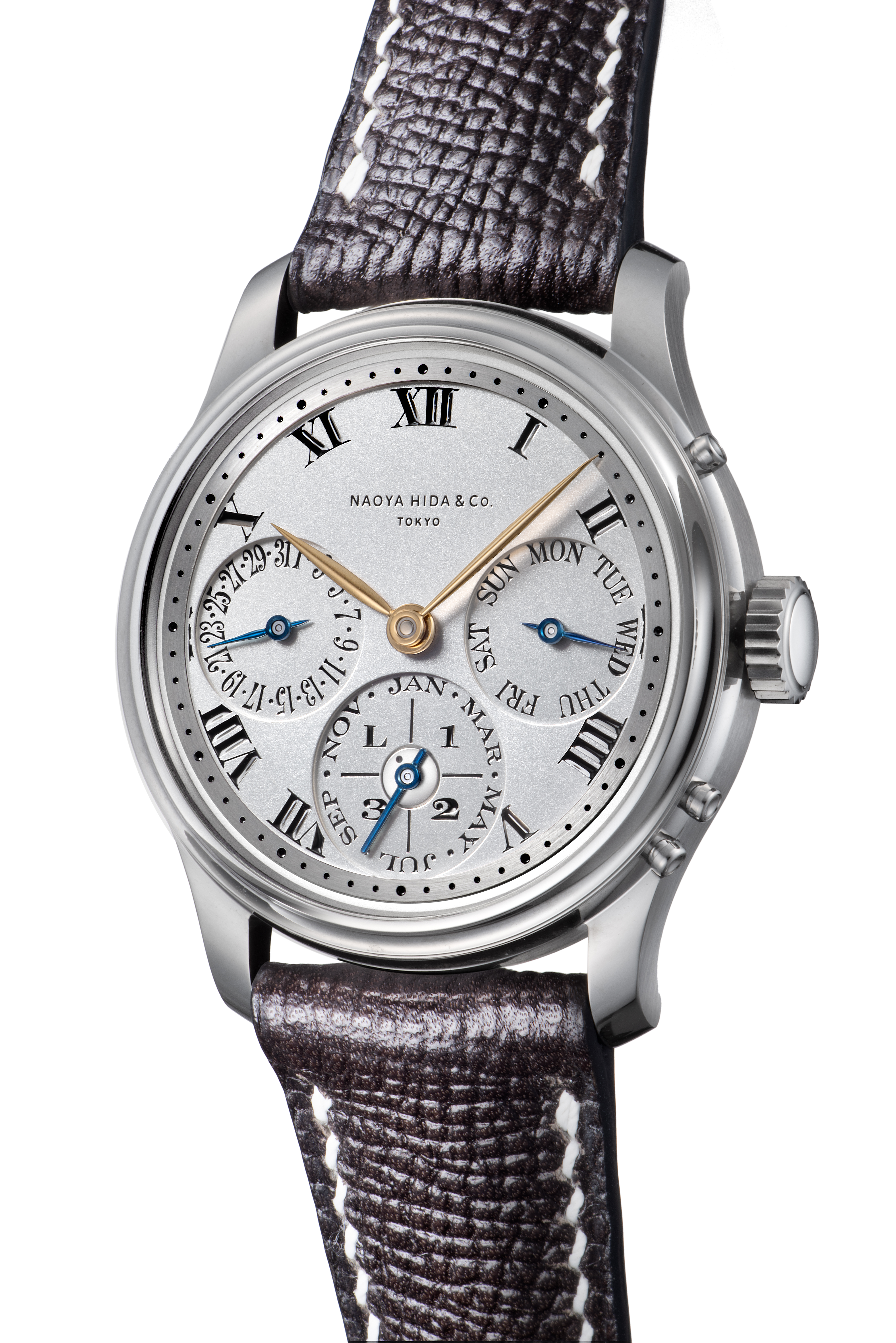
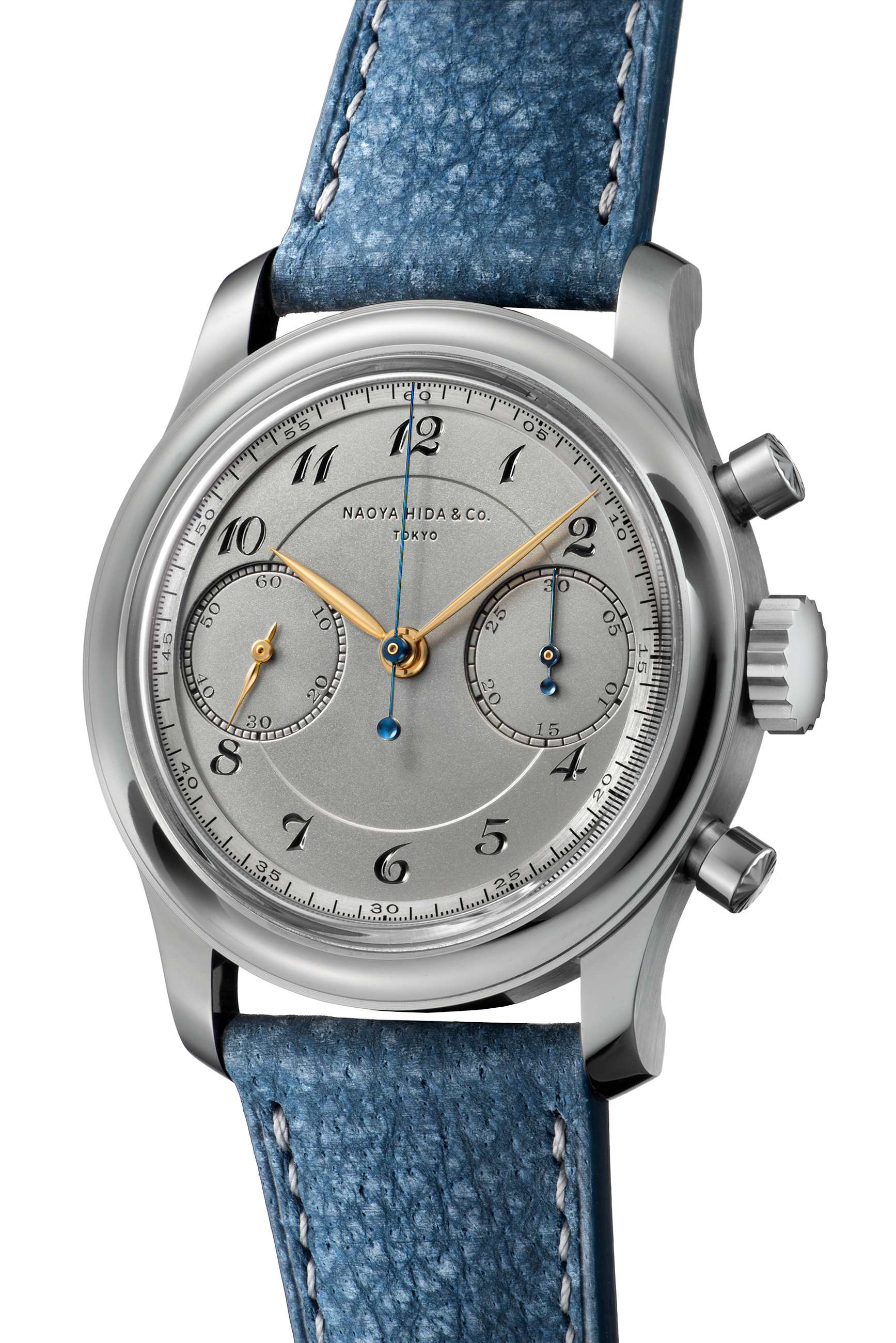
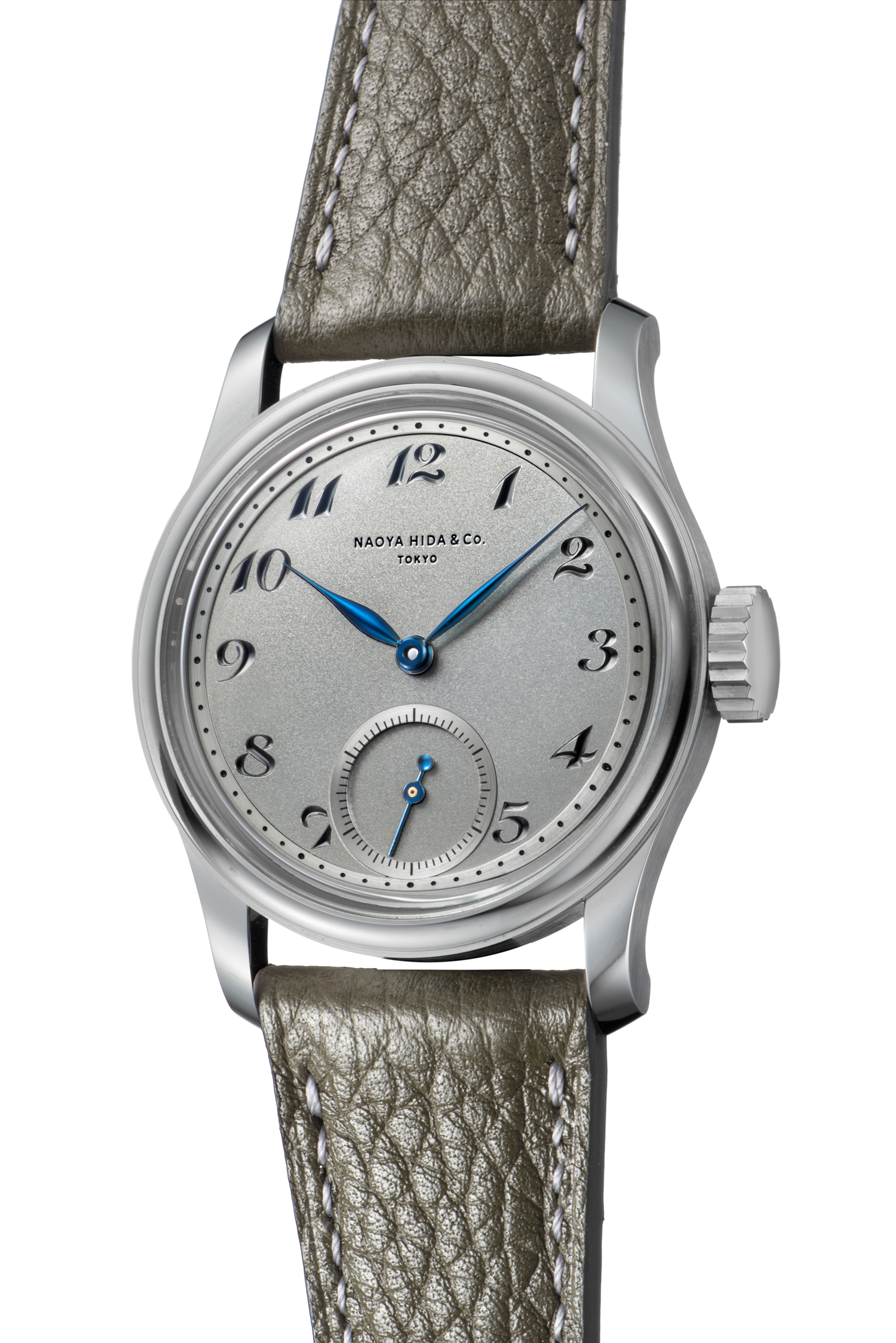
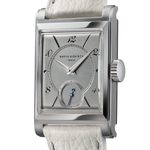
Fast forward to now. The table is still here but now in a new, larger building in Asakusabashi, a district of jewellery wholesalers and craft suppliers just across the Kanda River from their former space, and not far from the crowds of tourists visiting Asakusa and its famed Senso-ji temple. Mr. Hida now employs 11 people, nine full-time and two part-time, and the space is roughly twice the size of the old one, with enough room finally for the bulky CNC machines that wouldn’t fit before. This year the workshop is making 140 watches in eight models, up from seven watches in its first production year, 2019.
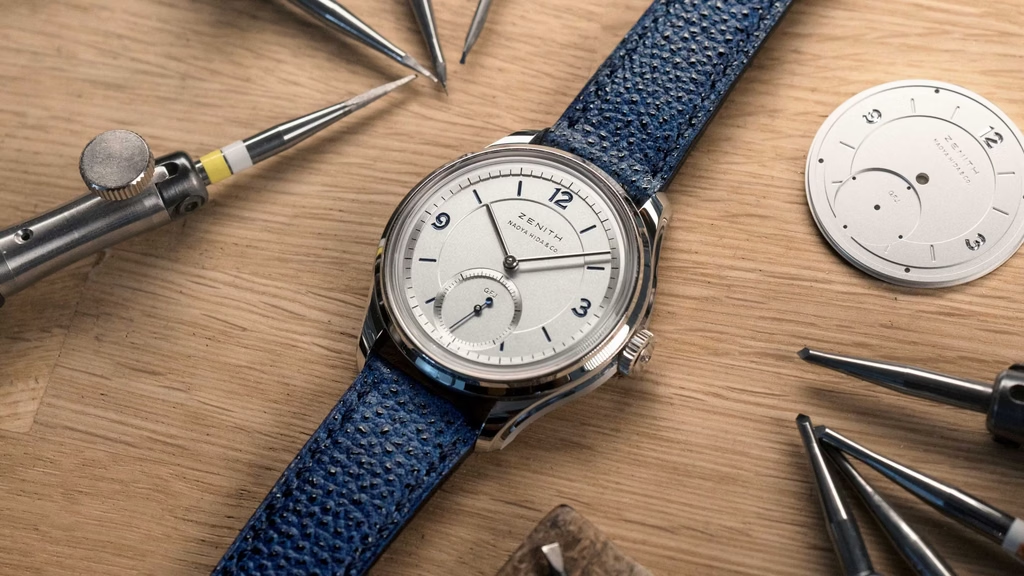
Five years ago, Mr Hida told me he wanted to stay small. The brand has since become one of the most sought-after in independent watchmaking, even collaborating with Swiss giant Zenith on their revived G.F.J Calibre 135. But his position hasn’t moved: “Nothing has changed,” he said.
Too Many Applications, Too Few Watches
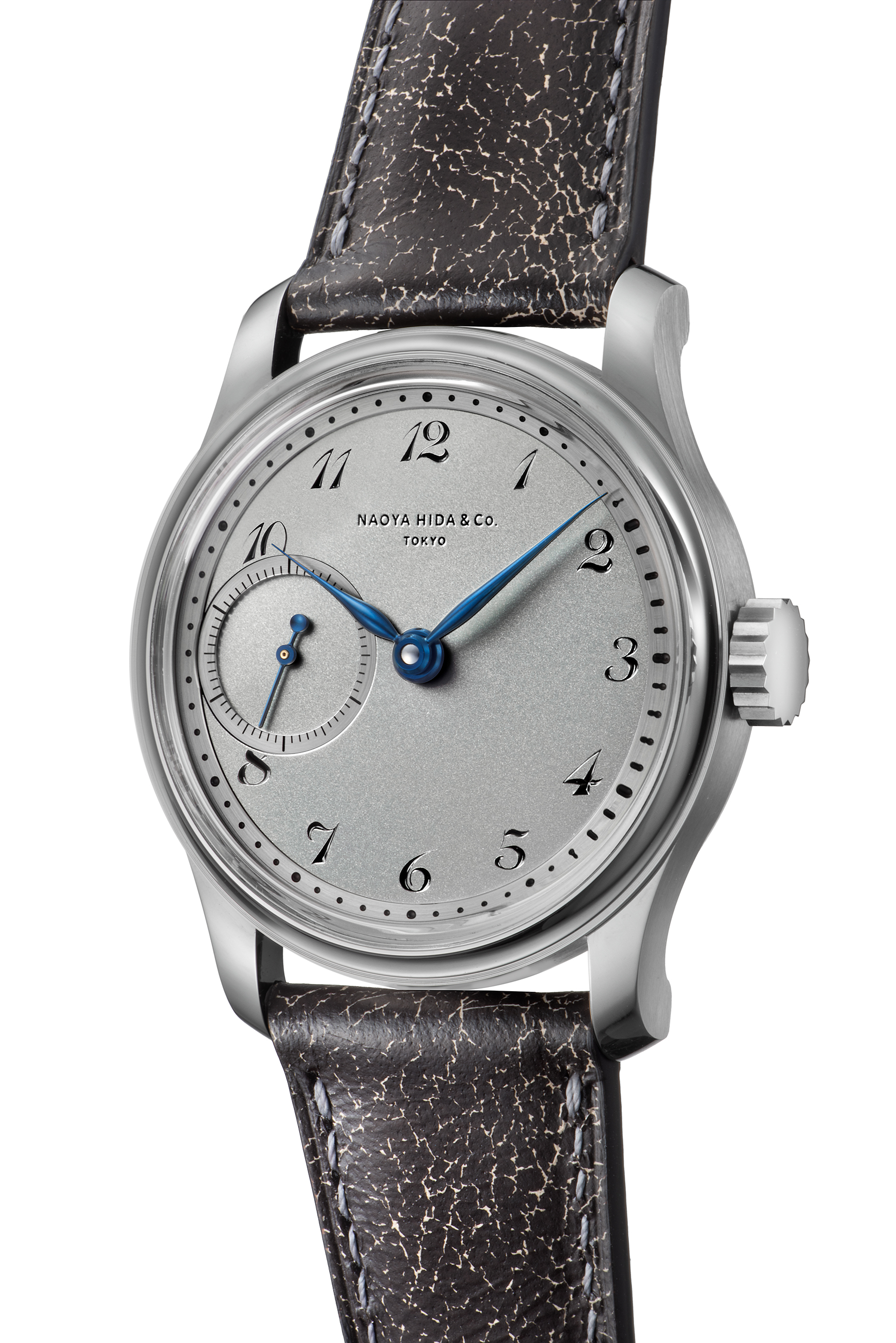
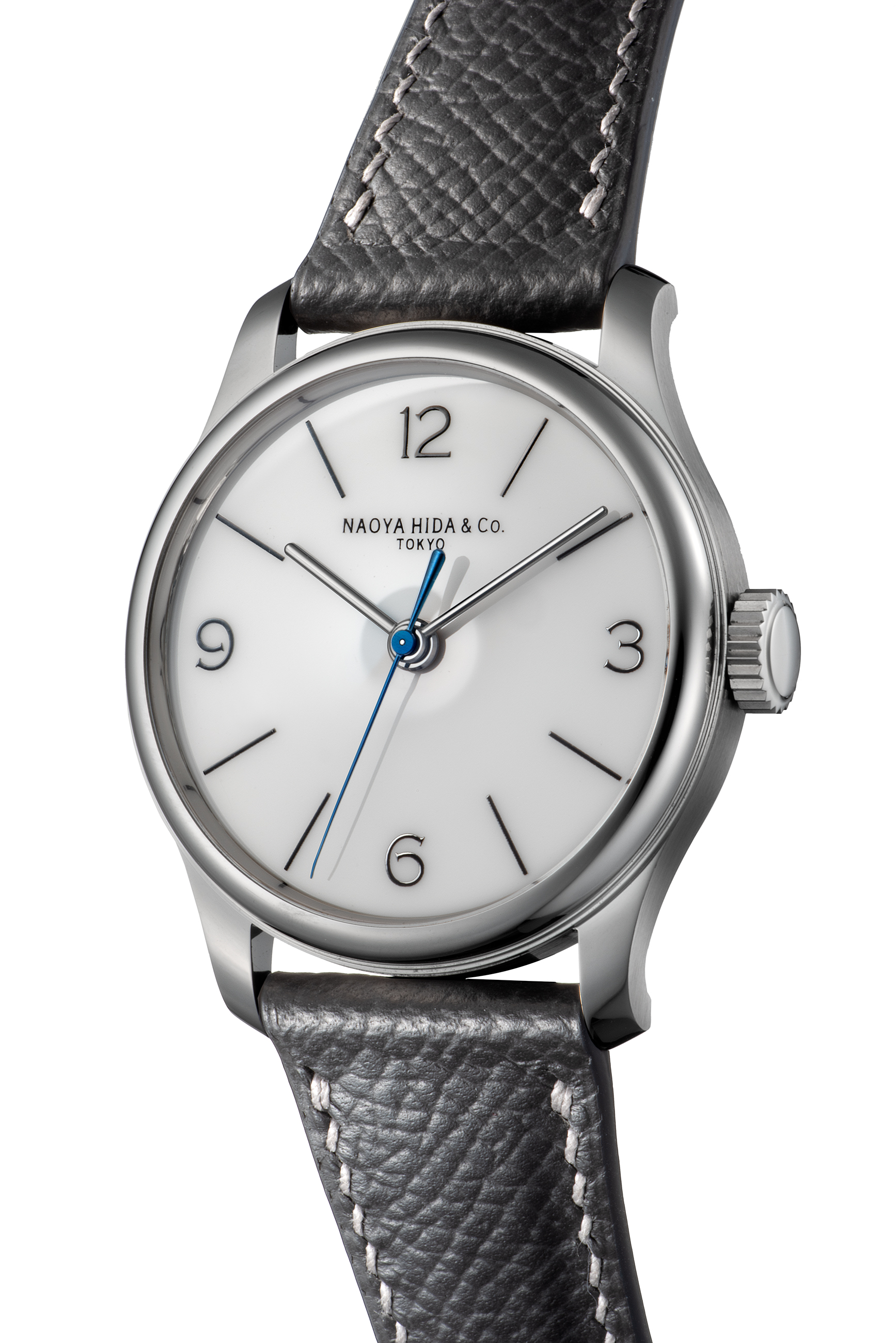
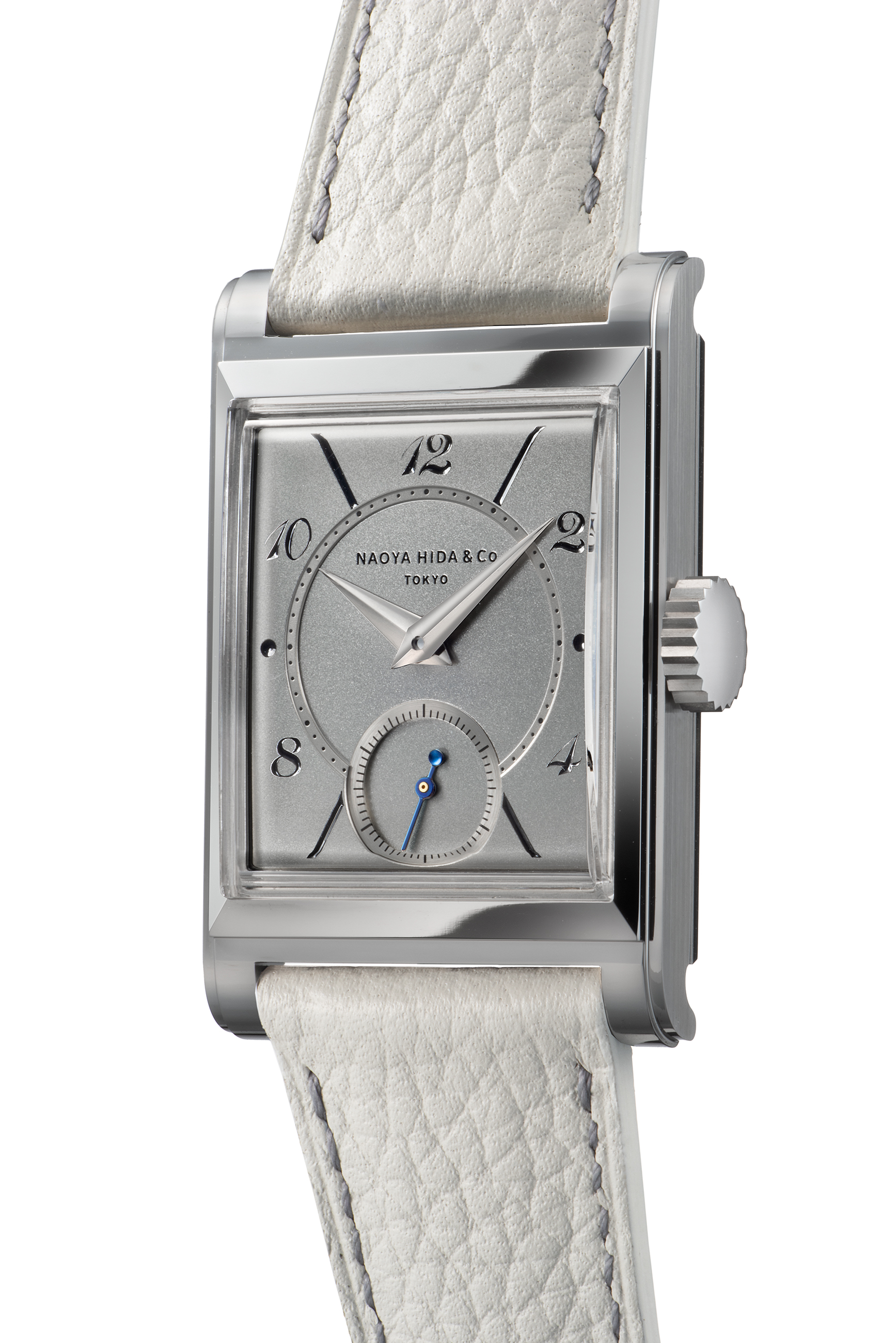
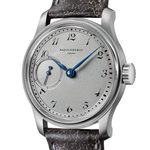
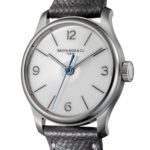
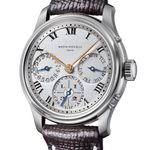
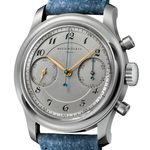
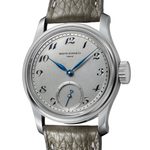
However, the attention is no longer limited to the small circle of enthusiasts who follow independent watchmaking. At Geneva Watch Days earlier this year, where the brand exhibited for the first time, Ryan Reynolds walked into the small showroom wearing a Type 3. Mr. Hida said he could hardly believe it was really him. “He was very kind and extremely knowledgeable about watchmaking,” he said. The photographs spread around the world within days. Actor Jonah Hill has also been photographed wearing a stainless steel Type 1, causing collectors online to scramble to identify the watch.
Demand followed the images. “Many more people have an interest,” Mr. Hida said, “but we can make only 20 pieces a year of Type 3.” Last year, he said, a prominent celebrity asked for a watch and was turned down. “We cannot,” he said, “because we are so small.”
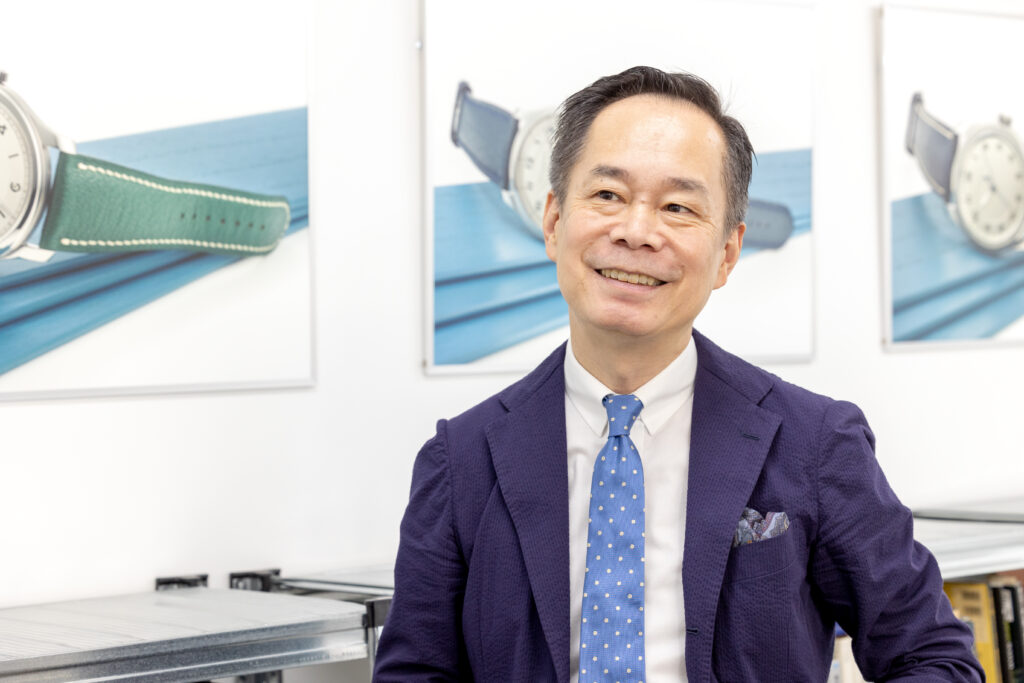
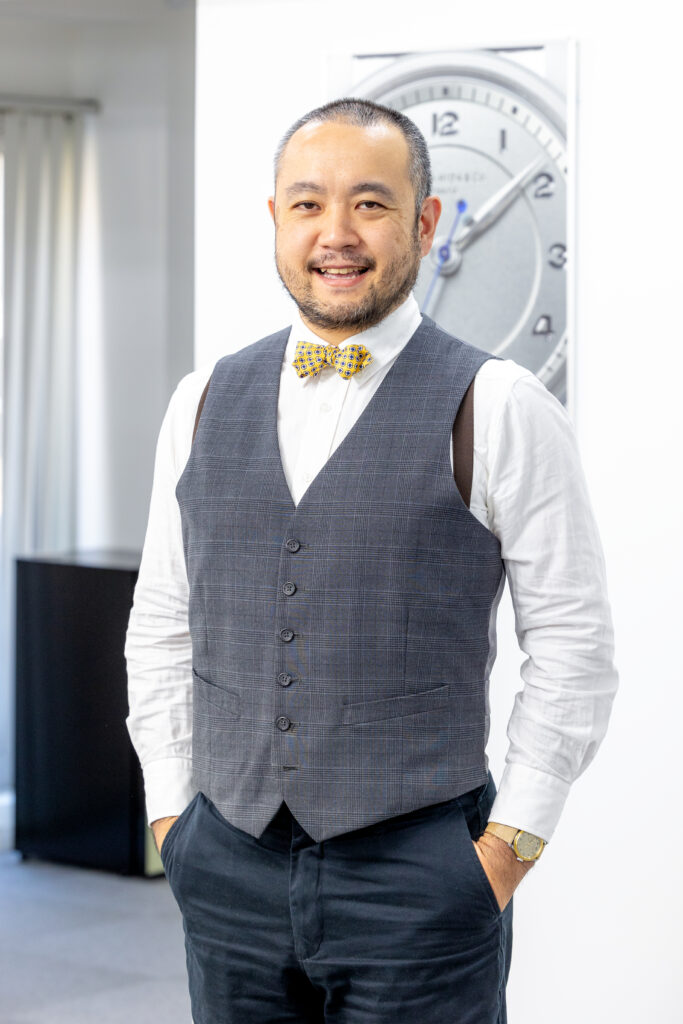
Saying no has become part of the job. Mr. Hida said the watches go to buyers who apply every year and the list keeps growing (the next application period, scheduled for May 2027, and will be announced on the brand’s Instagram account). The resale market has followed: secondhand prices now run at double the retail price or even more. In the early days, he said, the trouble was a buyer who wouldn’t pay a deposit. Now, applications far exceed what the workshop can produce.
The attention has not changed what he designs, either. “We are making the watch that I want,” Mr. Hida said. “If we listen too much to the market, our direction will change, and I don’t want that.”
The workshop, though, is unusually open. Every Friday except public holidays, it welcomes visitors by appointment, something rarely seen in an industry where makers tend to keep their customers at a distance. Mr. Hida once met each visitor privately. Now, with demand high, he receives them in small groups, an hour at a time, and bookings are taken up to two months ahead. Customers also come in on Fridays to collect their watches.
Passing It On
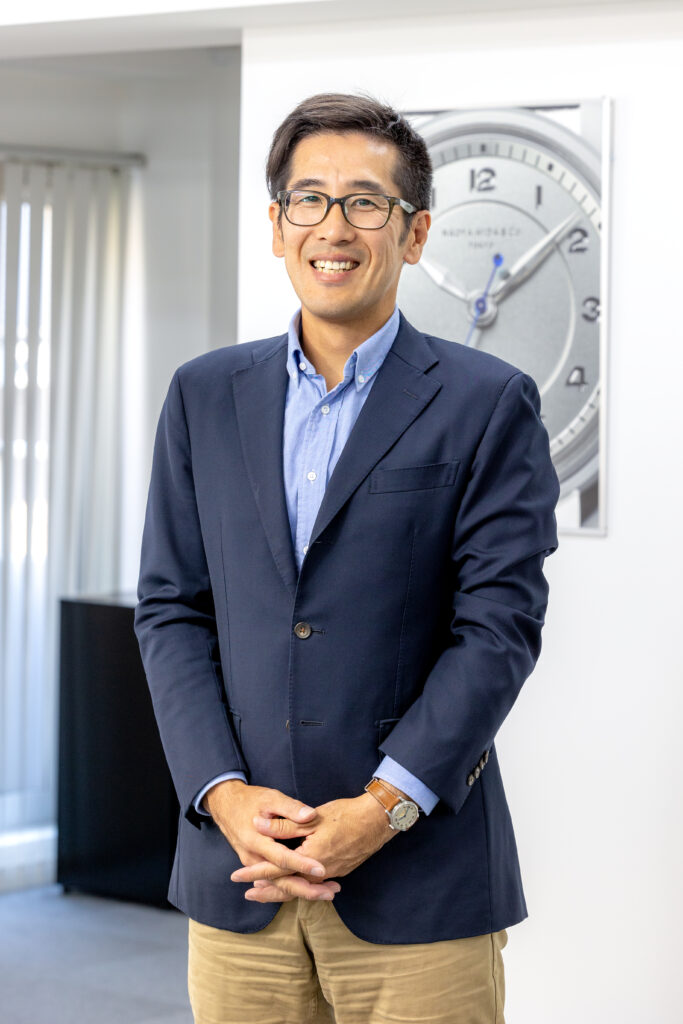
The company began with a frustration: after three decades in luxury watch sales and marketing, Mr Hida had never found the watch he wanted. “I had two choices,” he said. “Give up or make my ideal watch.” In 2018 he chose the second, teaming up with Mr. Fujita, a watchmaker he had met at F.P. Journe in Tokyo in 2007, and Mr. Kano, who worked as an engraver at Tiffany. “It turns out we all wanted to make our own watch,” Mr Fujita said.
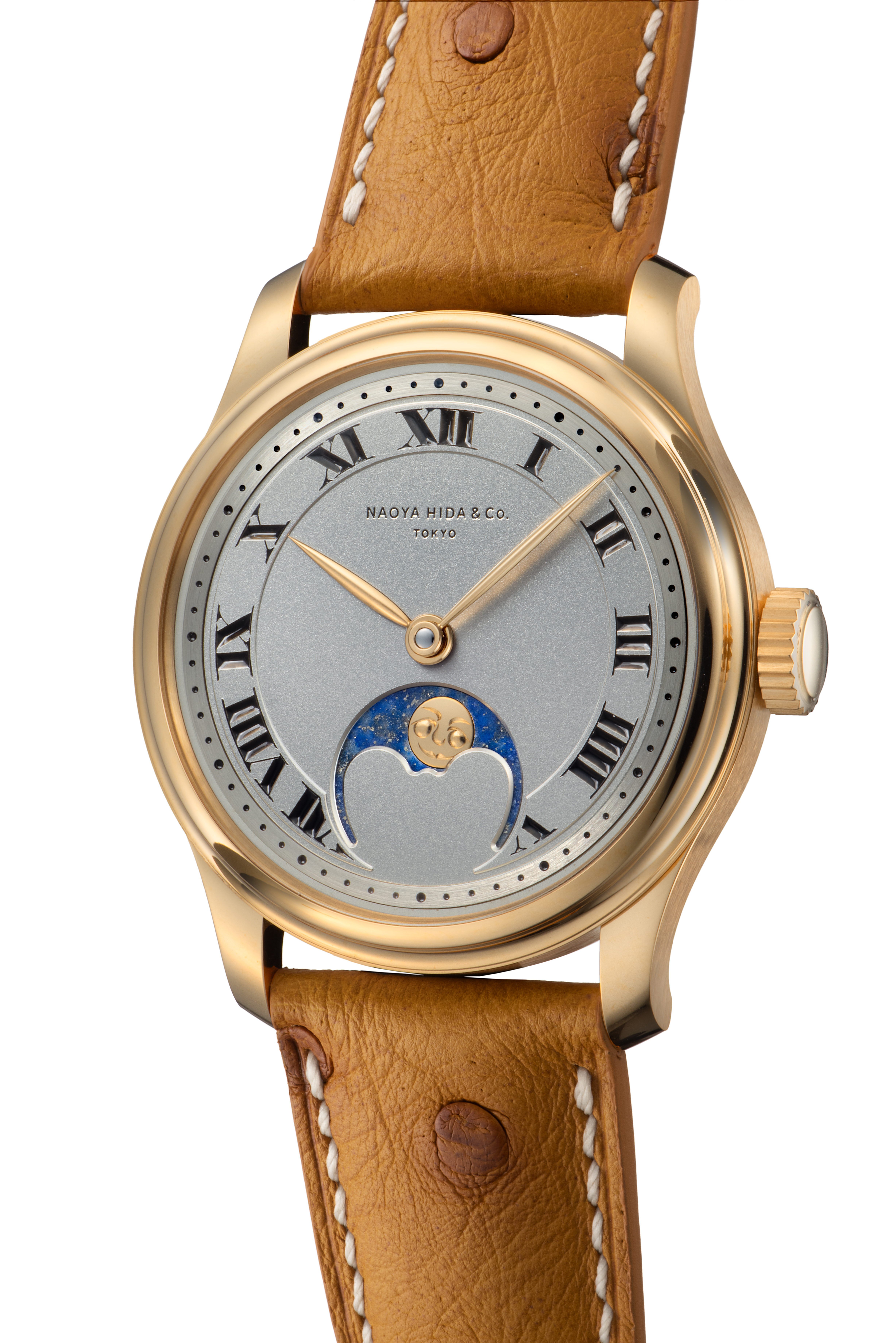
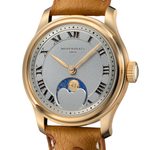
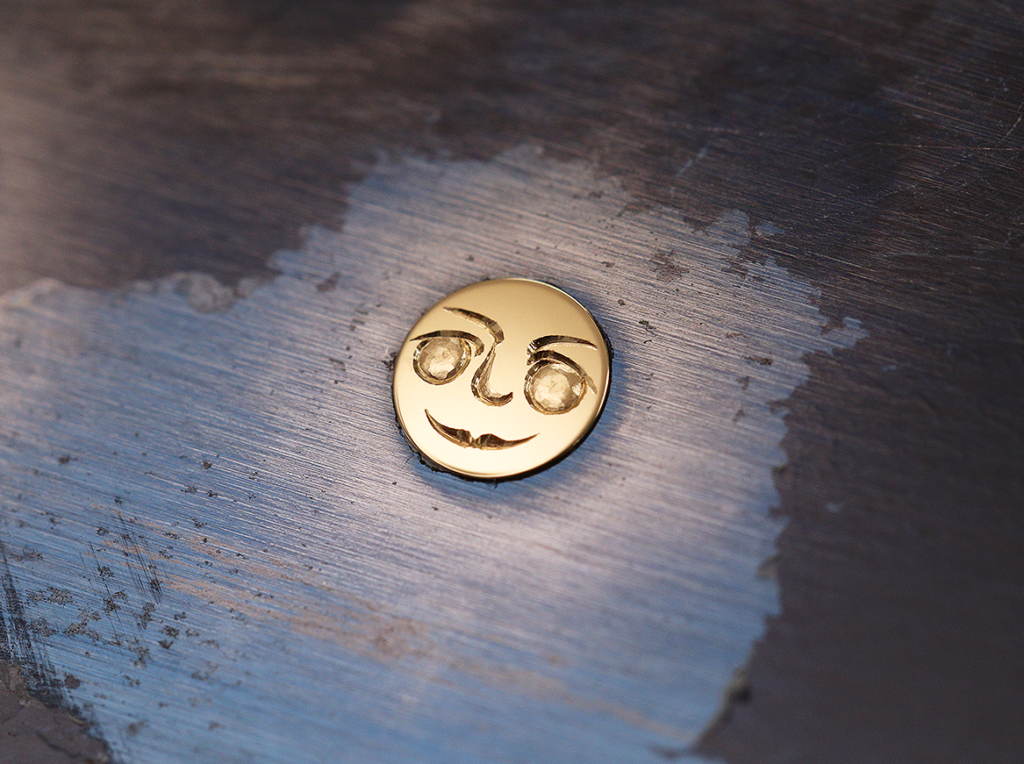
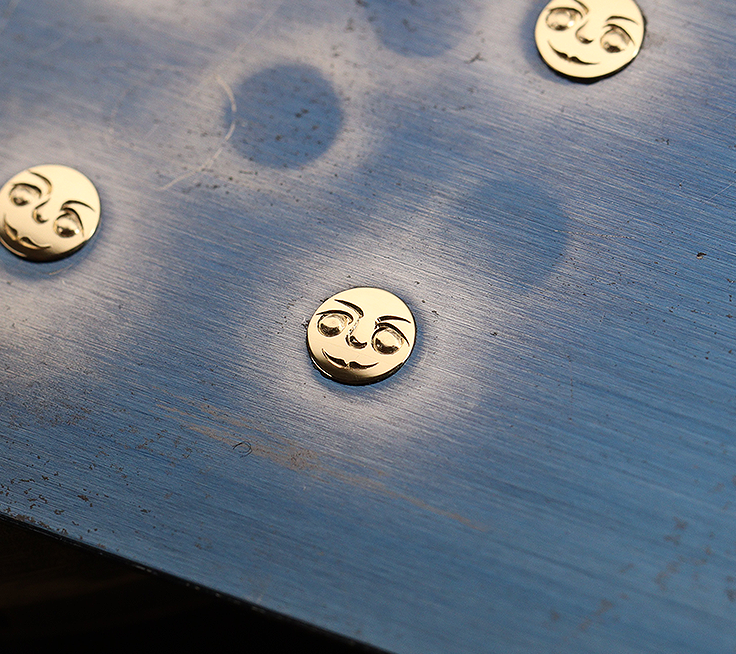
The team has also grown in layers. Two watchmakers and, this year, an engineer now work under Mr. Fujita, and two engravers work under Mr. Kano, who carves the dials’ numerals by hand and has drawn the moon faces, each sketched in pencil first, that have become a signature of the brand. The engineer, Mr. Hida said, prepares drawings and the data for the CNC machines and handles communication with suppliers. He came from the heavy electronics industry and had built watches as a hobby, and he showed up at his interview with a few homemade pieces. “I was so impressed,” Mr. Hida said. The company now sends him to evening classes at Hiko Mizuno College of Jewelery, Mr. Fujita’s alma mater, for two hours twice a week, to learn repair and assembly.
“Graduating from watchmaking school is only the start,” said Mr. Fujita, and the company wants more experienced hands. “I teach the newcomers myself, beginning with how to make their own tools and finish components,” he said. “Creativity is the one thing I can’t teach.”
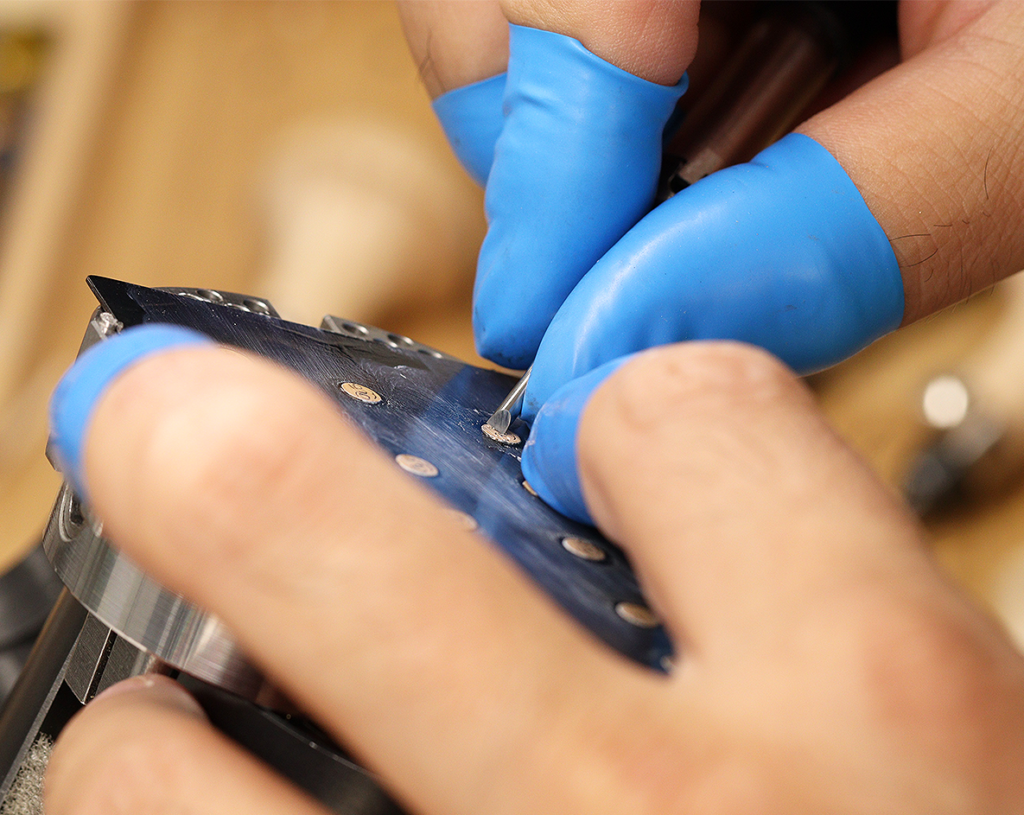
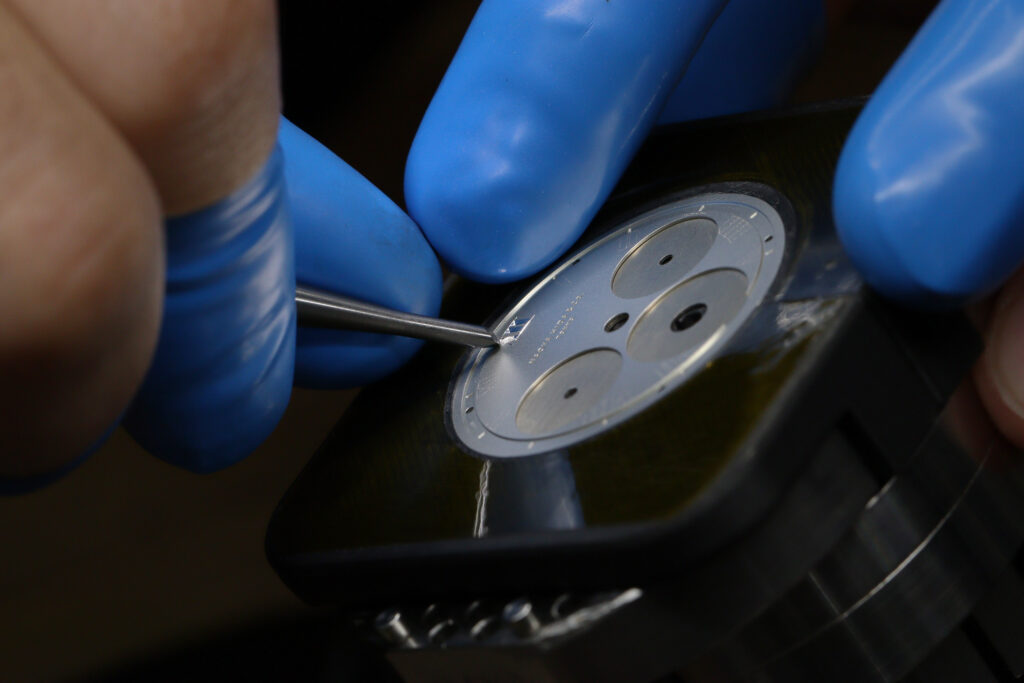
Mr. Kano’s first apprentice, hired two years ago, now engraves commercial dials, including those for the Type 1 and Type 8. “The newest apprentice has a background in Japanese calligraphy and is learning to carry that hand into Latin lettering,” said Mr. Kano. “Teaching on top of engraving is very busy, but it is very fun.”
The next hires are already planned. Starting in November, Mr. Hida said, the company will look for an experienced watchmaker to take pressure off Mr. Fujita, who is developing new models while teaching and handling suppliers. By Mr. Hida’s count, he has 132 ideas for new watches waiting, and Type 9 is expected next year.
Mr. Hida has no interest in becoming the other kind of watch company, the kind with a gleaming manufacture, glass walls and rows of watchmakers on display. Scaling up tenfold or a hundredfold would mean “another totally different business field,” Mr. Hida said, with a factory, a thousand workers and an international marketing director. “I have been there already in my career,” he said.
The ideas, as always, outnumber the hands. Mr. Fujita said he would like to make something inspired by the style of George Daniels, the legendary English watchmaker he had the chance to meet on the Isle of Man in 2006 while he was a student. When I inquired about making a pocket watch, Mr. Hida said he indeed already has an idea. “But the problem,” he said, “is that we have so many ideas.”