How the utilitarian style of the pass-through strap turns watches back into tools
You, just like me, probably have a habit of constantly glancing at people’s wrists, searching for someone who might share your interest (or obsession). It’s a little bit like seeing someone wearing a t-shirt from your favourite band, although maybe slightly nerdier. When it comes to watch spotting there is one thing that always catches my eye first, and that’s the strap.
I actually think the strap bears more expressive weight than the name on the dial. The strap shows intention and personality beyond the watch. I’ve found this to be especially true when it comes to the pass-through. Maybe it’s just me, but if I see someone wearing a pass-through I’m immediately intrigued and feel a connection with that person. It makes me want to ask why, and depending on the case it’s strapped to, I’ll have even more questions.
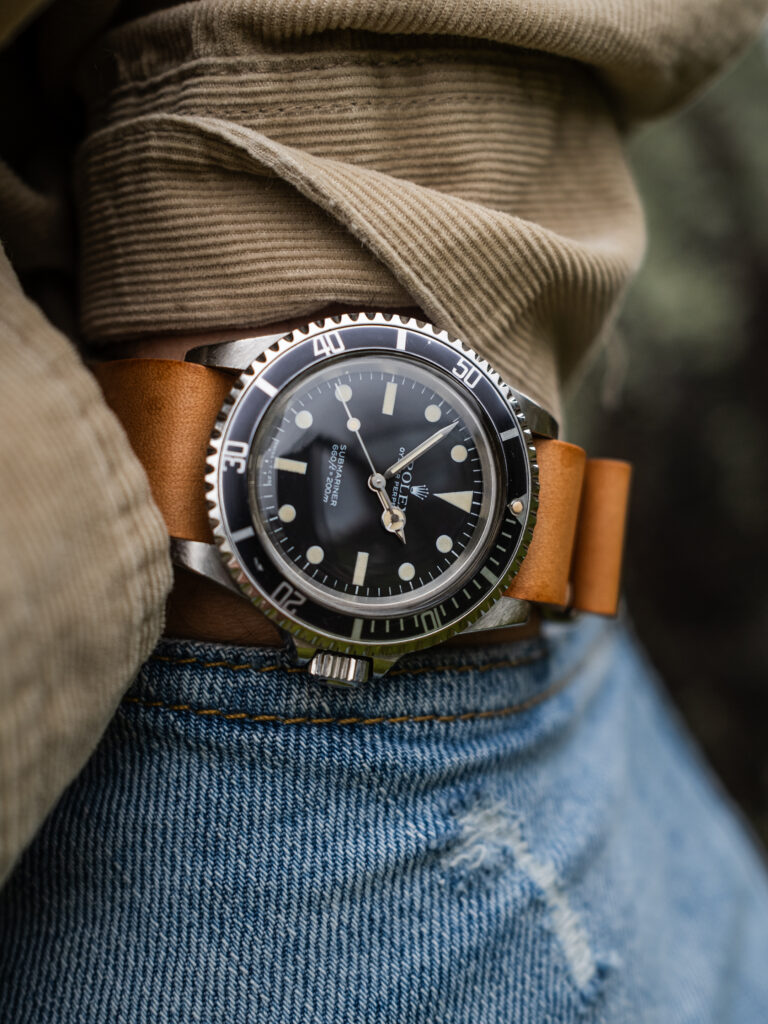
I’m likely not alone when I say that my relationship with straps is complicated, especially when it comes to OEM straps or bracelets. These are sometimes incredible and sometimes the absolute opposite of incredible, making you question whether they forgot about the strap when they designed the watch in the first place. However, there are exceptions where the strap or bracelet is not an issue. Take a four-digit Rolex Submariner with the solid 93150 bracelet, for example. That’s a combination that’s close to perfection and damn hard to beat, at least for me personally. It’s comfortable, beautiful and iconic. A bit like an old Porsche on Fuchs wheels, it’s just meant to be. Swapping out the near perfect Oyster bracelet for a much simpler and more utilitarian pass-through is not an easy or obvious decision. It’s a decision that minimises the luxury and maximises the intention.
So why do we do it?
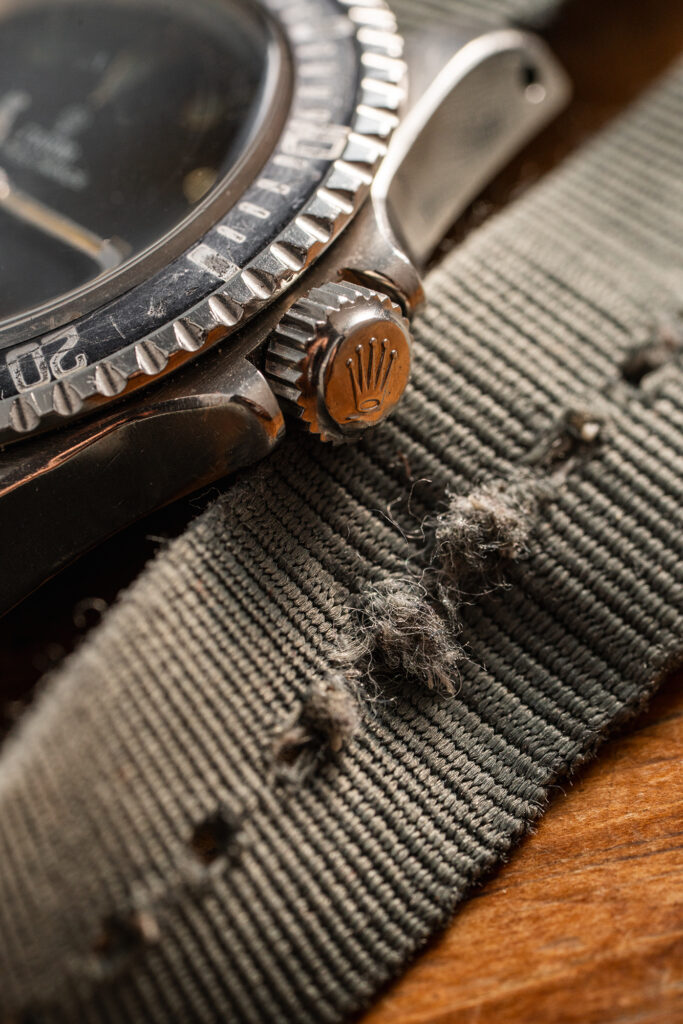
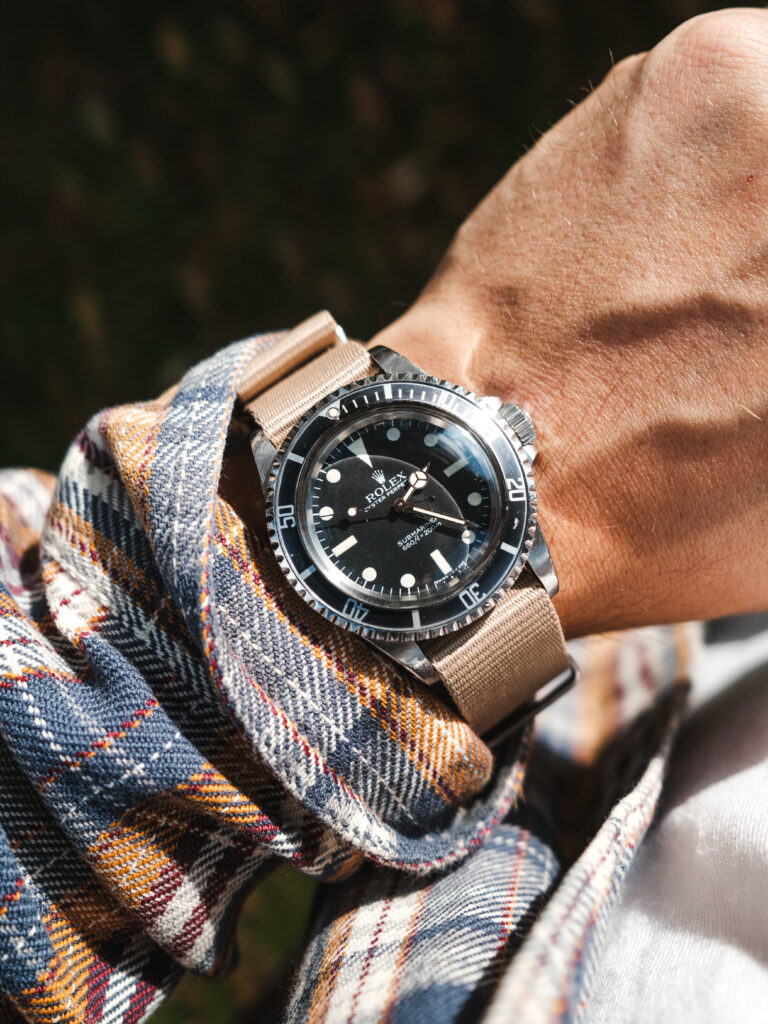
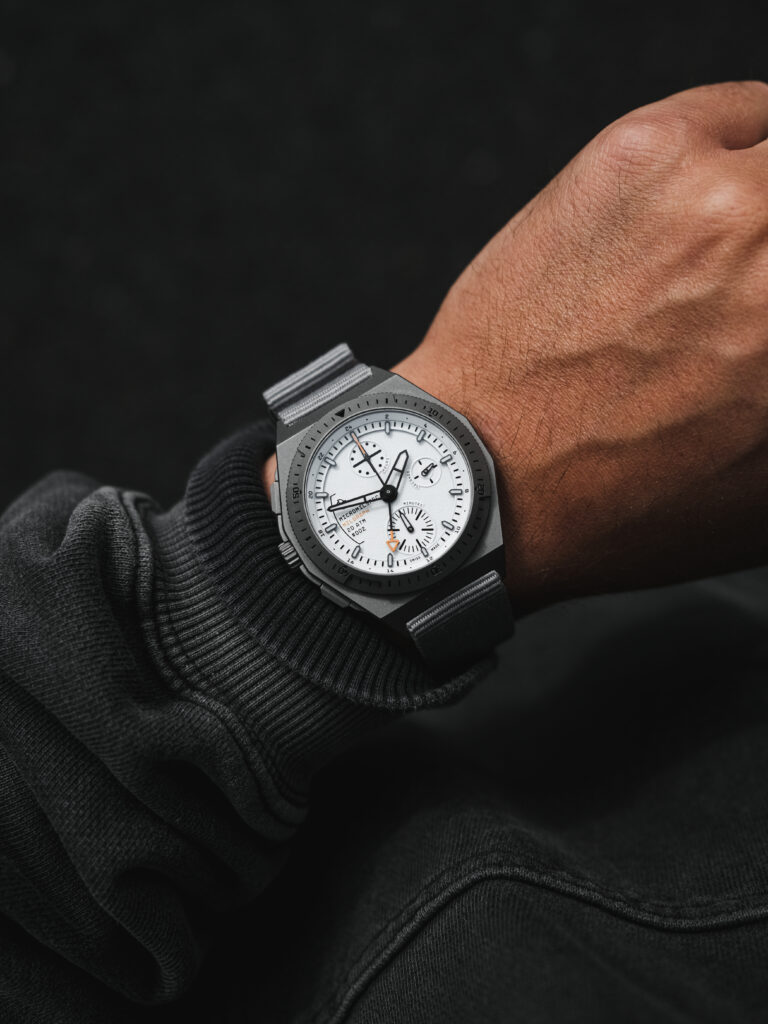
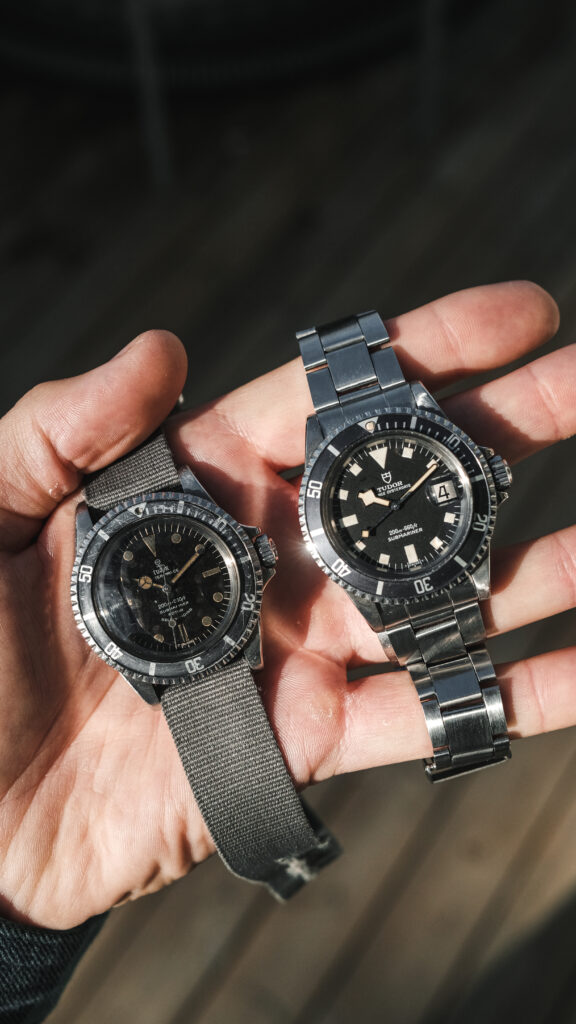
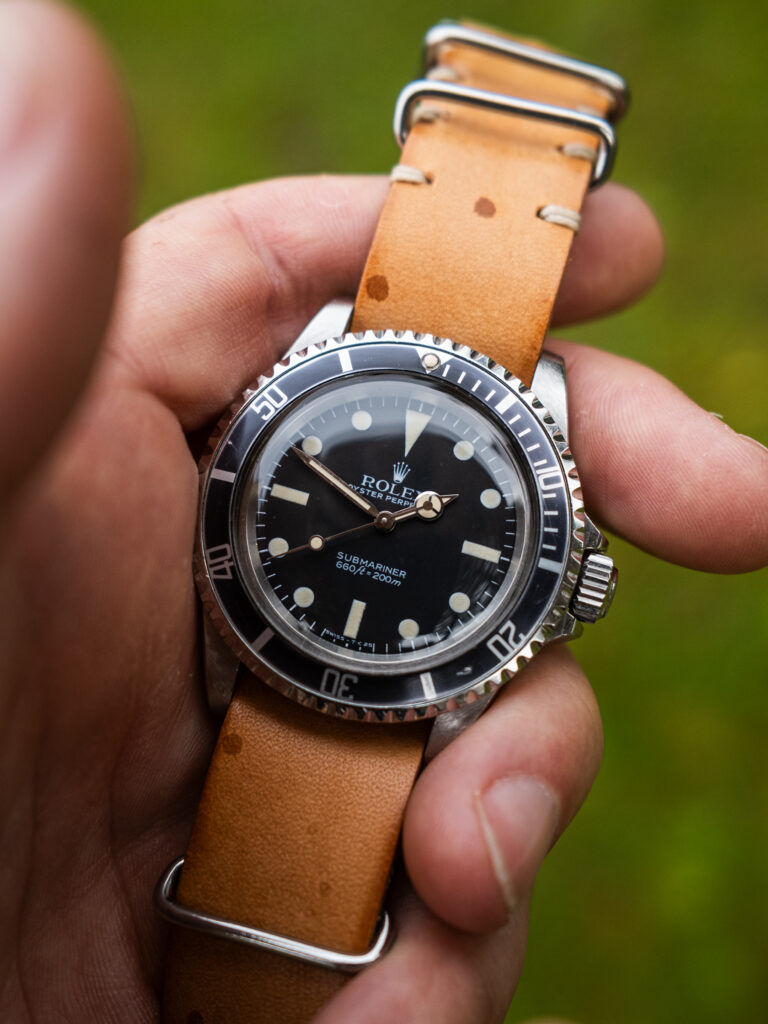
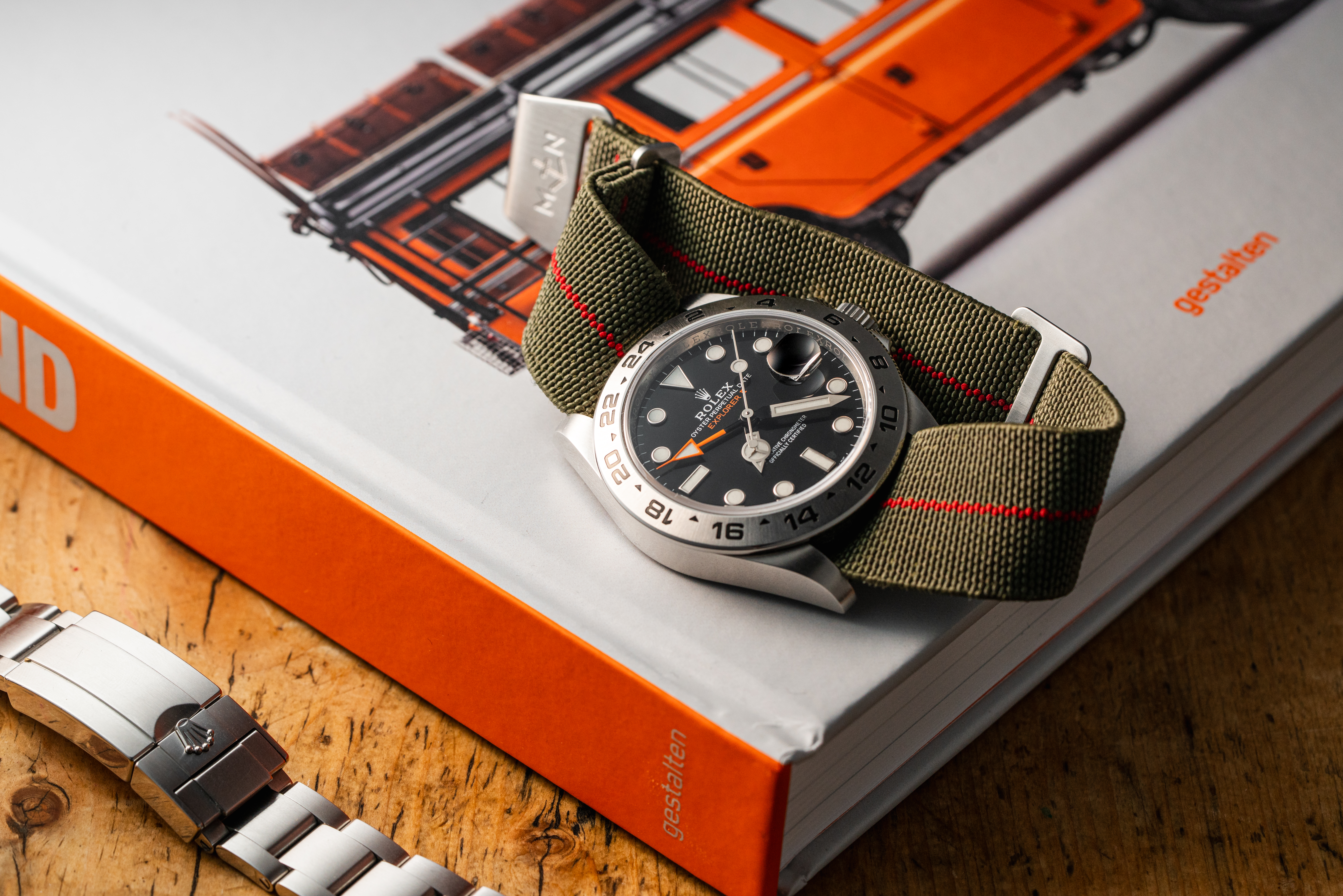
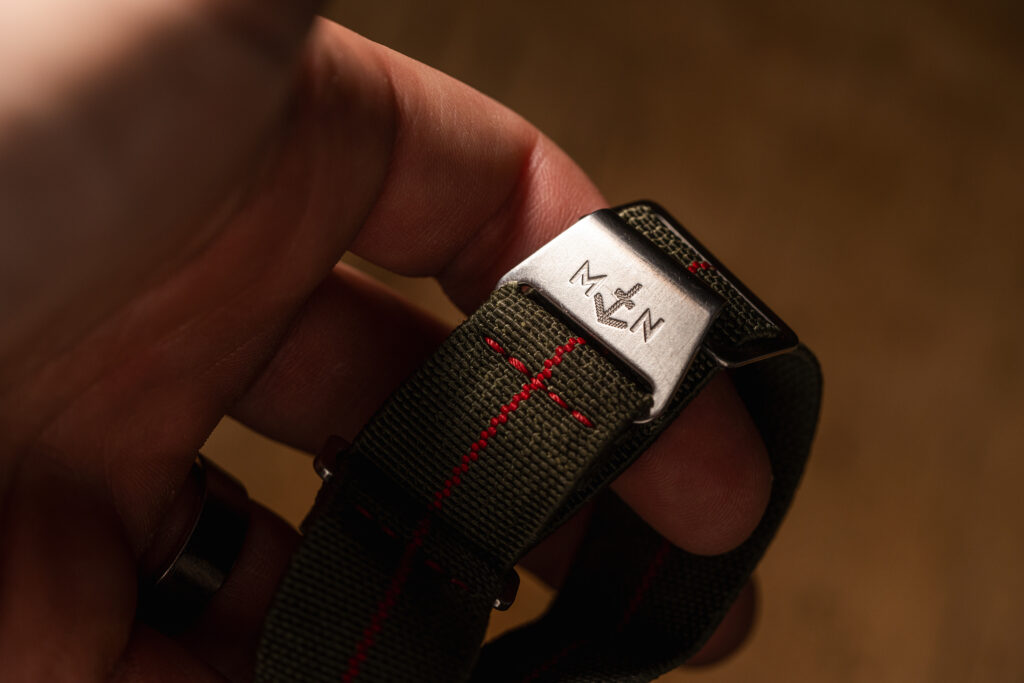
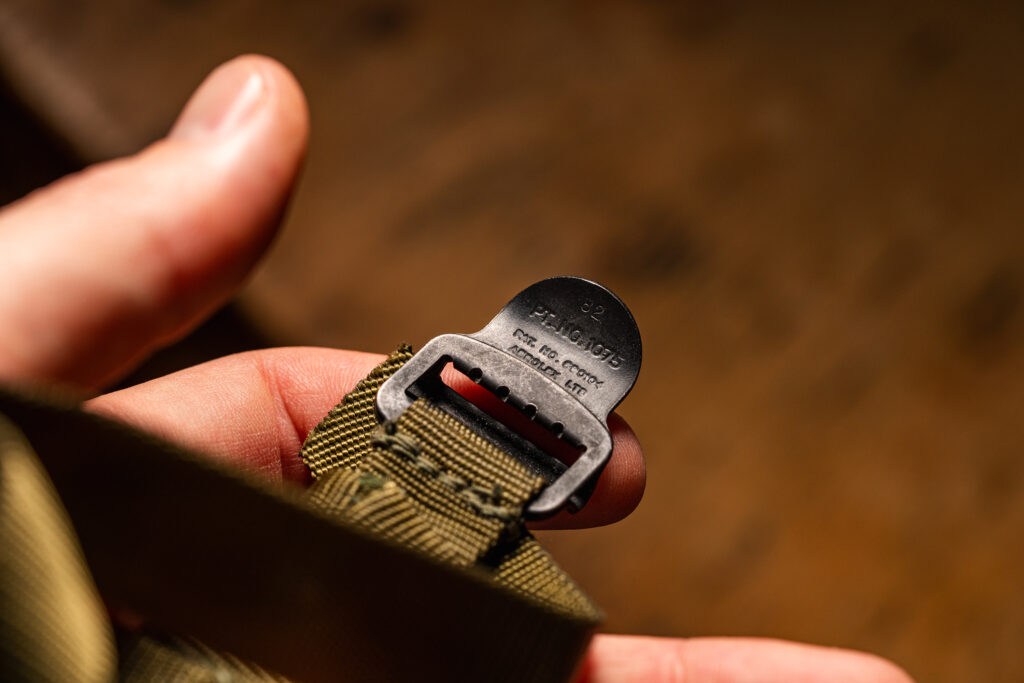
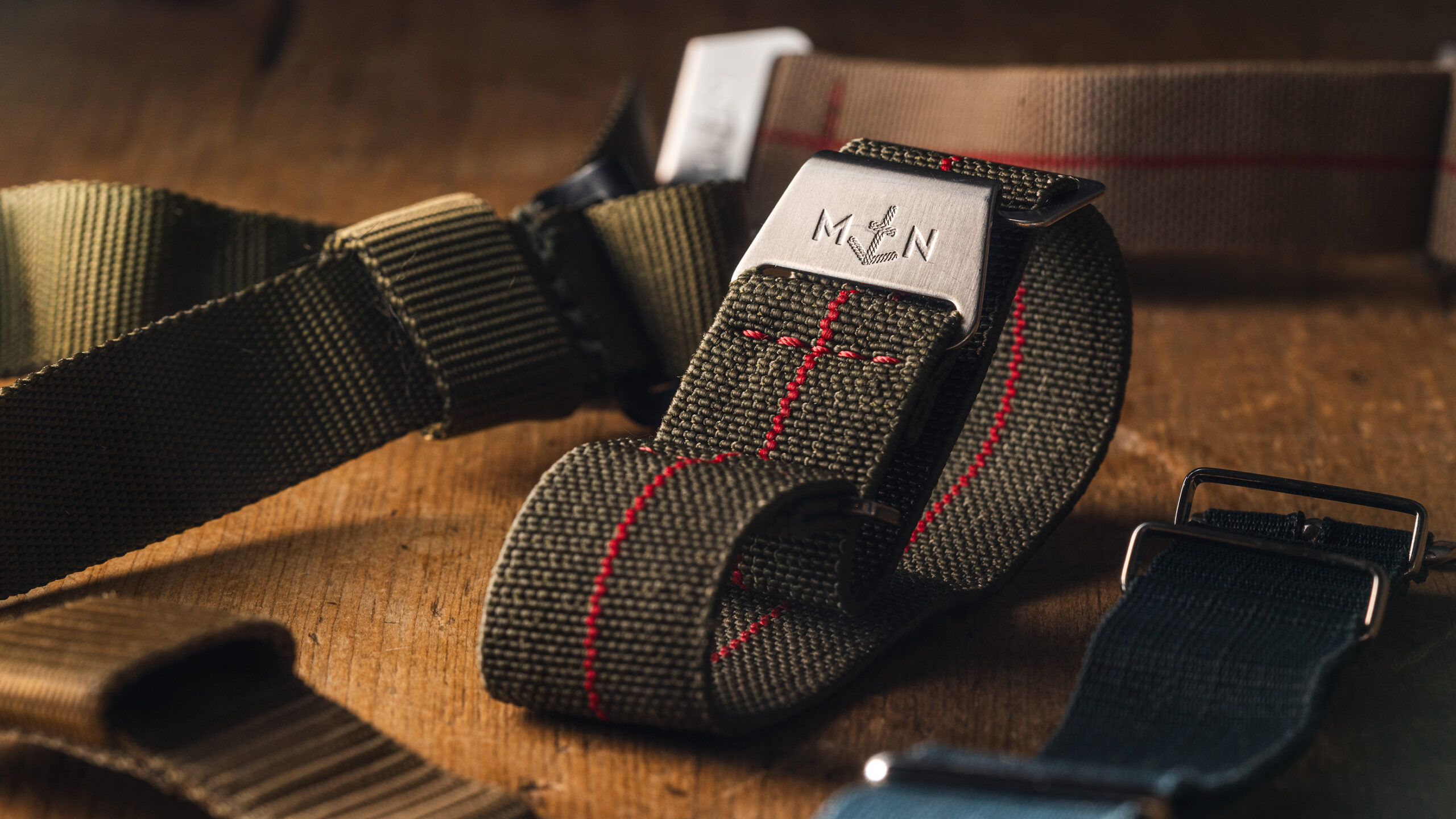
Of course, there are practical reasons for doing it. Comfort, personalisation, or simply the absence of the original bracelet on a vintage watch. But I think there’s something more to it than that. The pass-through is more than just a replacement strap; it’s actually a bit of an icon. Its iconic status comes from a history going back to the birth of wristwatches over a century ago, with military-spec watches featuring fixed bars contributing to the development of straps such as the A.F.0210 and NATO, as well as the elastic straps associated with the Marine Nationale. This gives the pass-through a stronger personal identity separate from the watch, something other straps may struggle with. It’s not that other straps can’t be fantastic, add personality or change the characteristics of a watch. They absolutely can – but they’re also more generic by default.
What a pass-through strap does to the overall look and feel of a watch is something quite unique. Its history, simplicity and utilitarian design can make a mundane watch look interesting and a luxury watch look like a piece of hardware. The pass-through takes the back seat and peels away all the unnecessary layers, exposing the watch for what it actually is: a tool to tell time.
It’s not the most obvious or conventional strap. So, whenever I see someone wearing their watch on a pass-through, I see someone who is interested enough in their watch to make a very intentional strap choice. It doesn’t just change the look of the watch; it sends a message. If we go back to the four-digit Rolex Submariner on the Oyster bracelet and compare that to the exact same watch but on a pass-through, we have two very different watches. One that is obviously made to be used and one that is actually used. That’s the power of the pass-through.