
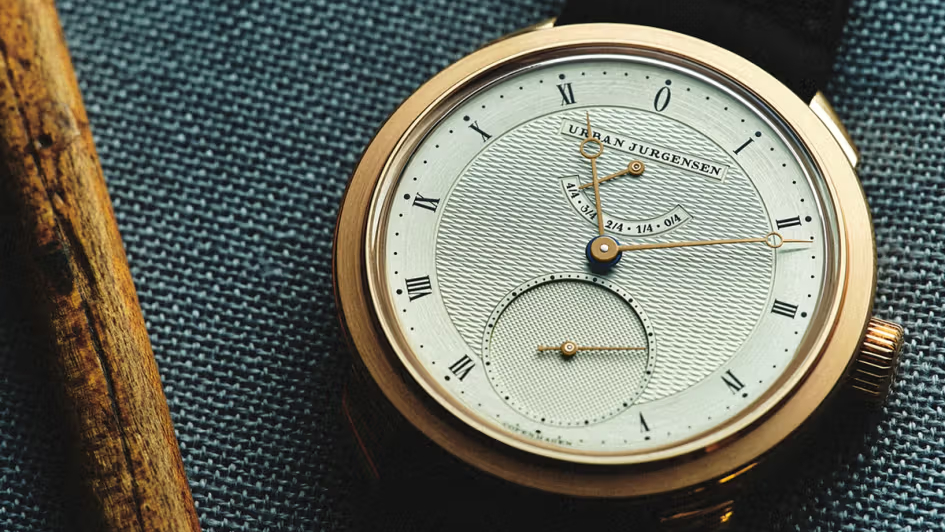
Alex Rosenfield on reviving a 250-year Swiss-Danish legacy with a glamorous LA backdrop
“I want people to connect with what Urban Jürgensen is and what it does emotionally rather than just connecting as consumers,” says CEO Alex Rosenfield in a Zoom call from New York, with me in a Genevan hotel room. Our conversation took place exactly a year after I got a late-night WhatsApp quote from Rosenfield on the eve of the 2025 GPHG awards, a.k.a. the watch world Oscars. Then, Urban Jürgensen has just taken home the Men’s Complication prize for their debut UJ-2. It was an auspicious start, and I wanted to find out how the first full year of (re)existence was going.
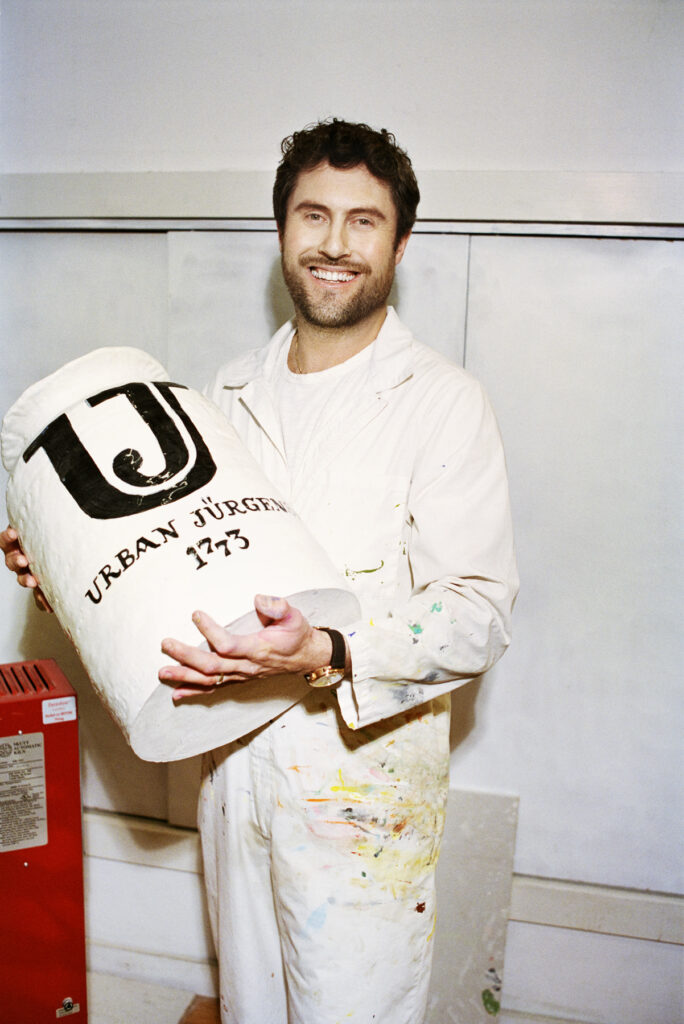
From Niton to Universal Genève, the Swiss have bombarded us with news of reborn legacy brands over the last couple of years. But none have arrived with the eye-opening blend of Californian charm, gritty, artful photo shoots and decades-deep heritage as Urban Jürgensen. Originally a Danish maison founded in Copenhagen in 1773, it was revered for its grand feu enamel dials, Breguet-style hands, and rare pivoted detent escapement. Despite long-time involvement by the award-winning Kari Voutilainen, the brand had faded out before the American Rosenfield family stepped in. Andrew Rosenfield, a serious collector and finance figure, bought the brand in 2021 and handed its future to two men from two opposite worlds. Kari Voutilainen grew up in Finland before becoming one of Switzerland’s most admired independent watchmakers, and was tasked with leading the design and watchmaking, while Andrew Rosenfield’s son Alex, a fashion and media executive, was named co-CEO and tasked with building the reborn brand around it.
“We acquired the company in 2021 and didn’t relaunch it until 2025,” says Rosenfield. “So there was a very long stretch where we were an ideation and a development company.” According to Rosenfield, it wasn’t until the tail end of that period that the team grew, and Kari was running an atelier rather than himself and his daughter, Venla, doing most of the work. “It was really just such a different company, he said, adding” we also were doing everything quietly and we didn’t want anybody to see anything.”
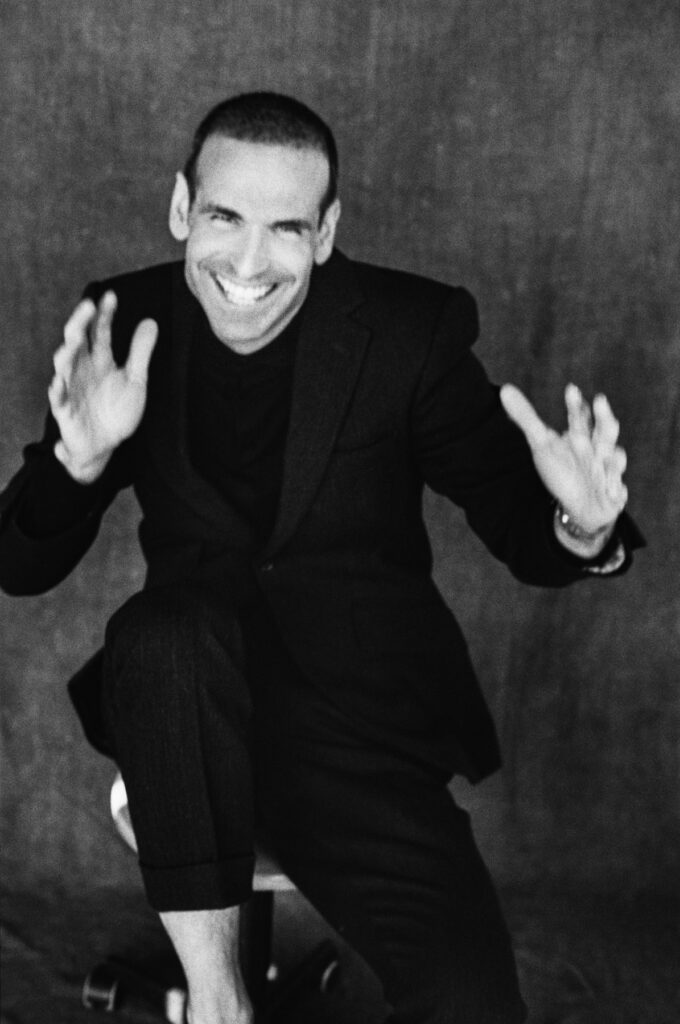
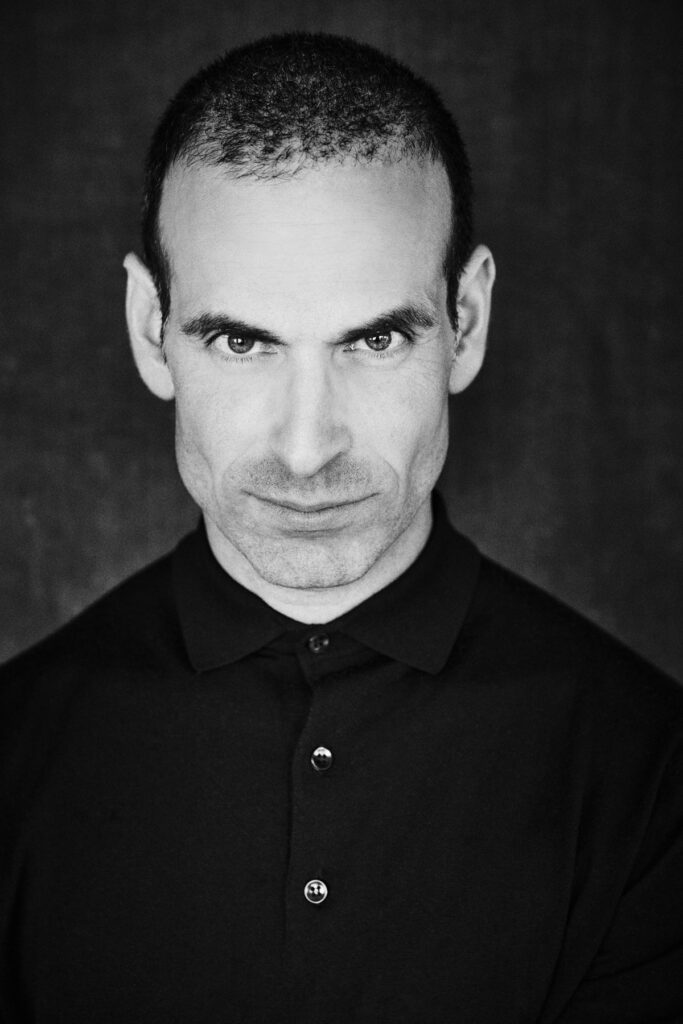
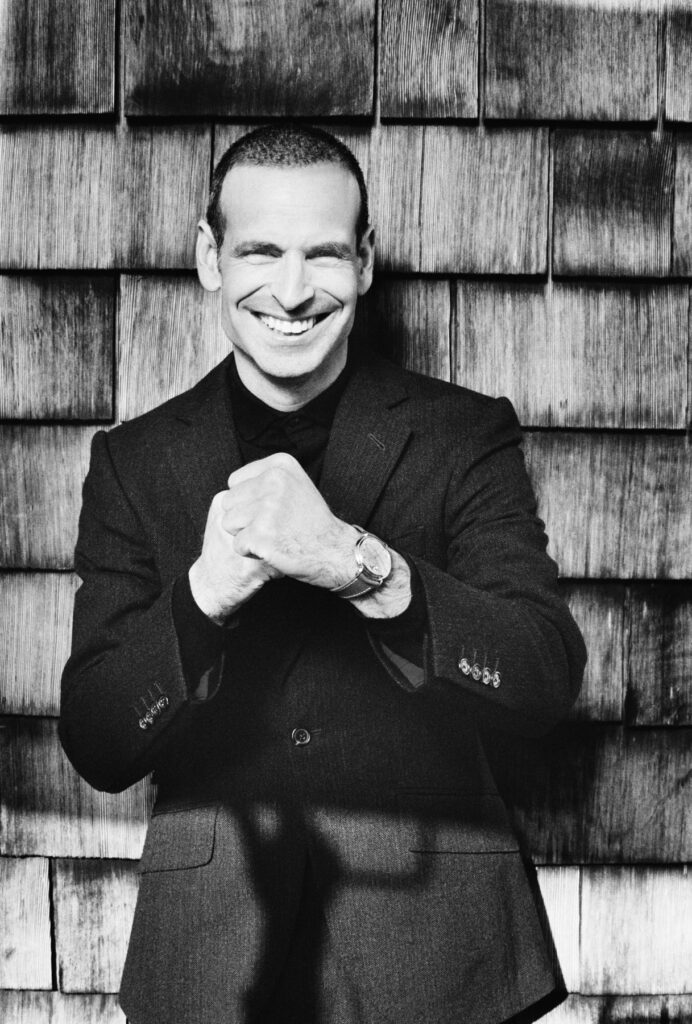
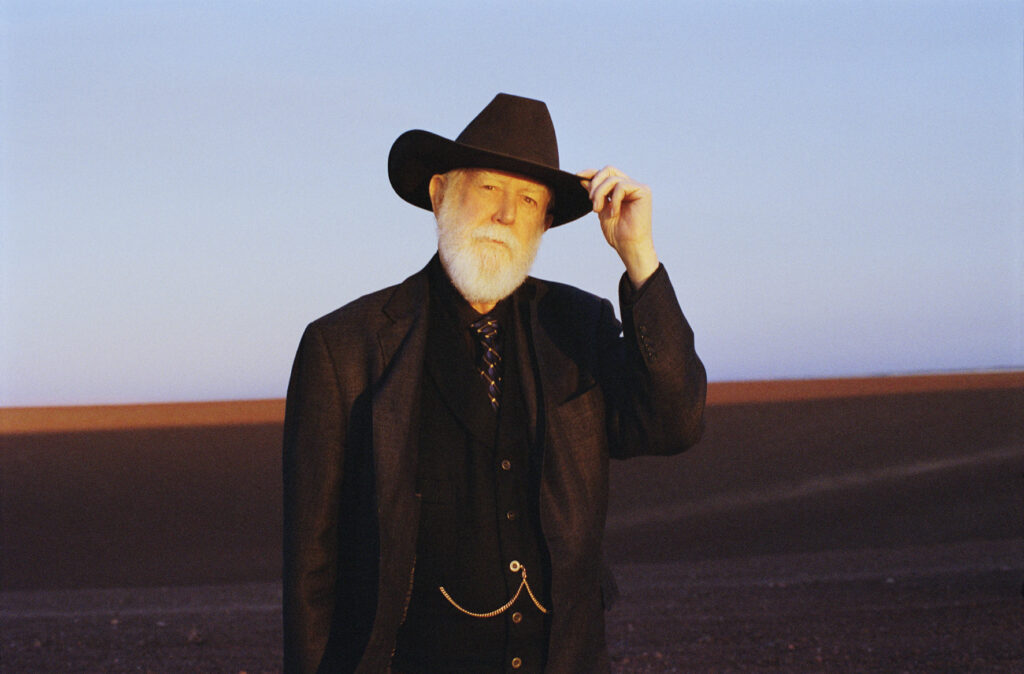
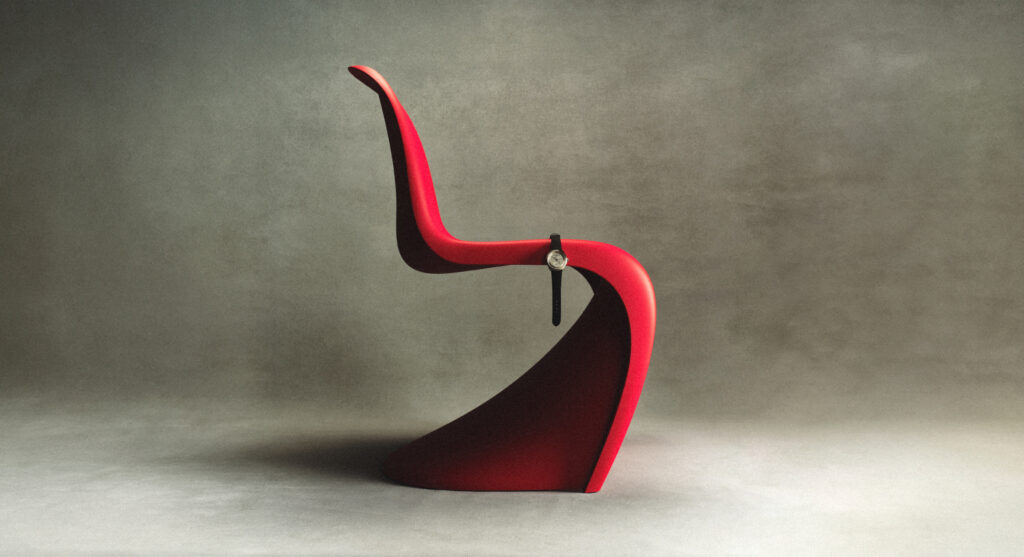
The 2025 relaunch encompassed three in-house models, the UJ-1, UJ-2 and UJ-3, the last with an Andreas Strehler moon-phase accurate for 14,000 years. They appeared not with the traditional and quietly spoken reverence of high horology but with something looser and warmer. Collectors were served tongue-in-cheek images of Scandinavian life, fish, surreal still lifes, a watch-collared dog called Lug, and the “Time Well Spent” portrait series shot by the celebrated fashion photographer Ellen von Unwerth. The latter placed less emphasis on the watches themselves, focusing instead on the likes of light-and-space artist James Turrell at his Roden Crater.
To older collectors of the brand, this was a world away from glossy catalogues with razor-sharp macros of tourbillon construction, but haute horlogerie told in the visual language of a fashion house. It felt alien, fresh, but deliberately so and free of the traditional constraints of homage. And I would say, with the inclusion of ambassador and co-investor Timothèe Chalamet, a hitherto unknown path to the eyes of Gen Z collectors.
With the first full year of leading a working Manufacture behind him, and having taken sole CEO duties as of December 2025, Rosenfield is still a newcomer in an industry that views 40-year-old brands as recent additions. But he has opened the eyes of the Swiss establishment and changed how we expect a campaign to be run. Today Urban Jürgensen has grown substantially, after the 2025 launch necessitated a higher gear. “It was an abrupt and remarkable change to suddenly be an operating company, to be dealing with collectors, to be growing our team, to be growing our physical presence,” says Rosenfield.
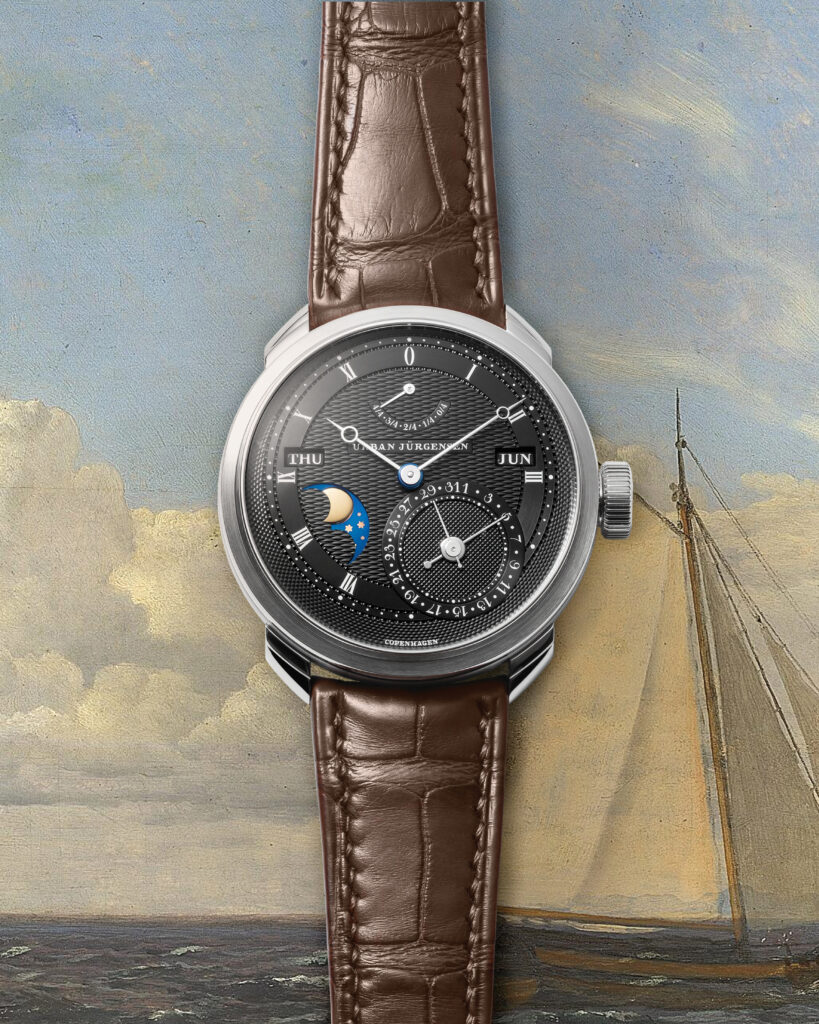

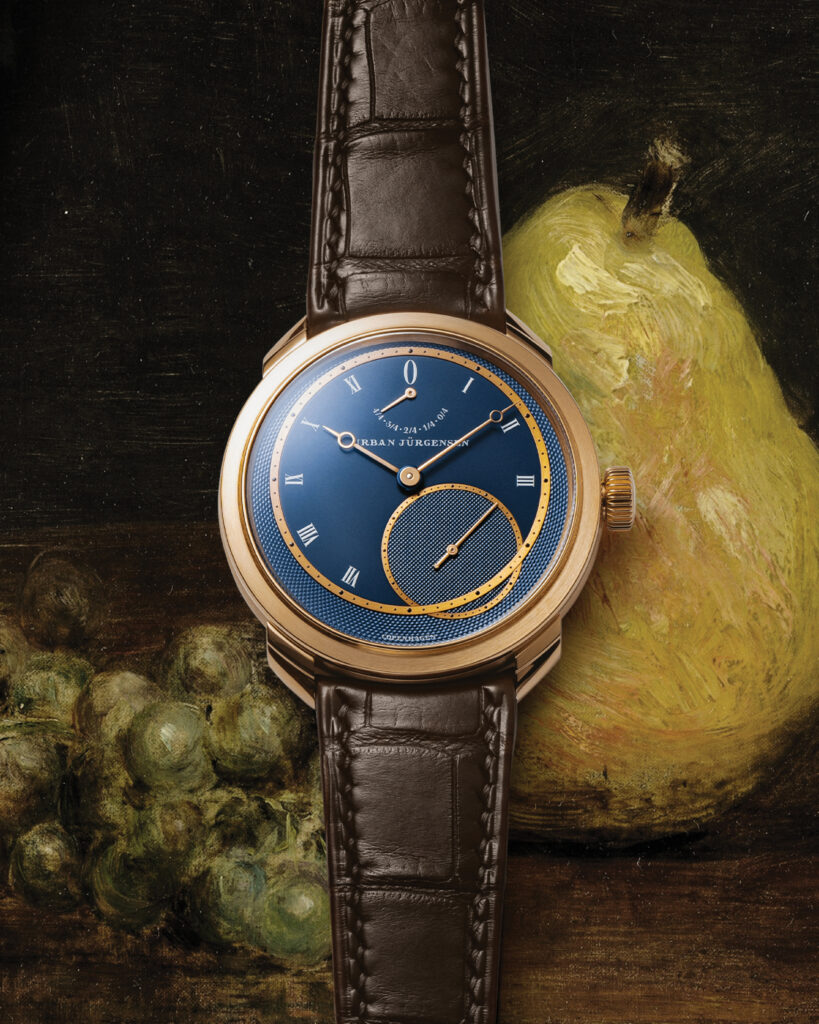
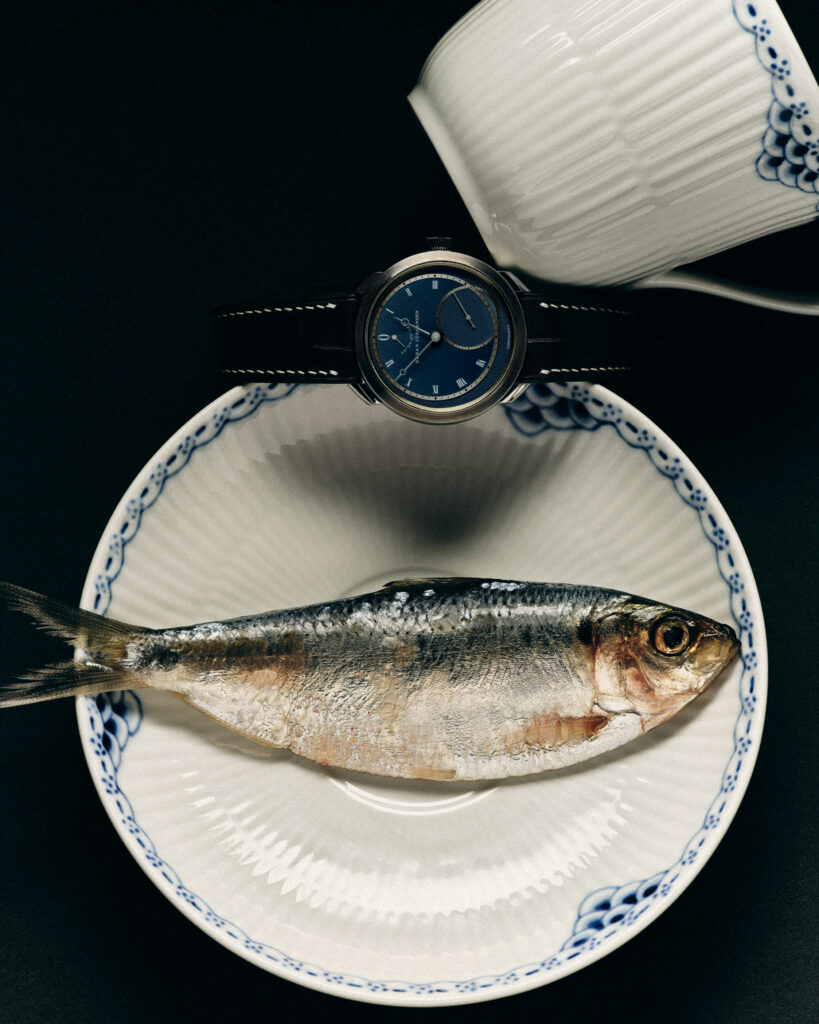
“We acquired the company in 2021 and didn’t relaunch it until 2025. So there was a very long stretch where we were an ideation company, and we were a development company. And it really wasn’t until the tail end of that period that the team grew, and Kari was really running an atelier rather than mostly himself and Venla. And it was really just such a different company. We also were doing everything quietly, and we didn’t want anybody to see anything. We didn’t want much attention on it until the right moment. So it was sort of an abrupt and remarkable change to suddenly be an operating company, to be dealing with collectors, to be growing our team, to be growing our physical presence. “
According to Rosenfield, Urban Jürgensen today comprises about 40 people, and has one more decorator and three more watchmakers than it did a year and a half ago. “As well as now having logistics, prototyping and engineering, things that just weren’t part of the company at the start,” he adds. “We also have an entire sales team, and the marketing team has grown. I think we learned that we really want to do things in-house and be very thoughtful about how we do them.”
But we’ve grown substantially in that area. We have logistics and prototyping and engineering and things that just weren’t part of our company; we have an entire sales team, and the marketing team has grown. I think we learned that we really want to do things in-house and be very thoughtful about how we do them.
It is clear that Rosenfield has grown into an industry he came to as an outsider, as well as guiding fast but necessary growth for the team. “The first four years were so much about ‘what will Urban Jürgensen be?’,” he says. “The last year has really been about how we get organised, get the team together, have the focus and discipline we need to do things the way that we want to going forward, “ says Rosenfield. “This has been fun, but there has been a lot of background work. And I feel like finally we have most of those building blocks in place and we’re starting to see the fruits of it coming out of it.”
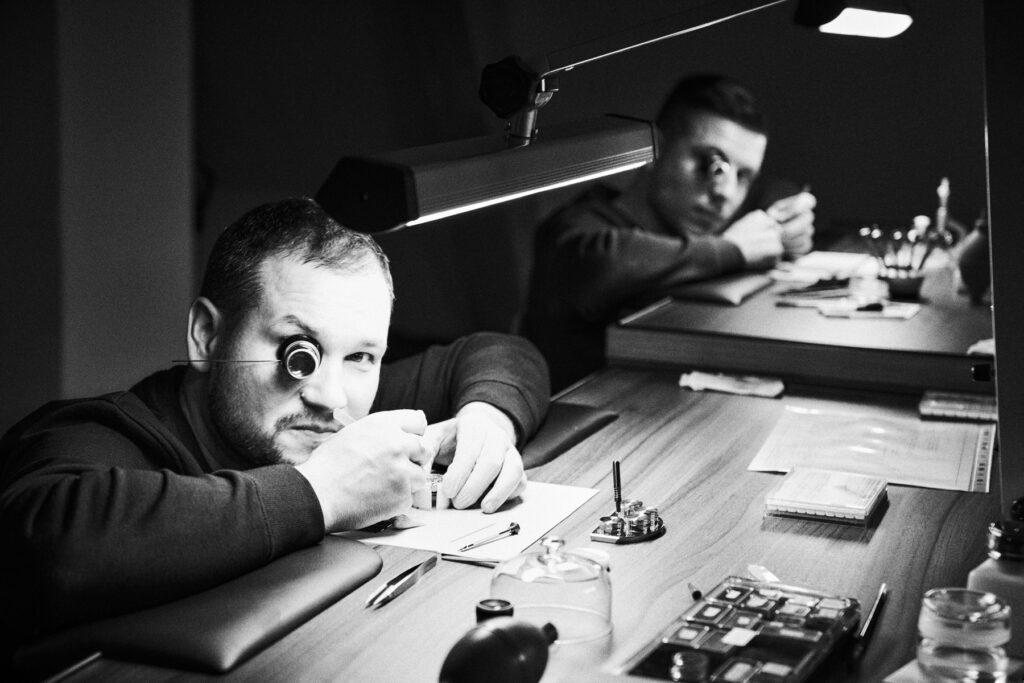
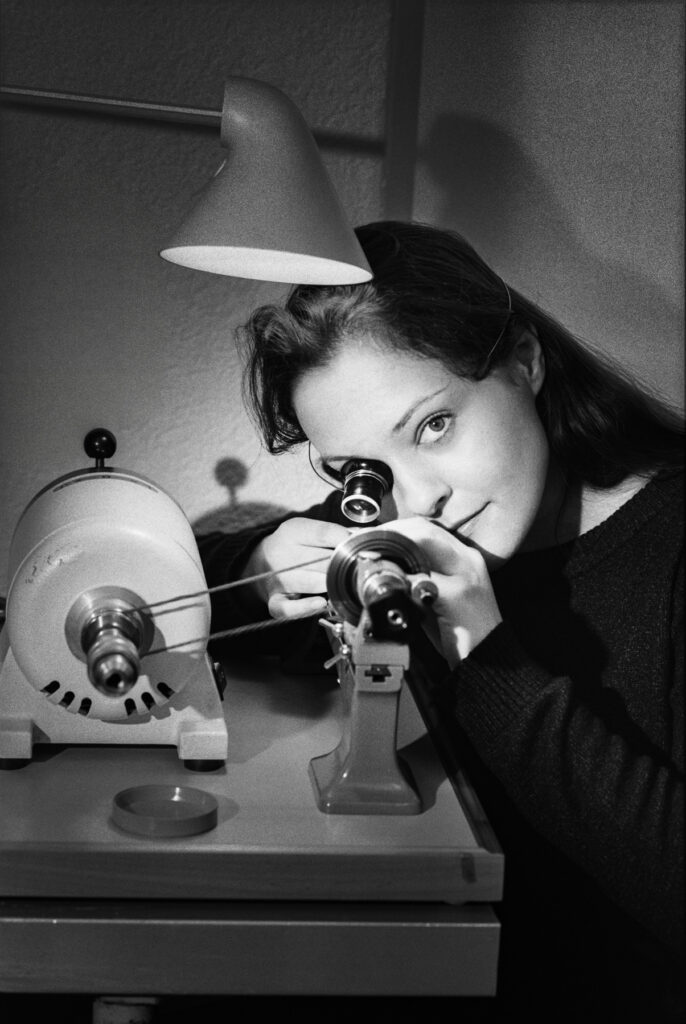
I asked Rosenfield what surprised him most about the transition from launch to everyday production, after a pre-launch period which focused on finding more watchmakers for the team. “We realised how much more that team needed to be in terms of people who really understood development and prototyping and logistics, “he says “We had a few really great watchmakers, and they’re still with us, who had been working directly for Kari, but we didn’t have that infrastructure to support them, and we didn’t have the infrastructure to think about our 10-year plan. It takes so long to develop a watch that if you want something really spectacular with high complications, you’re easily 10 years in development on that watch and you need the right plan. I think what surprised me was how much background work we needed to do and what would be involved in that.”
As a journalist deeply involved in the world of Swiss watchmaking, I am aware of the fact that most ownership, not least of legacy brands, are still in Swiss hands. A rebirth of such a storied brand as Urban Jürgensen would be seen as natural set in the hills of Switzerland, or in Geneva, not sunny California, and I am sure this was made clear to the Rosenfield family behind the scenes. “I think being an American in this industry makes me an outsider,” says Alex Rosenfield with a knowing smile. “I naturally feel like an outsider because of where I am, and I also feel like an outsider because my history and my career have not been in watches. What’s really surprised me, and I mean this, is how kind and open the industry has been.” Rosenfield does not pretend he is a watchmaker, and his respect for the craft comes through, after what must have been a steep learning curve. “We have a very young team of watchmakers, but we also have people who’ve been in the industry for decades and have tremendous experience at houses that we know and respect. How kind they’ve been in educating me, how kind Kari was in welcoming me and educating me. The generosity of the community has really been amazing to me.”
To show off the results of four years of design and research before the launch of today’s Urban Jürgensen brand, Rosenfield, Voutilainen, and their team chose a very different path. Sure, there are the polished soldier shots of each model and requisite macro movement images, but the storytelling is very different. “I think what we have tried to do is two things. One is to look at the core and the qualities of what we want. What are the qualities, what are the intrinsically true things that we want to communicate?” The fundamental things that have been true of Urban Jürgensen since 1773 are also what’s important about it today, and is a focus on innovative, complicated movement design, and an understanding of authorship.
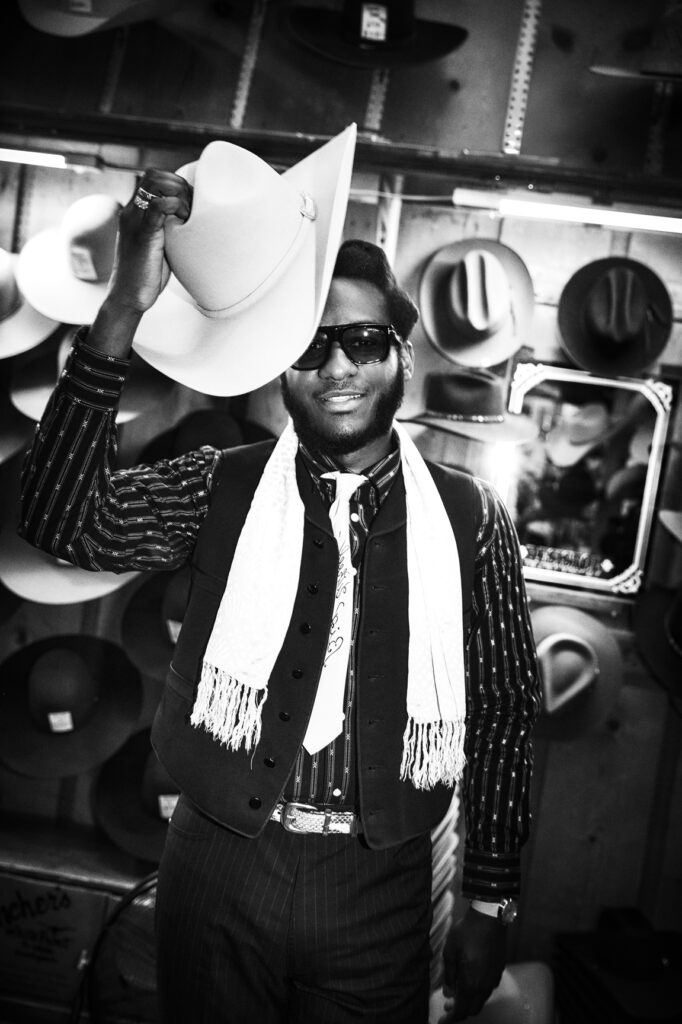
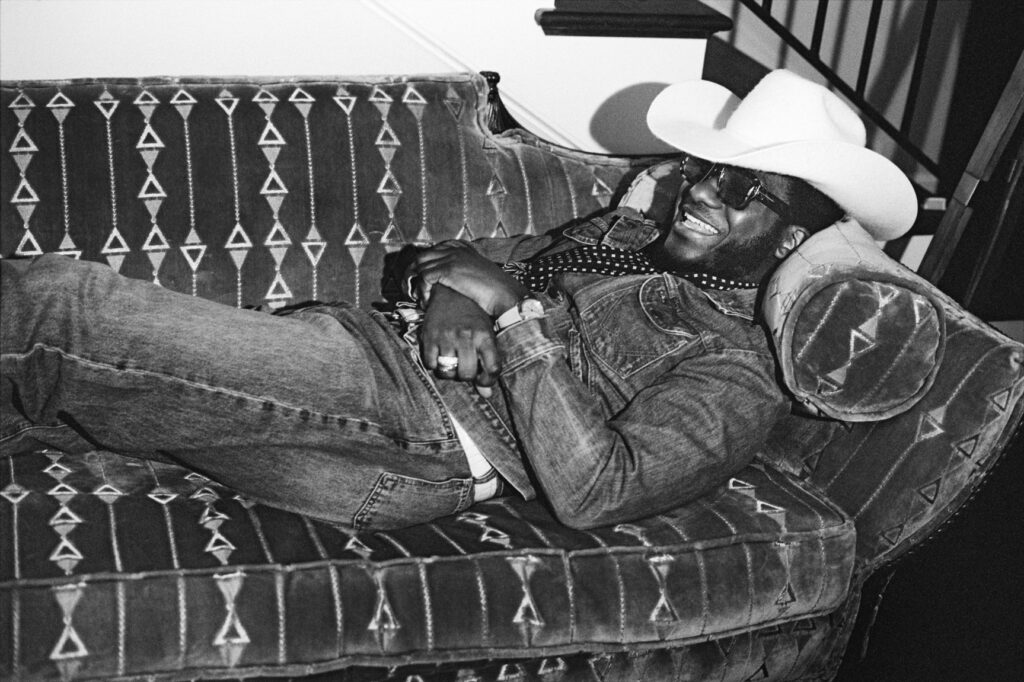
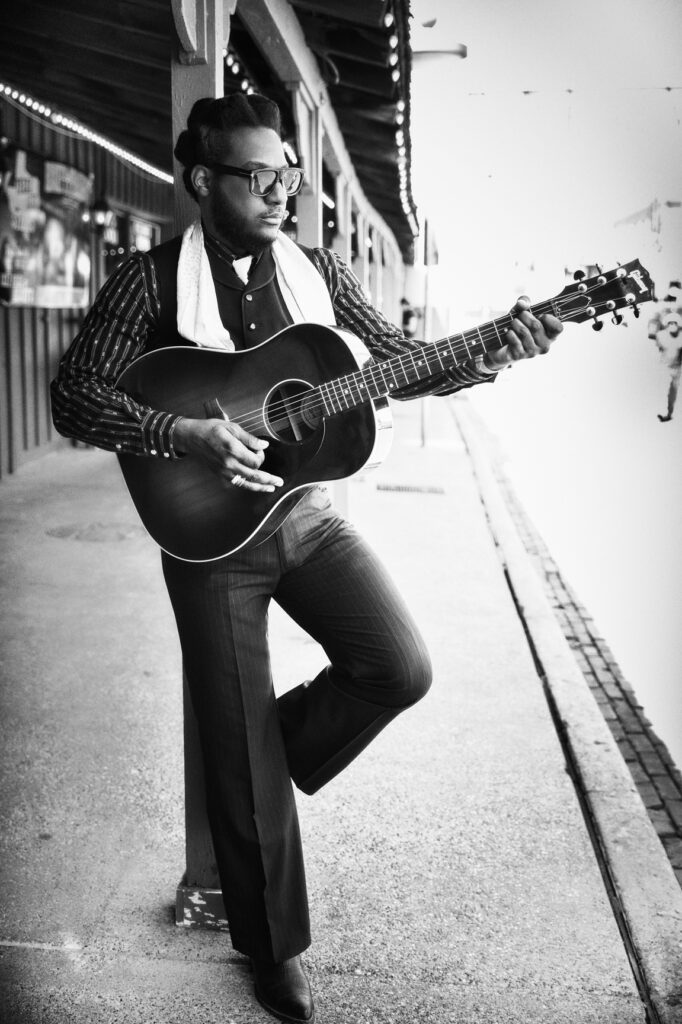
Telegraphing these traditional qualities through artful shots by Ellen von Umwerth in addition to the sharp product images collectors have come to expect, has been a bold move “When we think about what we want to communicate, those are our core values, our pillars that are always there. I’m always looking for what will be fun to do when there’s a creative whose work I love and respect. Ellen was one of those people, “says Rosenfield. “She’s obviously a legend, but we just want to look at what are fun, beautiful, true ways to tell our story. And we can take the stuffiness out. I think we’ve tried to learn from what fashion and beauty has done a bit more than the watch world, which is to focus on world building and storytelling and creating a community.”
What comes across in talking to Alex Rosenfield is a wish, besides being in the presence of one of the most open-book CEO’s I have talked to, of wanting to reach new audiences. “I am as focused on building a community of people who aren’t going to buy our watches as people who are, “ he says. “Because our production numbers, because of the way they’re made, are so intrinsically low at the beginning that I want people to connect with what Urban Jürgensen is and what it does emotionally rather than just connecting as consumers.”
From seeing the reactions within the ever-expanding watch community on Social Media, especially when spotting a UJ on the wrist of Timothèe Chalamet, who has since become a part-investor in the brand, has been positive. And more importantly, gone beyond the generational constraints of collector’s circles. “We are trying to think of what the universe of Urban Jürgensen is, not what is the fastest way to move the next unit,” says Rosenfield as we are at the tail end of our conversation.”And I think that that’s a freeing position.”

“We love them, we respect them,”says Rosenfield when we talk about the more traditional collectors who pre-book Watches&Wonders tickets a year in advance and know every single upcoming realease. “They are the backbone of our sales and what we’re doing. But a lot of what we’re trying to do is to take this niche of the watch world, these handmade watches from independent creators with a sense of authorship, and to bring that to a group of people who will care about it but don’t know about it.” And this focus on new faces and generations is much needed in today’s marketplace. “We think about people who collect decorative arts or painting or wine or cars, people who care about craftsmanship and legacy and beautiful things,” he says. “ We are trying to make watches of a quality and to a standard that satisfies even the most exacting, most rigid lifelong watch collector, but also to open the doors and bring our message to people who may have never heard of Kari Voutilainen. These are people who care tremendously about the fact that every stitch in a Chanel couture gown is done in a way that causes it to function and move and look the way it does and can understand what Kari built into these watches for that same reason.”
In talking to Rosenfield it is also clear that despite a slow market, independent watchmaking is unreasonably healthy, and production in Biel is going full tilt, while Kari Voutilainen has moved from the daily duties as co-CEO, to strategic advisor and Member of the Board. “He’s still working on designing new Urban Jürgensen watches that will come out in the future; what he is not doing is day-to-day operational things, and he made the same change at Voutilainen. So I think, not to speak for Kari, but I think what he realised, and it seems sort of obvious and sensible to everybody, is that his passion and love and greatest talent is designing and making watches.” This will ring true to many enthusiasts, who know well that any hour Voutilainen is spending managing an IT vendor or making sure that supplier invoices are fulfilled is time away from all things creative.
In this first full year of analysing production and demand, Rosenfield says that the order wait list is between nine months and two years, depending on what the model is. “It’s been a great reception, and I think that the pace has been good. We are working ahead, we’re working smartly, and there’s so much joy in seeing these watches reach clients. And we’ve gotten emails from people who say, “I liked the watch when I tried it on, but now I’ve been wearing it for the first weekend, and I think the hands are just so much more beautiful than I understood, or it feels so great, and I didn’t know how the lug would look on my wrist as I was walking around in it.” And watches are not objects to be designed and locked away,” says Rosenfield. “They’re meant to be worn and experienced and enjoyed.”
I did try to get some secrets out of Rosenfield, as it is a year-and-a-half since the first designs were presented, and it seems that things are happening behind the scenes. “We have a little bit of a rule for ourselves: when we started working with Kari in 2021, we didn’t say we wanted to launch in 2025,” he says. “We always want to think about the watch that we want to make and the process to get there rather than how we make something ready by a specific date. So we have things in the works that I hope will be ready by 2027, but we’re never going to launch a watch just because it’s Dubai Watch Week or Watches and Wonders.”
To many collectors and even myself, this might be frustrating, but it equally makes for the most interesting releases, where the end result is of essence, not the price tag or the release date. “We will make watches when we think there’s something we love that’s ready. That’s important as a watch is an object that should be loved and cherished and handed down through generations, and that means you just have to be careful and deliberate in what you make. You can’t rush that and then expect somebody to love and care for that object for a century.”