
There’s been no riot-inducing drops, but there’s an industry-changing crossover happening right under our noses
There’s a moment in every big cultural shift when you realise something has fundamentally changed. For watches and fashion, that might have been May last year, when Hailey Bieber wore a Marine Serre dress constructed entirely from upcycled watch straps to the Miami Grand Prix. I don’t think I’ve ever been sent anything on Instagram from my largely watch-agnostic girl friends quite so much. A dress. Made of watches. Worn by arguably the most photographed woman on the internet. If horology needed a quick segue into mass consciousness, it got one.
The watch industry has, for most of its history, operated at its own pace, where seasons didn’t really exist, and trends moved in decades, not months. Meanwhile, fashion has been dropping multiple collections a year and spinning micro-trends on social media before you can say TikTok (there’s got to be some sort of irony in that name in this context). Essentially, the two worlds have existed in polite mutual ignorance, but it seems that the distance between them is rapidly closing.
Today, the watch industry is having to adapt in ways it probably never anticipated. Consumers – particularly younger ones – aren’t approaching a watch the way previous generations did, as a near-mythological object to be researched for years and coveted from afar. They’re coming at it curiously, the way they do a bag or a pair of shoes: as something that completes a look, communicates taste, and functions as fashion hardware. The watch is being repositioned, at least aesthetically, and the industry is learning (with varying degrees of enthusiasm) how to keep pace.
The fashion houses spotted the ‘in’ first, and the most credible among them have understood that watchmaking and fashion can share a design language without either losing their’ je ne sais quoi’. Hermès has long done this with its unrivalled leatherwork and Chanel’s horological division produces movements that deserve genuine technical kudos while maintaining a coherent aesthetic. For Louis Vuitton’s Spring/Summer 2026 collection, the Tambour found new life as the Monterey II, worn on the runway as a belt and as a pendant necklace – styling-led, wrist-optional, and completely unbothered by convention.
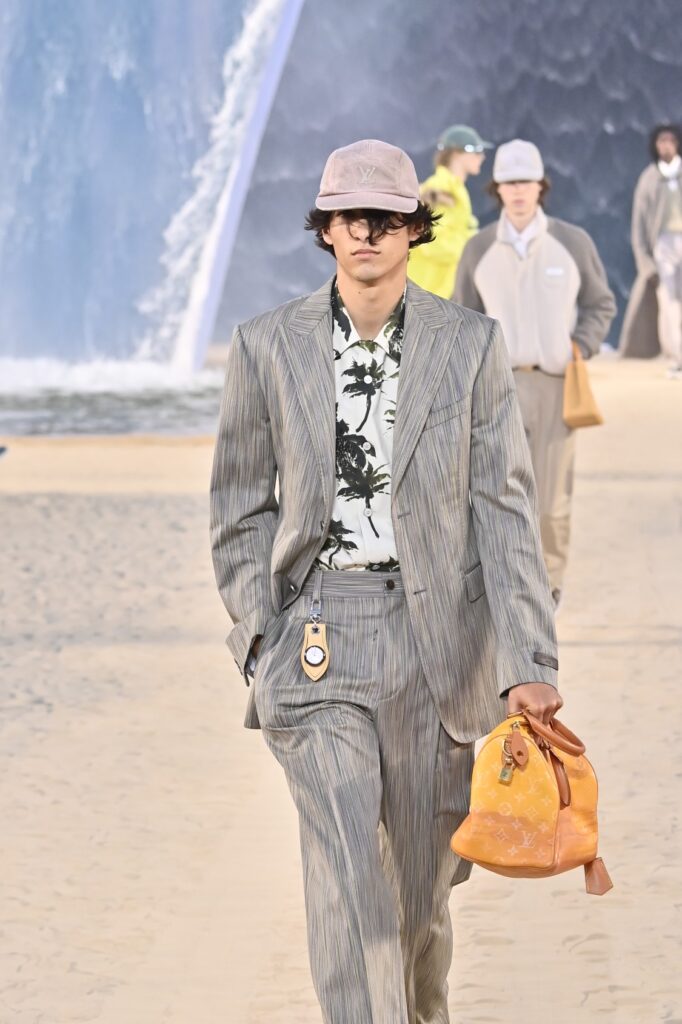
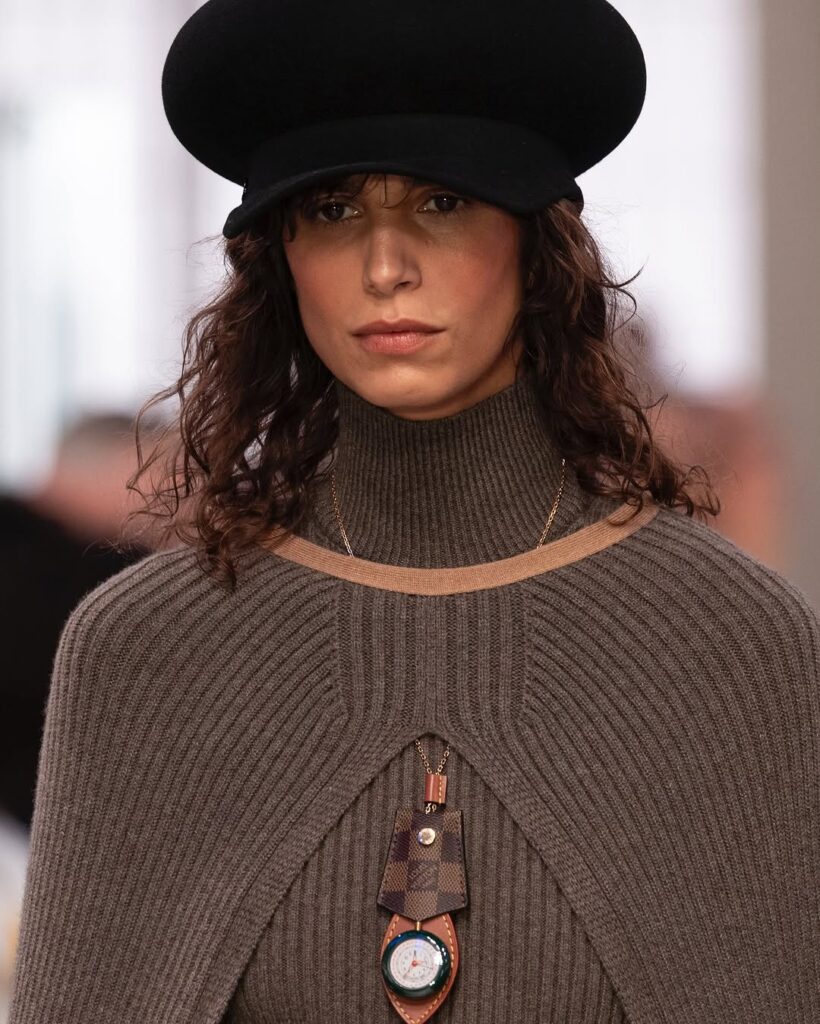
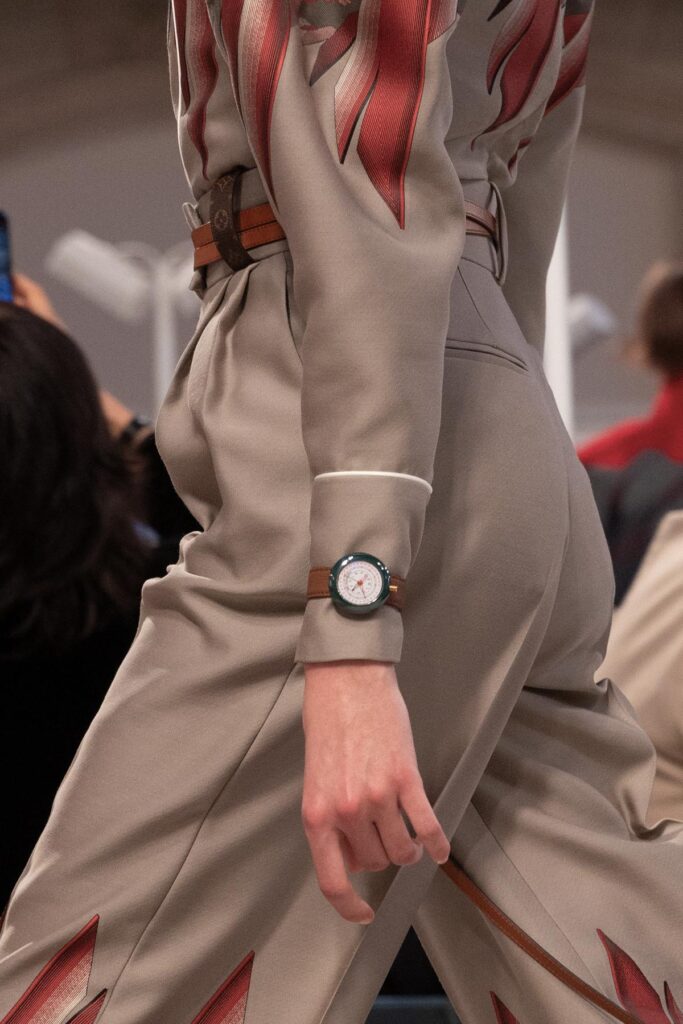
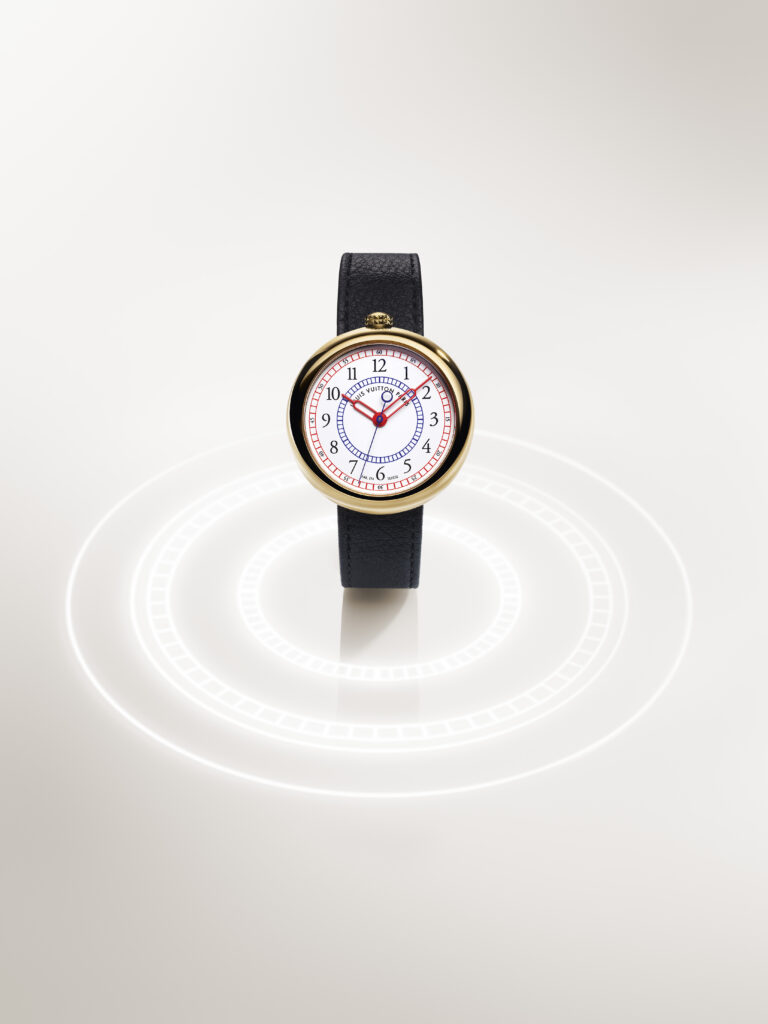
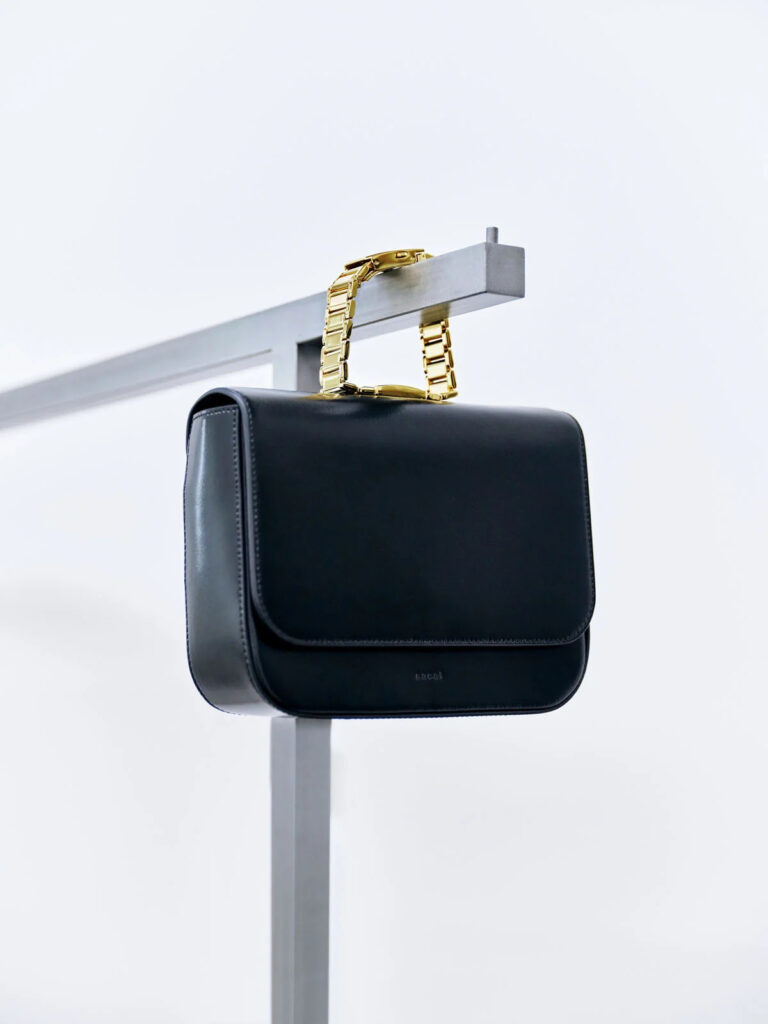
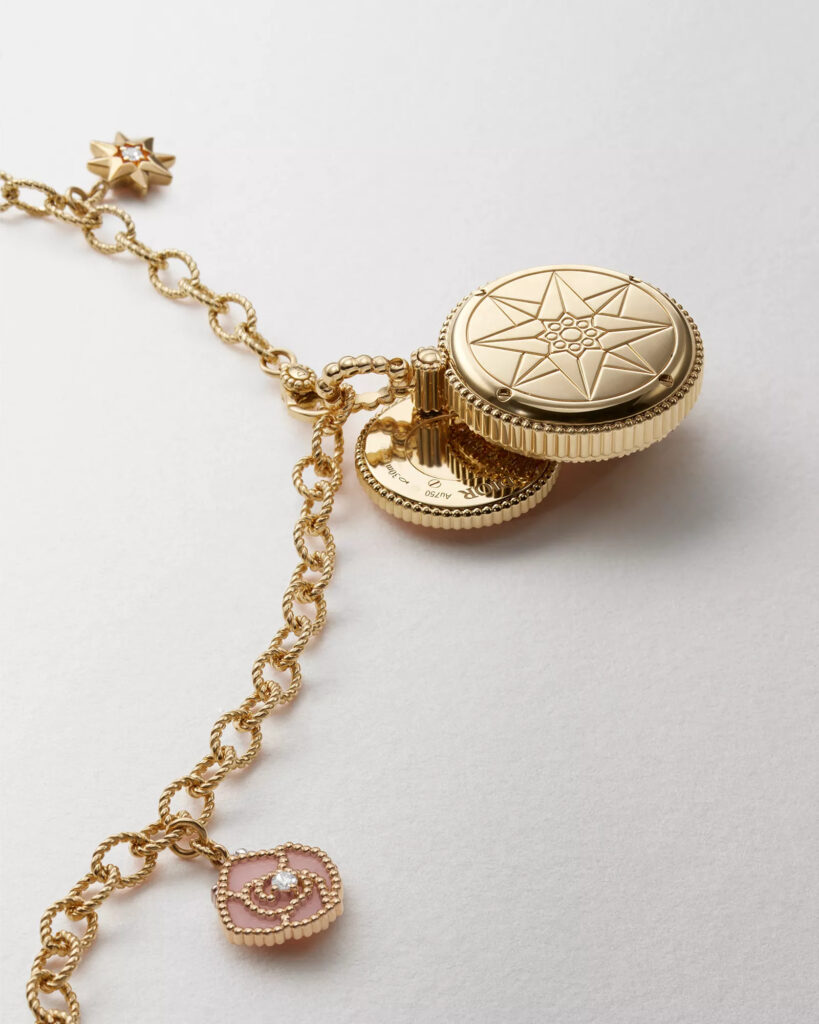
Even more recently, Dior introduced the Rose Des Vents, featuring a watch hidden amongst a haberdashery of charms on a chain designed to be worn as a belt. And just the other day, Gucci’s Resort 2027 collection made an unexpected splash in the horological world with a clutch bag that eschewed the predictable strap in favour of an actual watch, and Japanese label Sacai is also currently offering something similar.
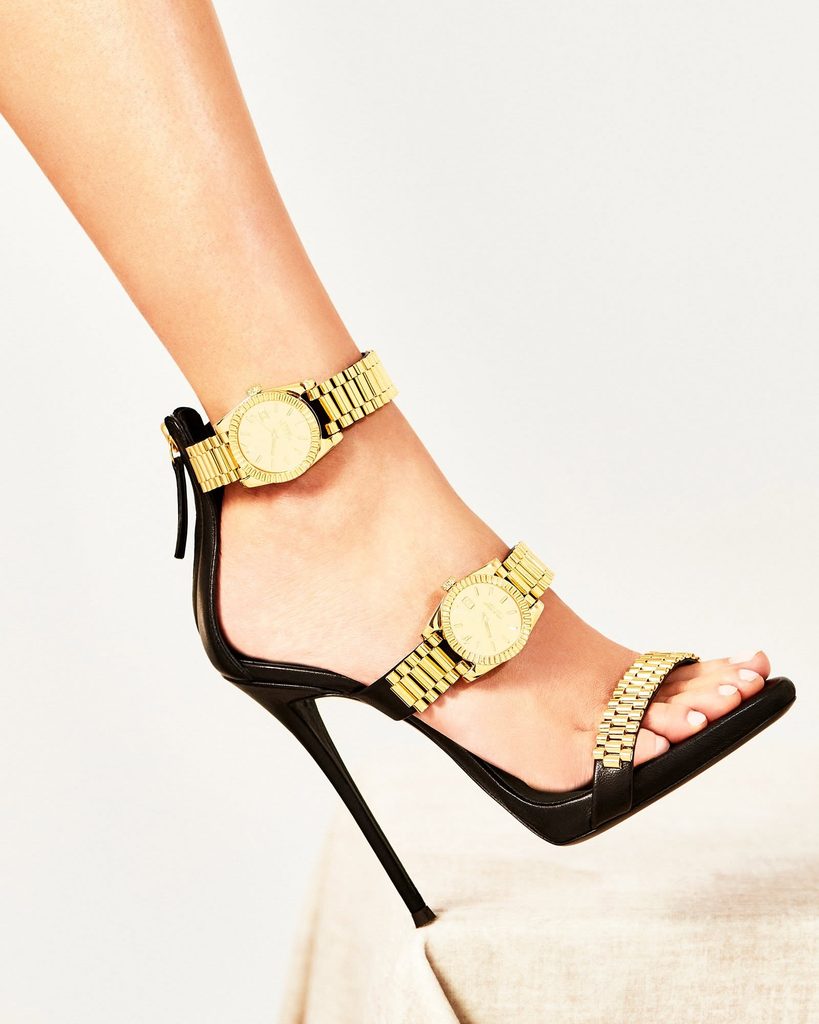
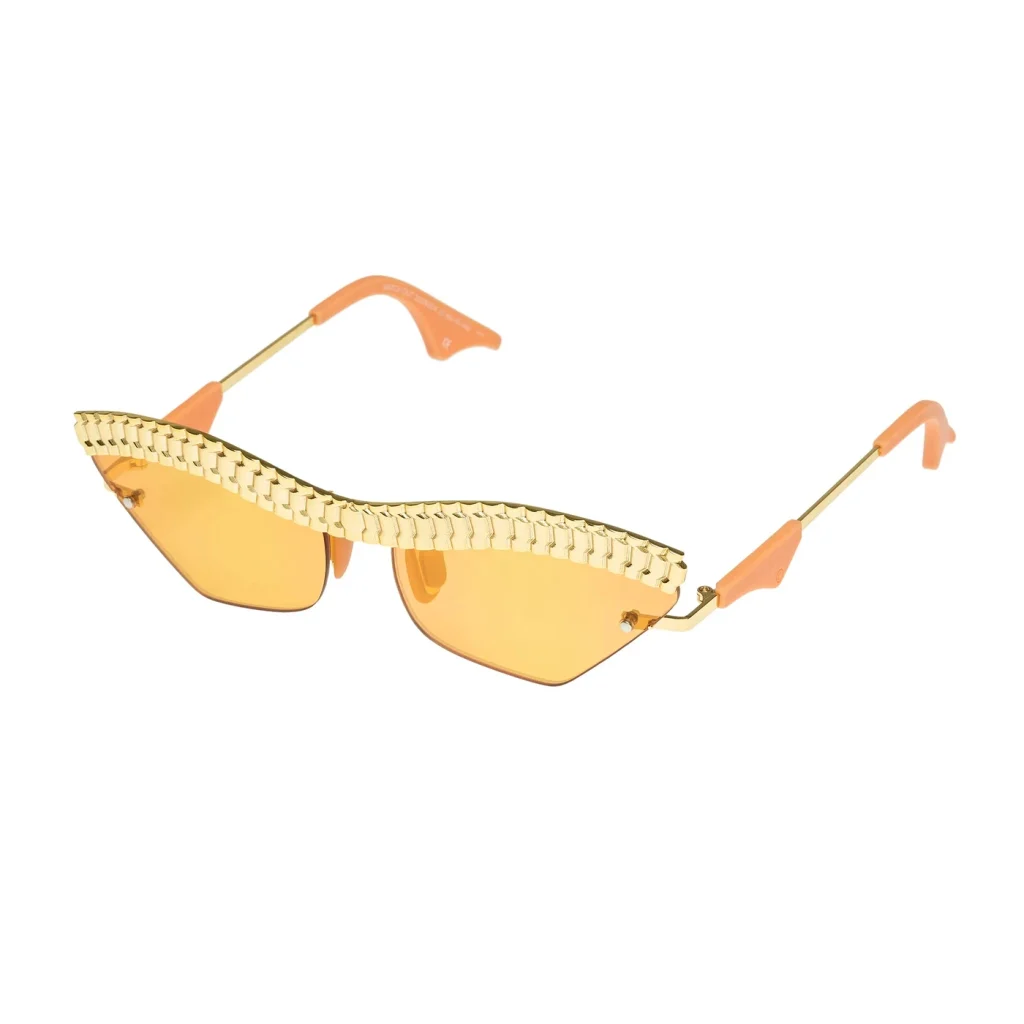
The fever has actually been building for a while, if you knew where to look. Christian Cowan collaborated with Giuseppe Zanotti on watch-embellished shoes multiple times between 2018 and 2020. More a fixation than a fluke, his later Le Specs sunglasses frames, playfully titled ‘Watch Out’ put watch-face detailing on your face. A couple other noteworthy credits that might interest style sleuths: Rhude did lug-soled loafers with bracelet hardware in 2022, and Dunhill’s 2020 Link Loafers did exactly what you might imagine. These aren’t just novelty gestures, though. They’re considered statements about where the timepiece belongs in the wider luxury conversation.
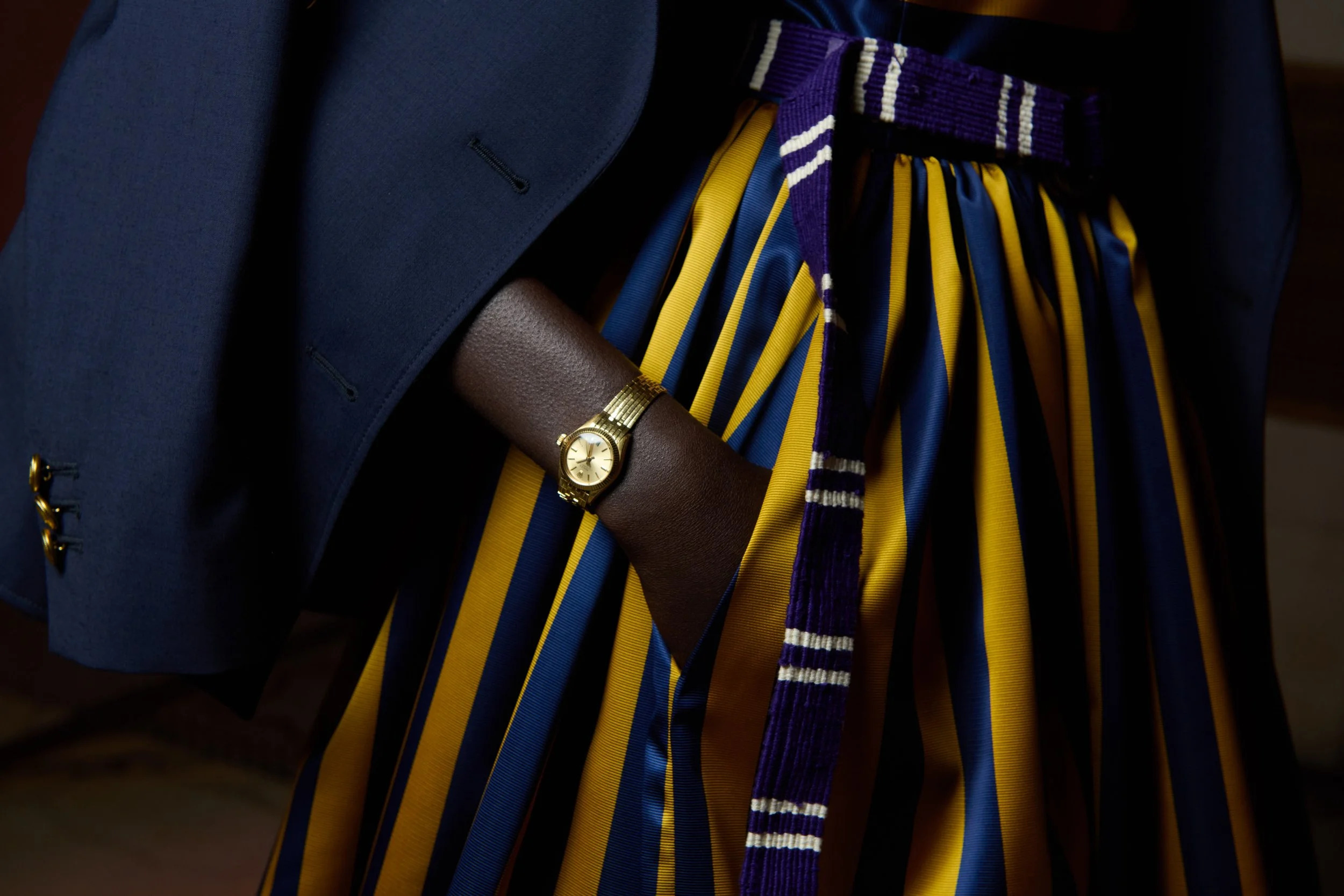
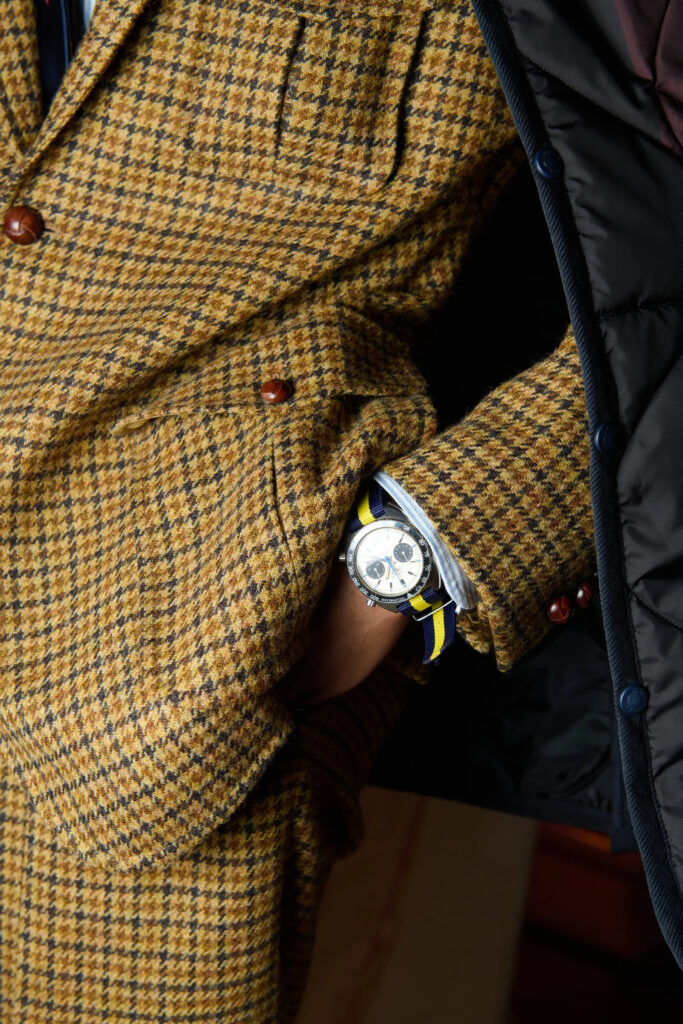
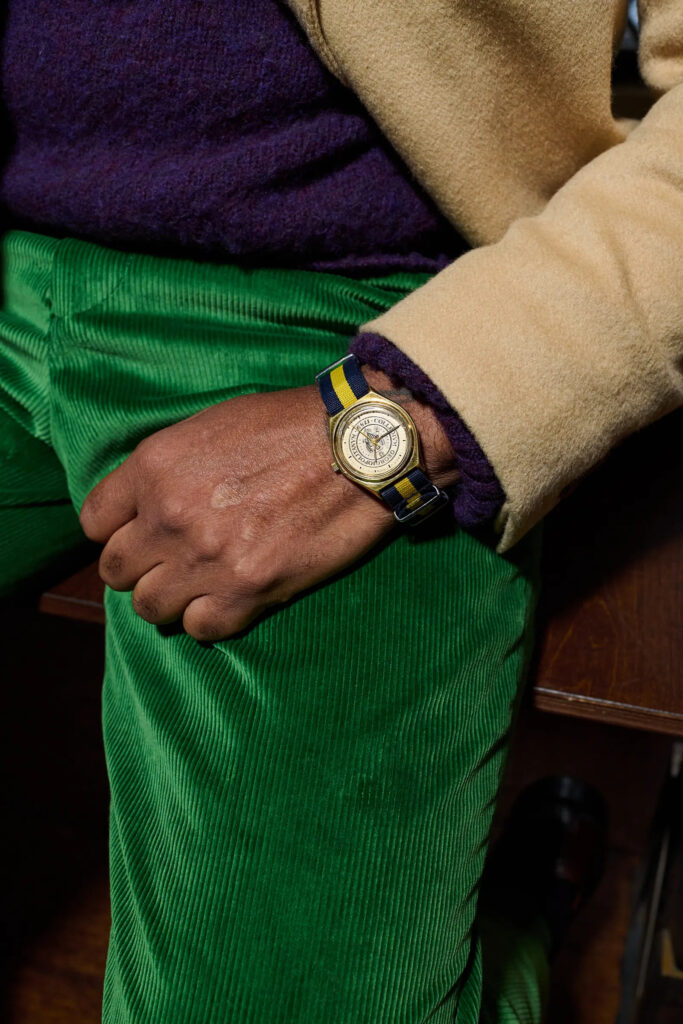
It might not be as big a household name, but for Fall/Winter 2025, preppy pinup J. Press offered perhaps the most quietly persuasive statement of the Watch-core (feels like a suitably internet-approved aesthetic compound?) crossover. Here, nearly every look was styled with collectible vintage pieces sourced by dealer Eric Wind of Wind Vintage, who curated over thirty watches from the likes of Rolex and Omega for the show. No deconstruction, no artsy conceptual reinterpretation. Just watches, treated as essential styling elements with the same weight as a chain or a belt. Fashion writers have begun calling it the “horology-as-styling” era – watches functioning less as collector objects and more part of a broader vocabulary of dressing.
Even within the watch industry itself, the signals are shifting. The recent Swatch x Audemars Piguet Royal Pop is (though a legion of angry classicists would have something to say about it) a more conventional proposition than a dress made of movements or a clutch with a dial for a clasp – but its marketing told a different story entirely. Sold with a pocket watch lanyard and crying out to be worn on bags, clipped to belt loops and layered into an outfit, it’s been pitched as an accessory first and a timepiece second. That framing is deliberate, and it speaks to something the industry is slowly coming around to: there’s a huge, largely untapped market of people who would engage with watches not through complications and calibres, but through style and self-expression. The Royal Pop isn’t chasing the collector, it’s flirting with the person who just fell in love with the idea of a watch because they saw it on a runway.
That raises the question of who exactly is driving all of this. The archetypal collector has historically been male, with a penchant for technical minutiae and limited interest in whether a dial pairs perfectly with 9-to-5 suiting. But to me, it seems the consumer energising this shift is younger and increasingly female. Women have always worn watches, but an industry that designed largely for men and assumed the girlies would be content with a scaled-down or diamond-set rehash are now realising that that just doesn’t cut the sartorial mustard. Women are buying watches on their own terms, and they want them to function as fashion objects as much as horological ones. The fashion world’s embrace of watch aesthetics is a direct response to this shift.
The trajectory here feels pretty clear. Fashion brings the storytelling, the seasonal urgency, and the ability to make objects feel culturally alive. Watchmaking brings centuries of craft, heritage, and technical credibility that fashion can’t manufacture. If the next gen engages with watches the way they engage with the new bag du jour – something to seek out, wear with intention, and understand on its own terms – both industries are better for it. Watches aren’t being diluted under the (oversized designer sunglasses-wearing) eyes of fashion. It might just be my algorithm, but if anything, they’re finally being seen.
Ella Kirby is Digital Editor at WatchPro magazine