
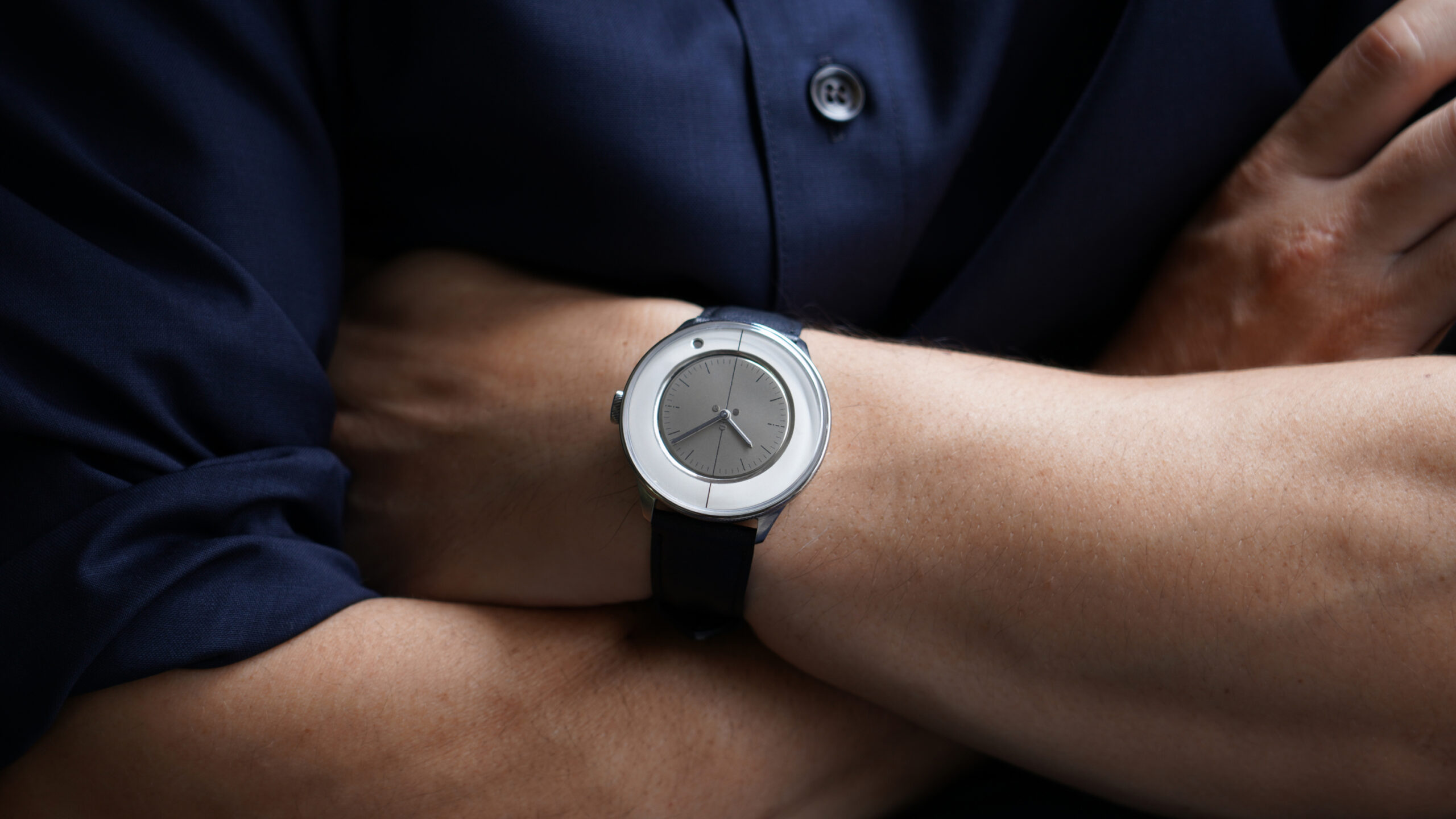
Inside one of Japan’s most avidly-watched independent watchmakers and the quiet watch that strikes a chord
Across the Sumida River from Asakusa, away from the busy temples and the hordes of tourists making their way through bustling alleys lined with food stalls, the city gets much quieter. It’s no surprise that the workshop of independent watch brand Quiet Club sits on a side street in Sumida City, a few steps away from some of the best coffee best coffee I’ve ever had in Tokyo. Nothing outside the low building housing the workshop suggests that one of Japan’s most closely watched young watch brands works inside.
Inside, the space is calm and carefully put together, with stylish furniture that makes it feel closer to a design studio than a factory floor. When I initially visited in the summer of 2024, the brand’s first watch was still mostly a prototype. Now, the first model has been launched and sold out, and the workshop has grown with it.
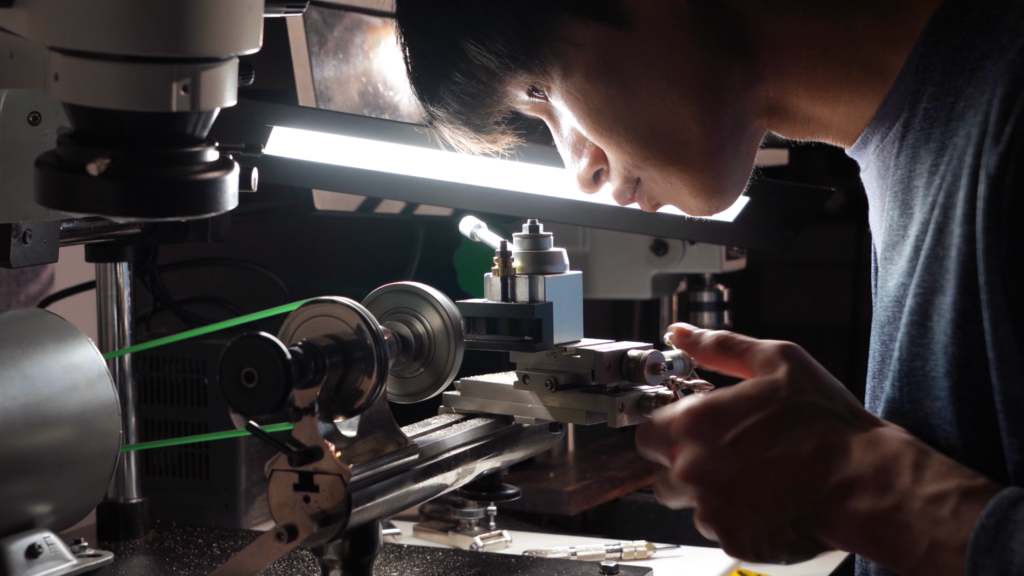
Quiet Club is still, at its core, three people spread across two continents. Hokuto Ueda, the CEO, works from Seattle, and Johnny Ting, head of design, from the San Francisco Bay Area. They fly to Tokyo every few months, while Norifumi Seki, head of watchmaking, is in the workshop daily, where he designs and builds the movement himself. Mr. Seki first drew international attention in 2020, when a titanium pocket watch he made, with a spherical moonphase, won the prestigious F.P. Journe Young Talent Competition. Mr. Ueda and Mr. Ting came respectively from the automotive engineering and product design industries, with a shared idea of what a watch could do for the person wearing it.

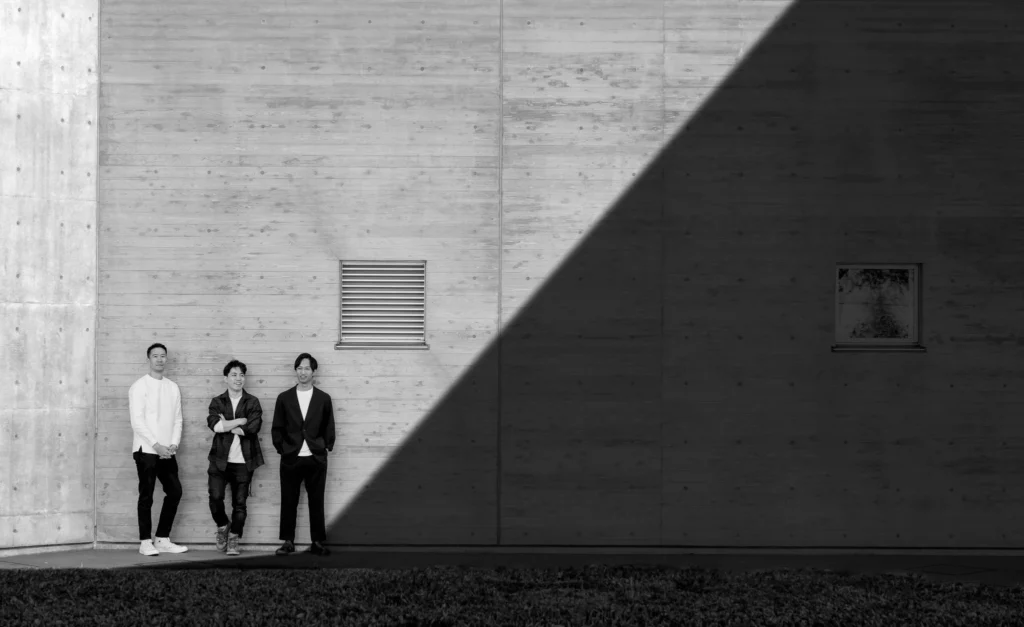
That very idea is the company’s philosophy. “We believe each of our watches will have its own concept and design language,” said Mr. Ting. “What will be consistent is that our concepts will centre around building objects and tools to enrich and improve our lives.” The word ‘quiet’ is the brand’s design principle as much as its name. “It’s not minimalism for its own sake, but design guided by intention, everything you need, and nothing more,” he said.
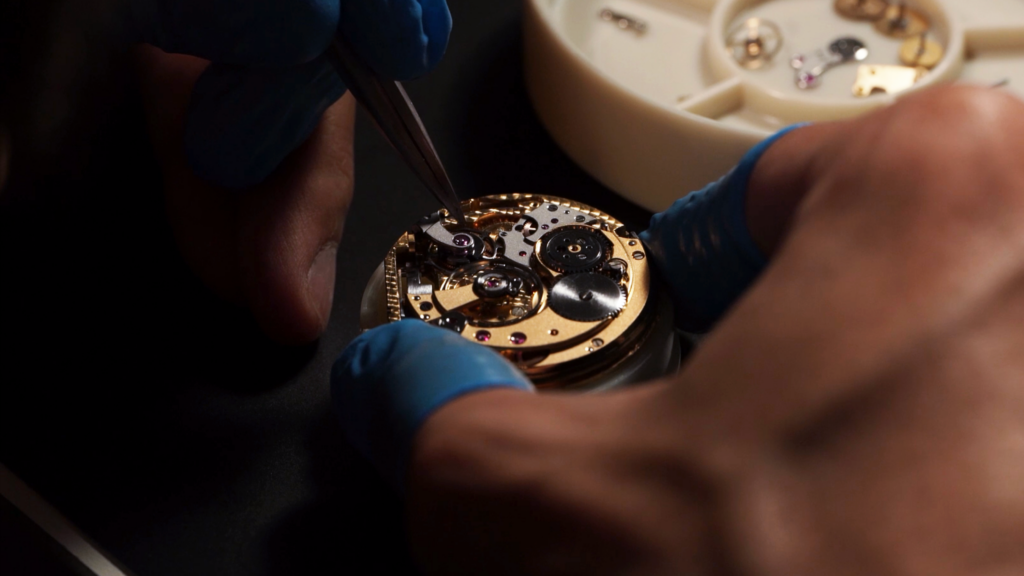
That same restraint extends to how the company grows, and some things haven’t changed. Mr. Seki still regularly spends the night at the workshop — a small reminder that, even with more equipment and more help, the timepiece still rests on one person’s craft.
A Watch That Fades Away
That craft is most visible in the Fading Hours, the watch the company was built around. Launched with a price tag of $85,000 (around £65,000), the name describes the idea: a watch that fades into the background while you concentrate and returns when you need it.
The alarm is the heart of it. A rotating bezel sets it, a single button is hidden in the crown, and a separate pair of alarm hands stays tucked behind the regular hands until they’re needed. When it sounds, there’s no buzz: a vertical hammer strikes the inner dial, which acts as a gong, producing a sound the brand likens to that of a minute repeater.
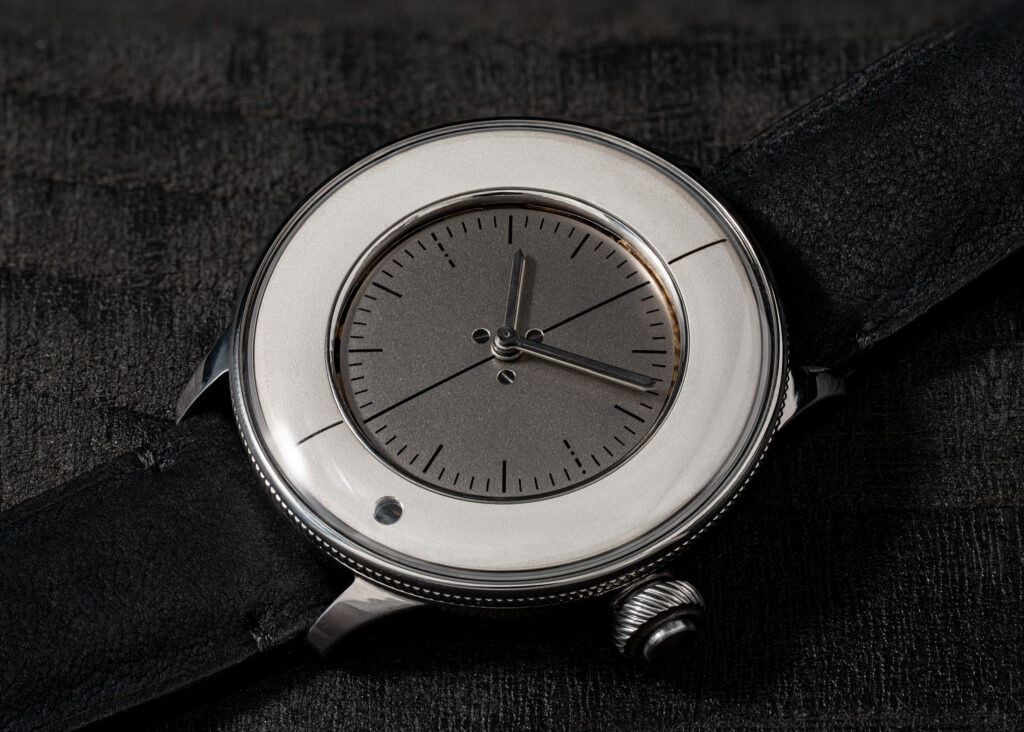
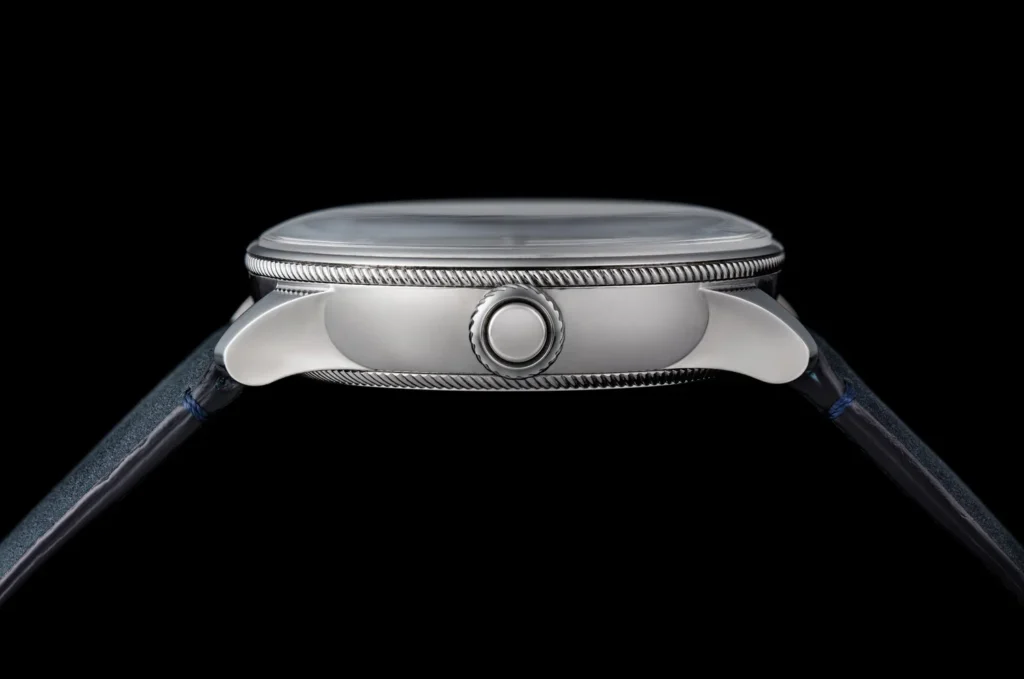
“The challenge was managing great internal complexity to achieve this external simplicity,” said Mr. Seki. “Many of these mechanisms had never existed before Fading Hours and had to be invented from scratch.”
Getting the sound right took many tries. The team first aimed for a deep, soothing tone, said Mr. Ueda, but testing showed that for a watch meant to create time for deep focus, they were “missing a layer of clarity on top of the rich deep tones.” White gold struck the right balance, and it also suits the enamel markers the team inlays by hand.
The dial carries no logo or branding. “We believe that people naturally project their own personality onto what they wear and a logo would get in the way,” he said. “In this way, the watch becomes a cleaner slate, one that the owner can impart their own meaning into over time.”
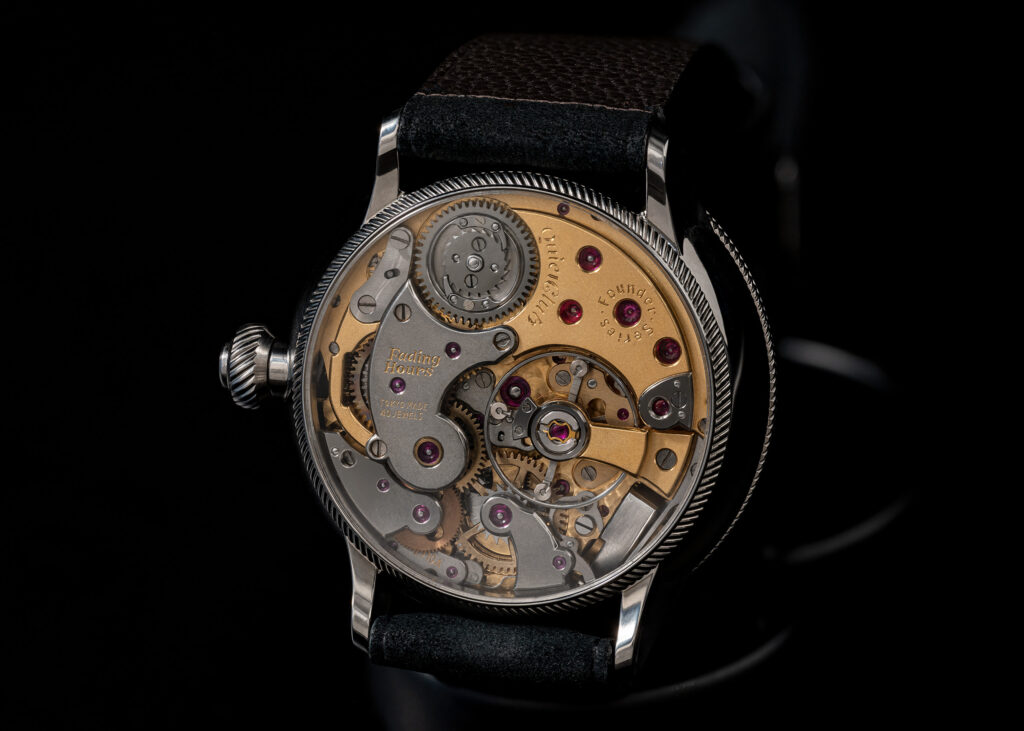
Fading Hours also depends on hands beyond Mr. Seki’s. The dial markers are machined, then filled by Mr. Seki with Grand Feu enamel. “We have a little oven in our workshop where we fire the enamel until we get a smooth glassy surface on the markers,” said Mr. Ueda. The text on the movement is engraved by hand by Keiji Kanagawa, an engraver in Tokyo. The strap comes from a leather craftsman in Nagano, who sources deer leather ethically. Deer overpopulation has become an environmental and economic problem in the region, and some local leatherworkers now turn the hides of culled deer into premium goods. The Nagano tie runs deeper than leather though: Seiko is headquartered in the Suwa area, and a few ex-Seiko advisors have helped Quiet Club from the start.
Many of these collaborators come from outside watchmaking, and Mr. Ueda said that wasn’t planned. “It happened completely organically, through connections with good people, and it’s inspiring to learn about the care and passion they put behind their craft,” he said. “It pushes us to do our very best work, so we live up to their work.”
The case is titanium, chosen because it’s light and doesn’t feel cold on the skin. At 40mm it wears smaller than it sounds: the case tucks the lugs in, for a lug-to-lug of just 44mm. Turn the watch over, and the crystal case back shows the hammer and the hand-finished parts.
Room To Grow
“We added a new watchmaker in July, he graduated from the same watchmaking school I attended,” said Mr. Seki. “We would like to add more, and we are currently looking to hire talented watchmakers who want to work in Japan.”
Demand is the reason. “Fading Hours was born from a very specific problem we had in our own lives,” said Mr. Ueda. “Honestly we had no idea if there would be others who would resonate with the concept.” Collectors certainly did, and recognition followed: Fading Hours was a finalist for the 2026 Louis Vuitton Watch Prize. “We don’t feel it has changed the way we work,” said Mr. Ueda. “The recognition is great because it validates that we are going in the right direction.”
The team expects to stay in the same workshop for the next couple of years, then move to a larger space with more production capacity for a second and third model. Asked what he wants to try next, Mr. Seki said, “I’d like to continue pushing the boundaries of mechanical watches, and create timepieces worn not just for nostalgia but because they are the best tools for accomplishing specific jobs in your life.”
Discover more at www.quietclub.com