
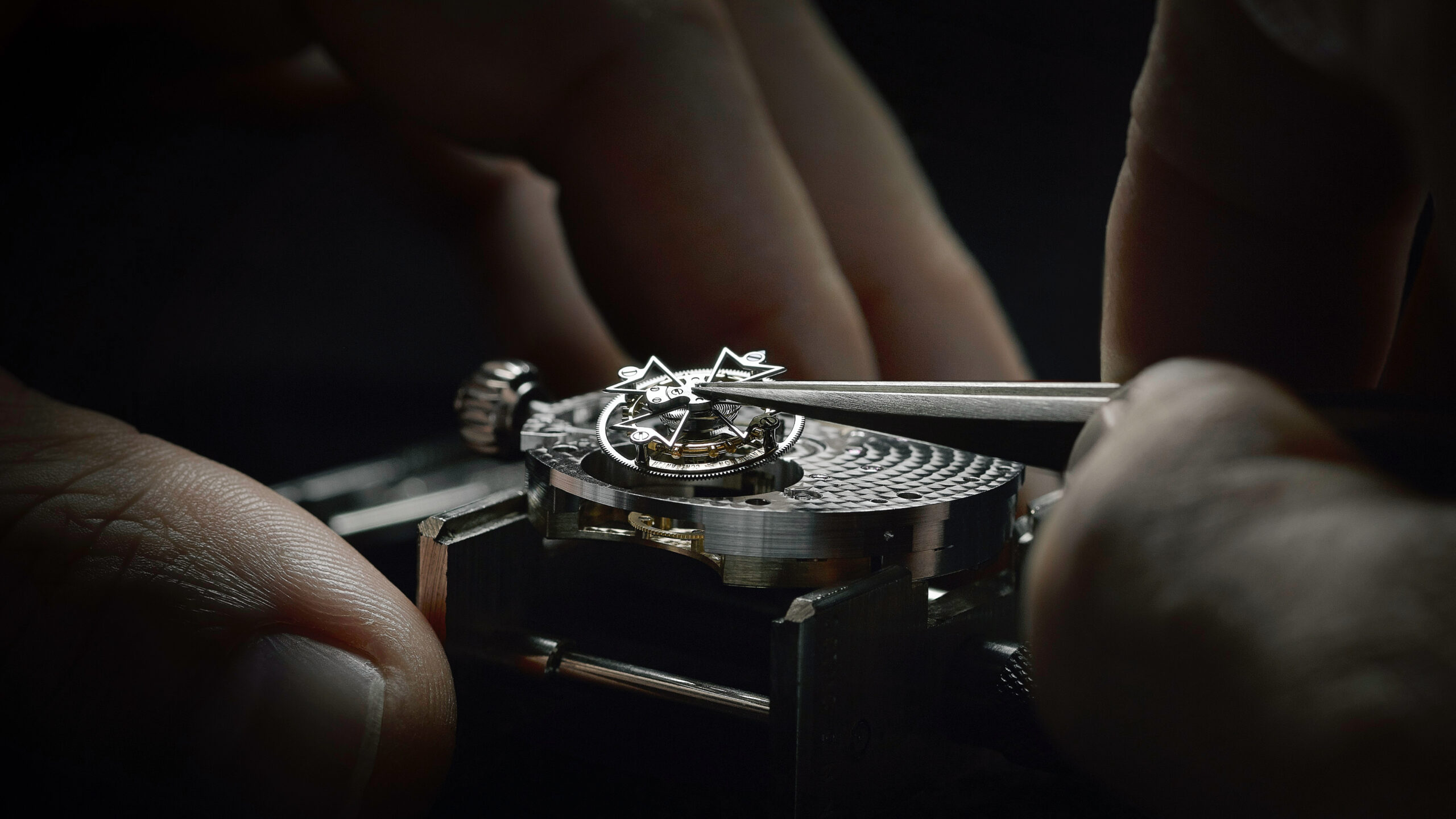
Whatever cynicism we might have toward the dubious laws governing the Swiss Made label, Vacheron Constantin is the real deal
After spending a couple hours touring the Vacheron Constantin manufacture in Geneva, I asked a seasoned colleague what he thought of the factory.
“Eh, they’re all the same,” he replied.
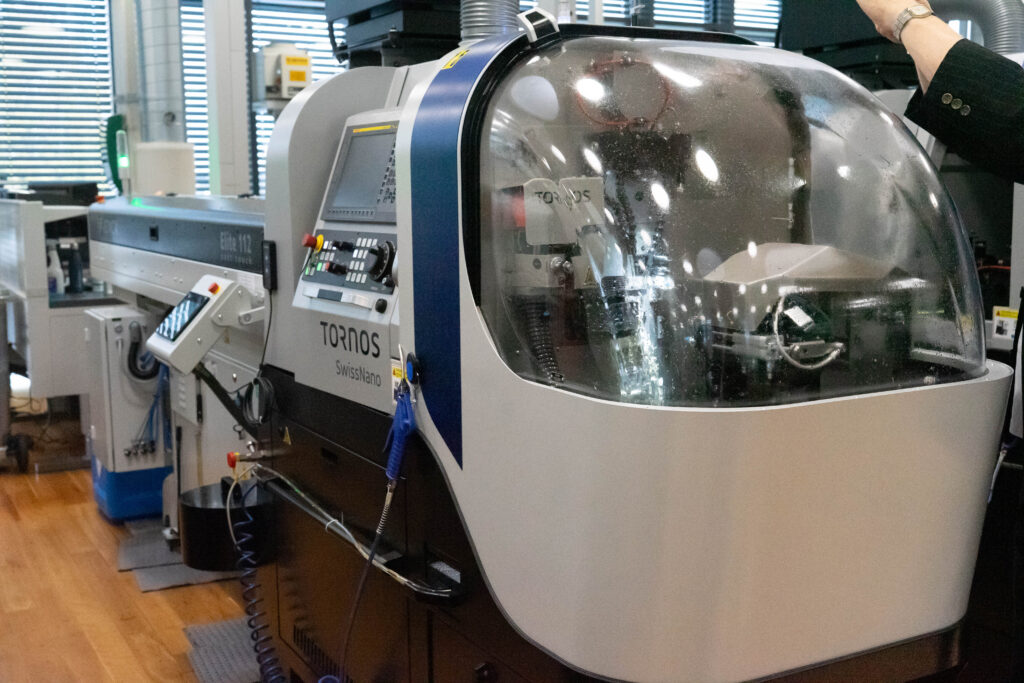
He had a point. Swiss industrial architecture is fairly homogeneous, as are the watchmakers in white lab coats, the CNC machines robotically tooling parts, the testing equipment spinning watches around like a miniature amusement-park ride that, alas, fails to fascinate anyone who’s seen it twice.
However, if you know what to look for, these facilities can tell a deeper story, one that perhaps answers the central question surrounding Swiss watchmaking in the 21st century: Is a Swiss watch actually made in Switzerland?
A few years ago, my Geneva-based colleague Sophie Furley and I tried to answer that question. The short answer is that in most instances surprisingly few, if any, components found in watches bearing the Swiss Made label have been made in Switzerland.
With that in mind as I walked through the Vacheron Constantin manufacture, I was struck by abundant evidence of actual watchmaking.




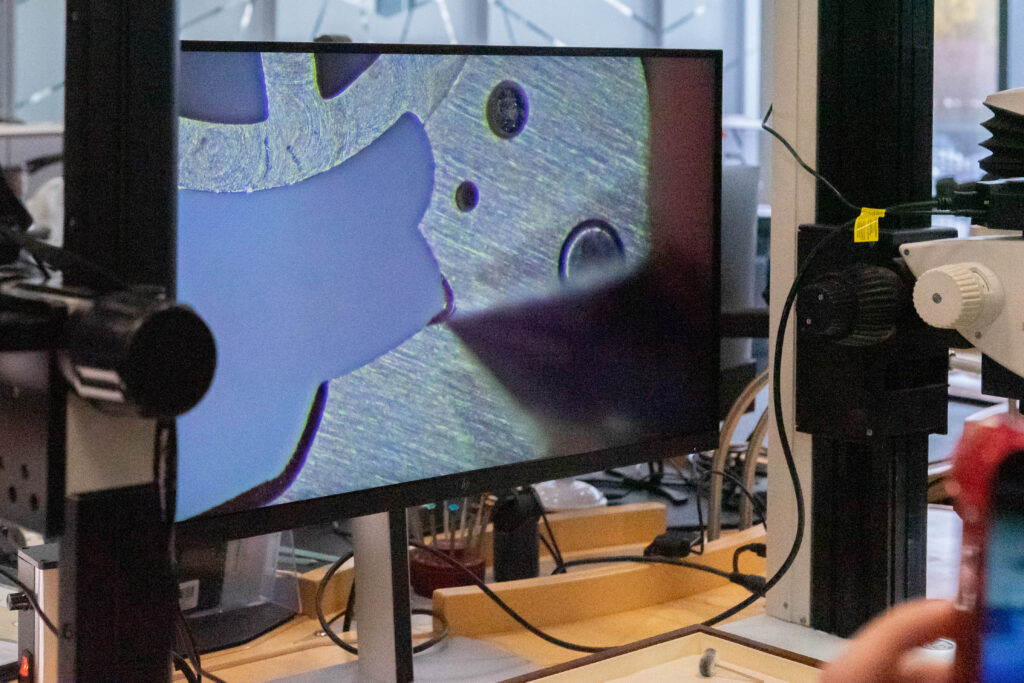
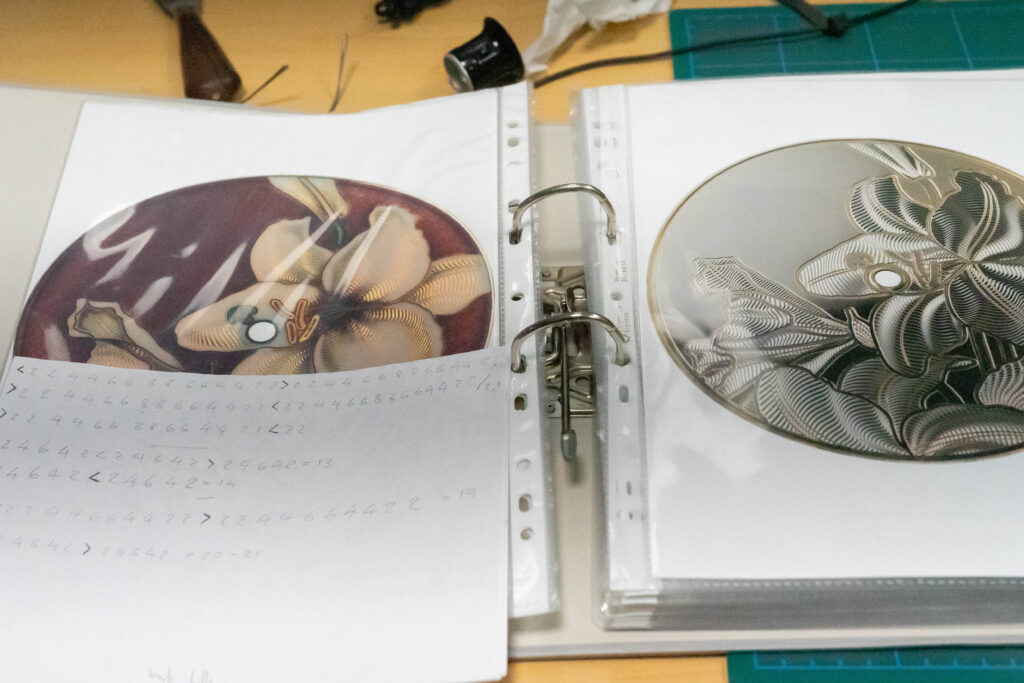
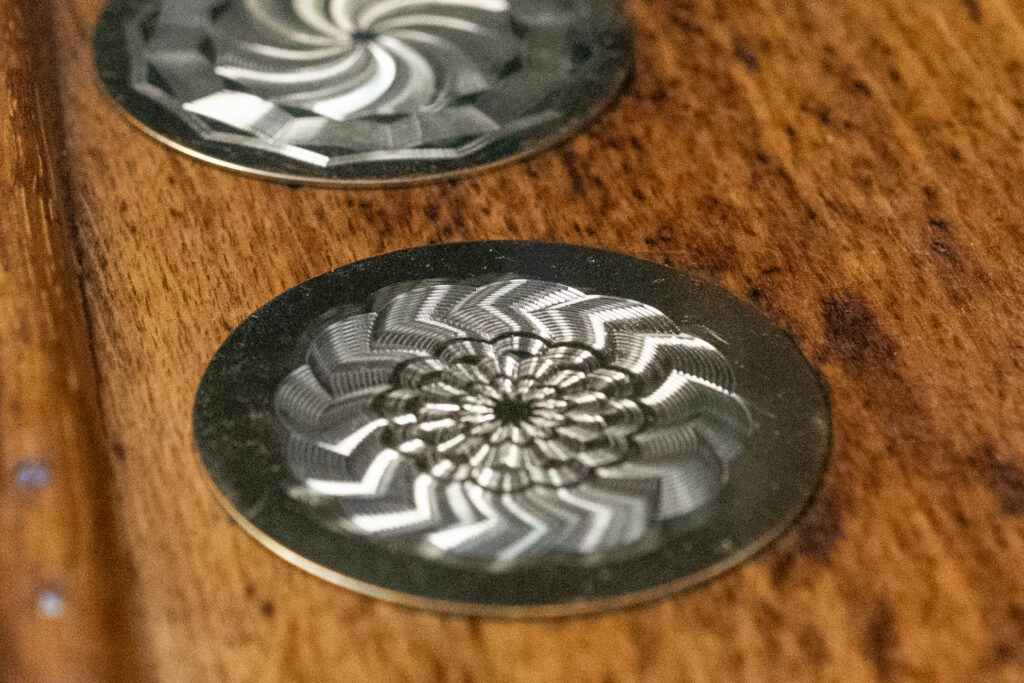
This evidence included the sheer scale of the facility, by the number of enormous multi-axis CNC machines simultaneously at work, by the number of hunched-over, silent watchmakers, by the woman who told me she was stressed out because she kept cracking sapphires, by the guilloche engraver who always works for three continuous hours to maintain even pressure. And I was especially struck by the speed with which a bearded young man created anglage in the tight corners of a skeletonized main plate—a decisive swoop I hadn’t expected for such a delicate and highly prized bit of finishing.
I asked the same jaded colleague if he’d ever seen anyone doing anglage work before. “Actually, no,” he said, perking up a little.
I suspected this anglage work might be a performance just for us journalists, so I asked our tour guide if that main plate would actually go into a watch.
“Mais, bien sûr! (But, of course!),” was the answer, his expression offering up the unspoken part: “You jerk!”
And perhaps it was offensive for me to have asked this, because the vibe in the Vacheron Constantin manufacture was one I’d felt first-hand when working in various factories myself: the humming pressure of keeping production on schedule without making mistakes, a kind of collective focus specific to manufacturing.
In the Swiss factories of lesser watch brands—some selling millions of watches annually—you don’t see as many watchmakers, CNC machines or artisans as we saw at Vacheron Constantin. You don’t even see as much square footage in most Swiss watch factories.
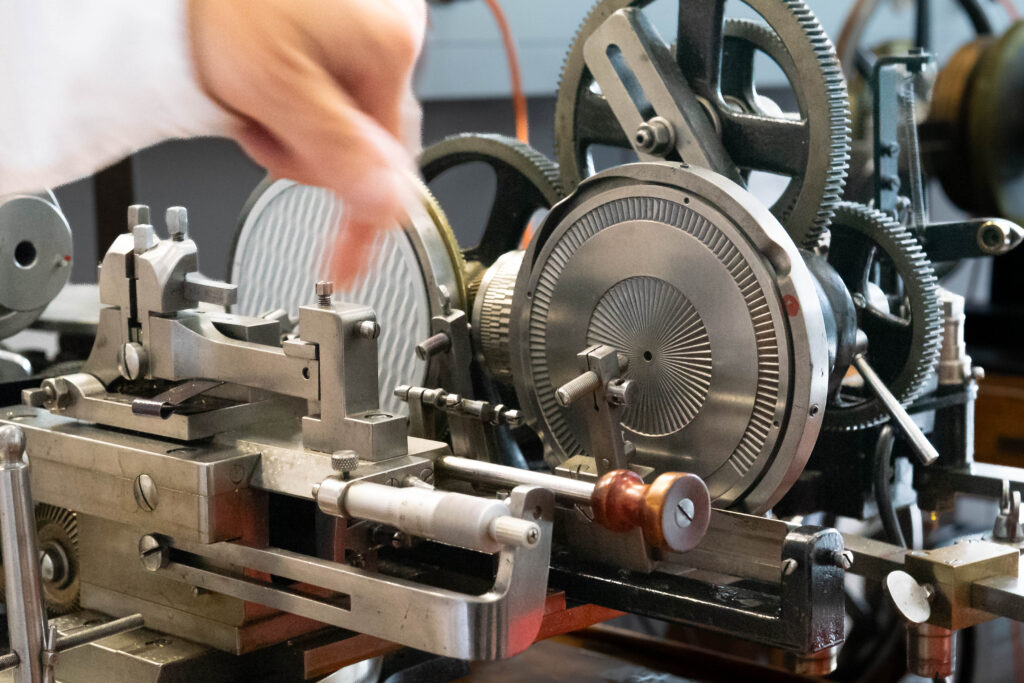
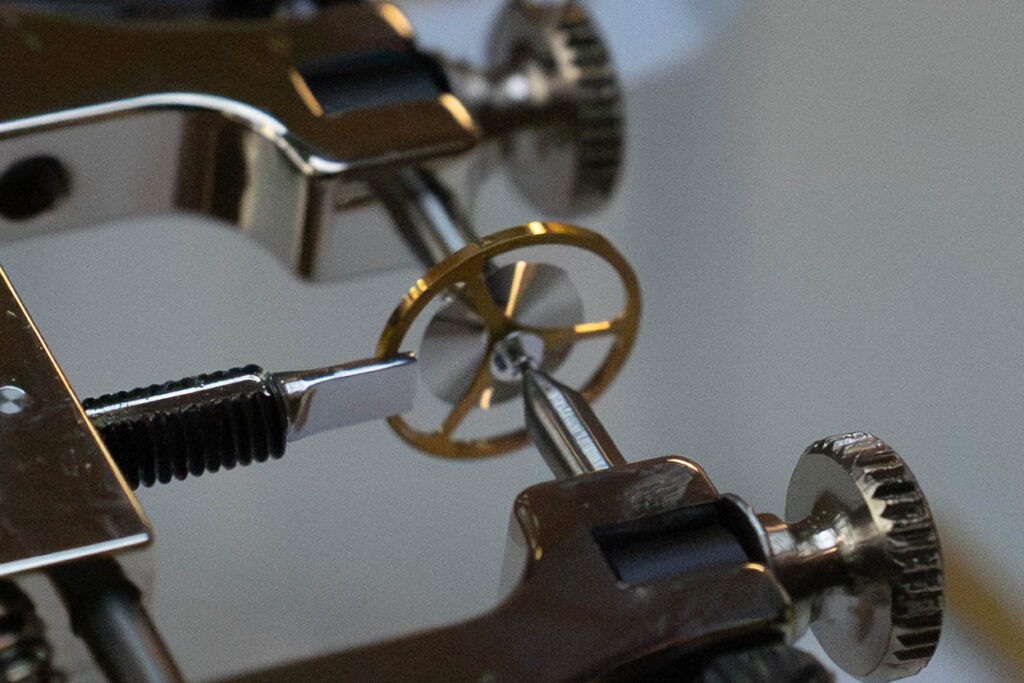
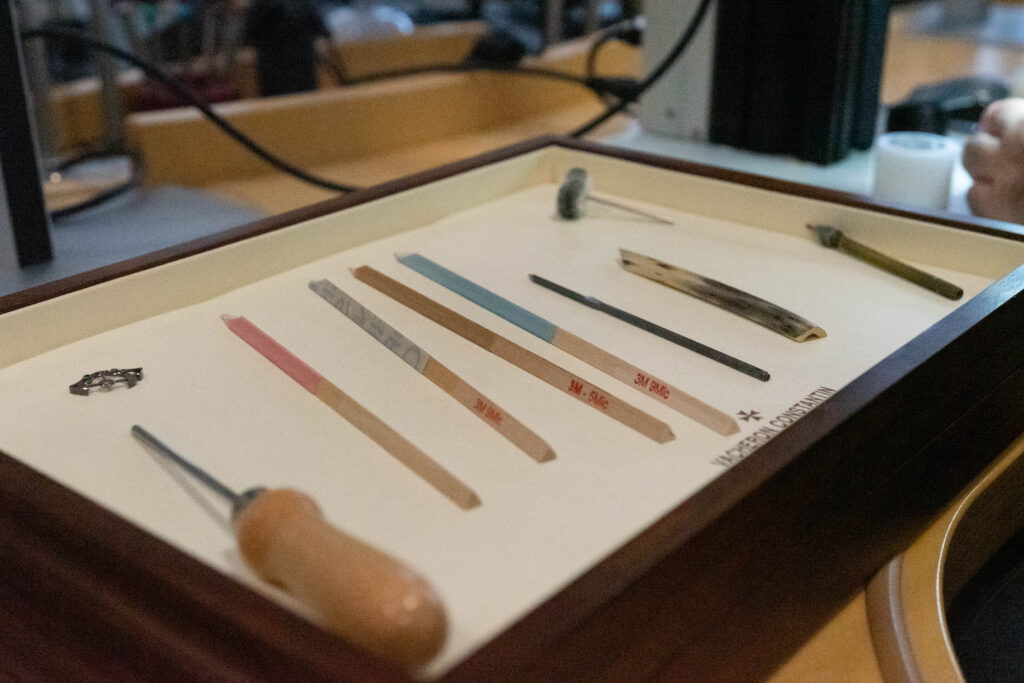

Why? Because many, if not most, Swiss watch brands outsource a lot of their production, often to China. Laws governing the Swiss Made label were written precisely to accommodate such globalization. For this reason, Swiss watch factories can seem bogglingly small and understaffed, the tours perfunctory, the “watchmaking” performative. The resulting irony is that some of the largest Swiss watch factories belong to brands that sell relatively few watches.
Vacheron Constantin doesn’t disclose production numbers, but Bloomberg has estimated it around 20,000 annually. For reference, Rolex is thought to make around 1.2 million watches annually, Omega around half that, with Audemars Piguet and Patek Philippe each producing somewhere around 50,000 annually. (All estimates calculated by third parties.) At roughly 20,000 watches annually, it seemed entirely possible that Vacheron Constantin was making pretty much everything right there where I stood—or, to use the oft abused term, in-house.
It’s worth noting that some high-end Swiss watch brands have collectivized aspects of production through co-ownership of specialized factories (e.g. hairspring manufacturing or gold smelting). In fact, going back a century or so, the notion of a Swiss watch being made under one roof was unheard of, because watchmaking was literally a cottage industry. Even Jaeger-LeCoultre moved into Vacheron’s former Geneva-based factory in the 1930s, kicking off a prolific era of collaboration between these storied brands. Compared to outsourcing to China, none of this really upsets the concept of a watch having been made “in-house” and certainly not “in Switzerland.”
Fussy semantics aside, my time at Vacheron Constantin’s manufacture revealed a brand operating at the highest levels of industrialized horology, with an impressive amount of handwork involved, yet also a brand unafraid to show off its up-to-the-minute CNC machines and other computerized gizmos. Vacheron Constantin provides an example of 21st-century watchmaking that challenges whatever cynicism we might have toward the dubious laws governing the Swiss Made label.
In a phrase, Vacheron Constantin seemed like the real deal, a quality I assume most of us crave more these days than ever before.