
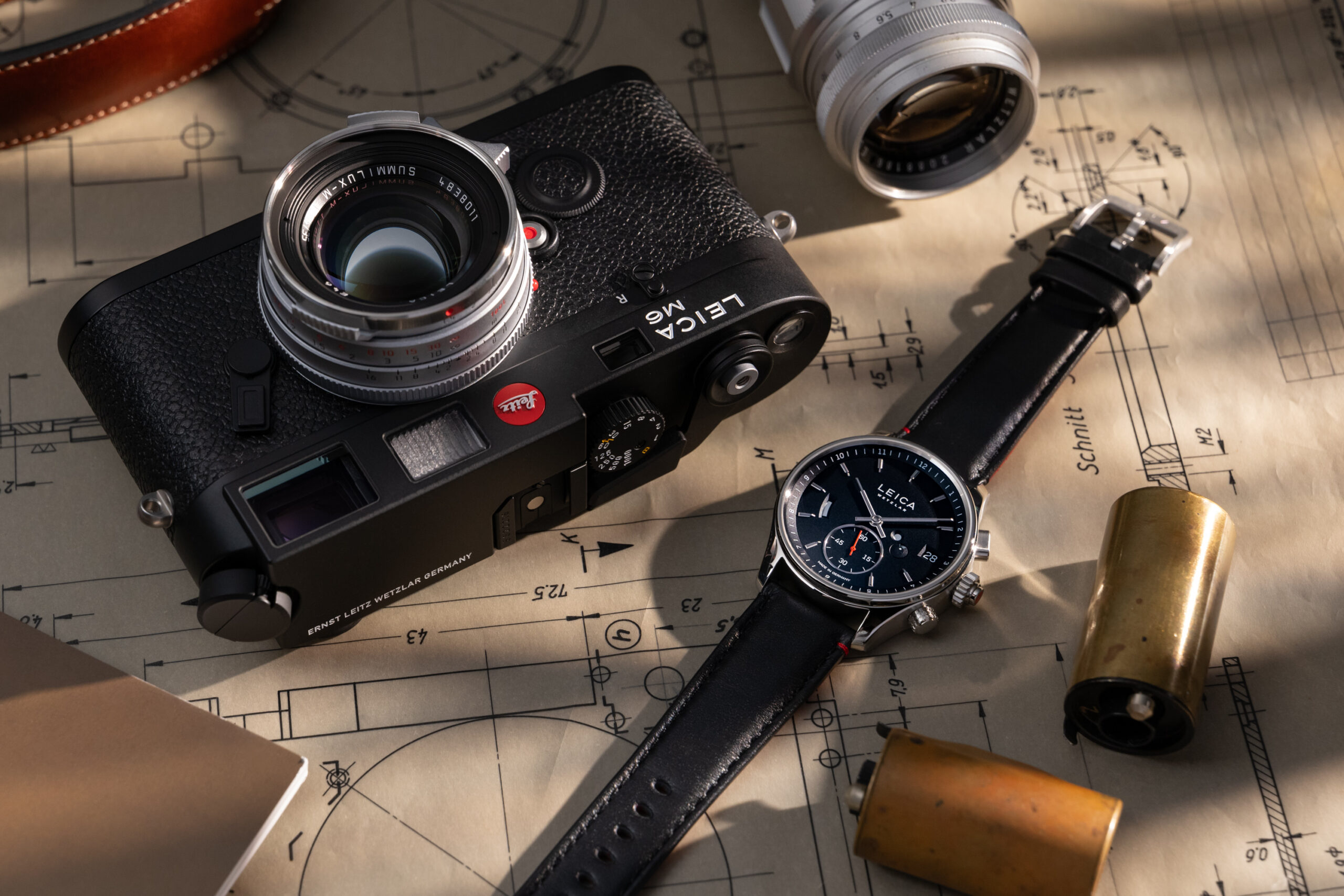
The legendary camera-maker’s relationship with watchmaking goes back much farther than you might think…
I’m going to be honest, I’m not a watch journalist or even a serious collector, though I am a major enthusiast of course. My day job, however, is as a PR. Basically, it’s my job to be the middleman between brands and the rest of the world. It’s not always as glamorous as it sounds, but it does have some major upsides: the biggest of which is that I get to learn some cool stuff that as a budding enthusiast I wouldn’t have dreamed coming across myself. Sometimes it’s stuff that everyone but me seems intimate with; other times it comes deep from the archives. Either way, I love getting the chance to talk about it. So let’s start with Leica.
I recently had the pleasure of hosting several journalists at Leica’s HQ in Wetzlar, Germany. Known mostly for their superior cameras and lenses, a good few years back they decided to expand into the horological market. It was a long time coming and they wanted to launch with a sincere and authentic collection, with many nods to their heritage. This in itself is probably not news, but what I was interested to discover was the deep connection with watchmaking and how it helped inform the engineering of some of the first 35mm cameras, making street and reportage photography possible and reshaping how we are able to view the world.
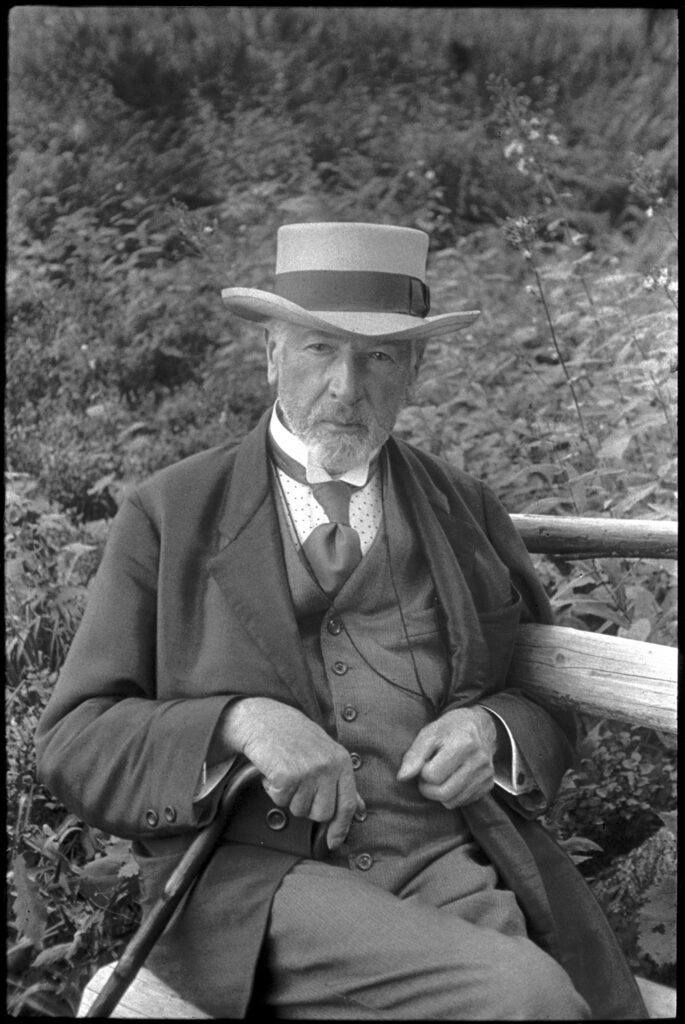
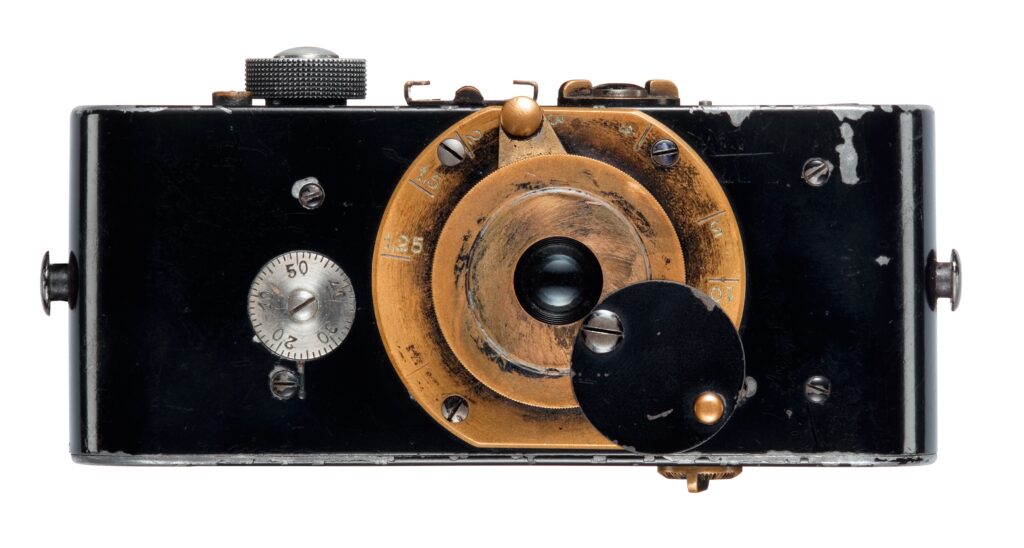
During a presentation on the history of Leica, giving us necessary context for the move from cameras into watches, Leica Watch MD Henrik Ekdahl (formerly of IWC) showed us an early model of a Leica M film camera, with the top plate removed. Here is where the journalists all leaned forward, their eyes softening with the sight of something both familiar and unexpected. What they noticed was a few gears, levers and springs reminiscent of a watch movement. And this is where Henrik mentioned that one of Leica’s earliest members, Ernst Leitz, had trained in watchmaking.
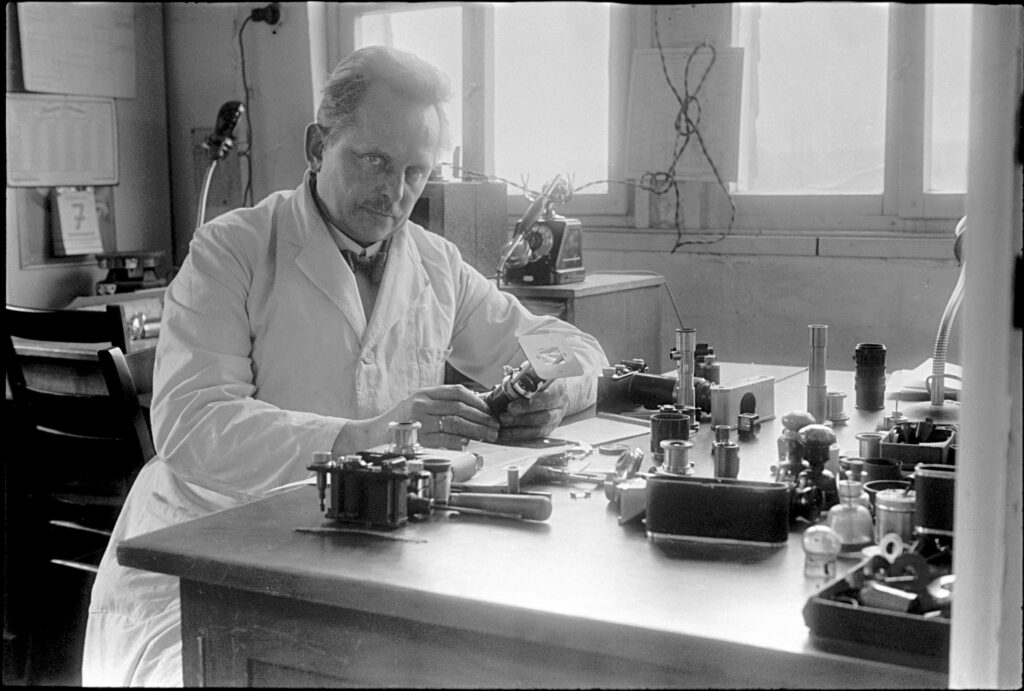
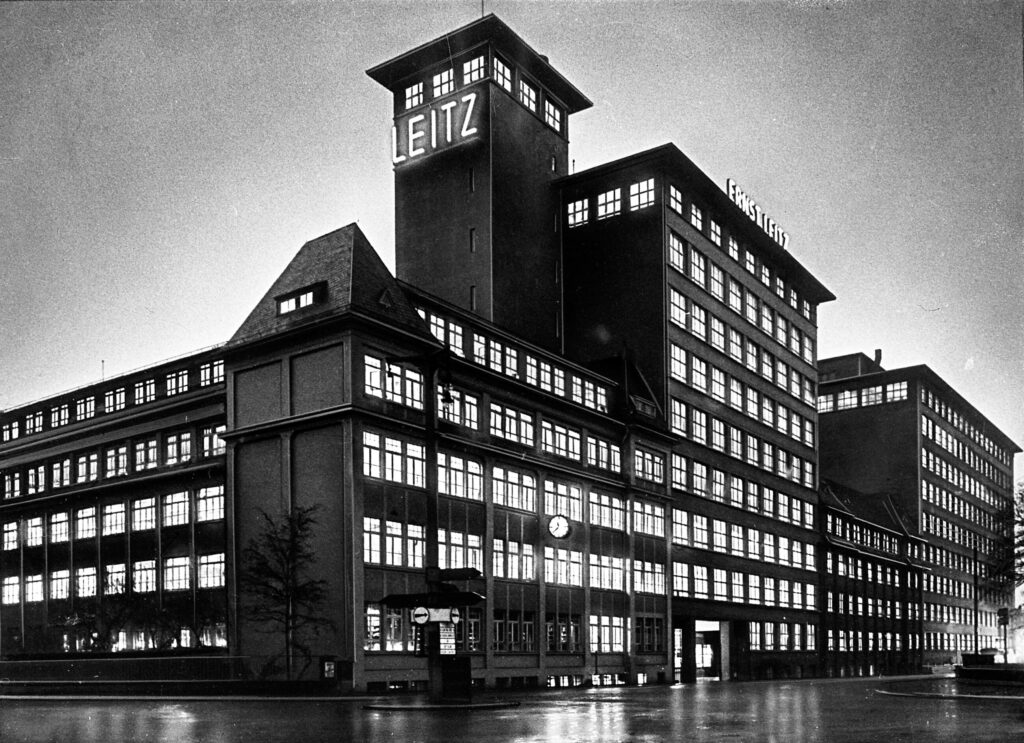
Now this is where I felt a tad stupid. I’m well aware of Leica’s history, Oskar Barnack’s et al’s development of the first 35mm camera, making what was a big and clunky medium into a small handheld one, and it never once occurred to me the similarities between precision micro-engineering developed over hundreds of years to create beautiful and crucially small timepieces, and its application in analogue cameras. The challenges faced when designing an entirely new camera are not dissimilar to those of a watch. For example, Leica’s shutter timing was inspired by a key philosophy: the controlled regulation of time. In this instance, however, the escapement-adjacent components control the release of stored energy in an exact and repeatable way to measure light in predictable intervals by changing the exposure time. Stored spring energy now moves light across film, instead of moving hands, with shutter speeds of up to 1/500 of a second.
One of the earliest and clearest examples where you can visibly see the watchmaking parallels is in the Leica III, first introduced in 1933. The small mechanical escapement is a clockwork-style mechanism that controls various shutter speeds, as mentioned above, which meant that entirely new kinds of photography, and expression through stylistic choices, were easier than ever to produce.
Whilst this application wasn’t unique to Leica, and many high-quality cameras of the time relied on similar mechanisms, what set Leica apart was the impressively miniature scale that this was housed in. When working inside increasingly smaller and smaller bodies, maintaining consistency under high strain and with very tight tolerances was made possible, for the first time in history, through a knowledge of horology. This extended to the need to develop high-performance camera optics which had exceptional resolution capable of enlarging images from small-format negatives. Again, the challenge was how to create something powerful that would work with the newly unobtrusive size of the camera body – a challenge accepted and thankfully completed.
I don’t know about you but that’s pretty damn cool.
Imagine a world where we still have to pose like deadpan Victorians for a few minutes just to get a portrait with family members you don’t really care about, and not have the ability to quickly snap your drunk friend as he’s doing something stupid.
Having trained in Neuchatel under Matthäus Hipp in 1858, the 20-year-old Ernst Leitz might not yet have understood how he could take his studies and use them elsewhere, but I’m bloody glad he eventually did. He was of course not alone in developing these new tools, there was a team of brilliant optical developers who would pioneer methods to create sharp lenses in portable sizes, and of course you can’t forget the marketeers who made it a highly sought after product with photographers initially unconvinced there would be a need for such imagery.
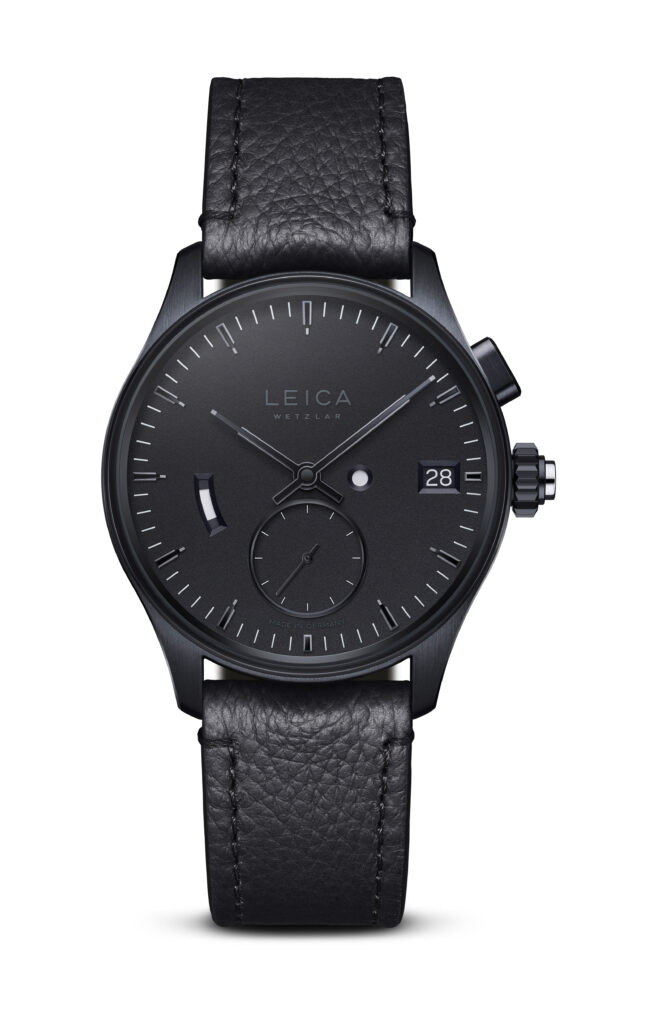
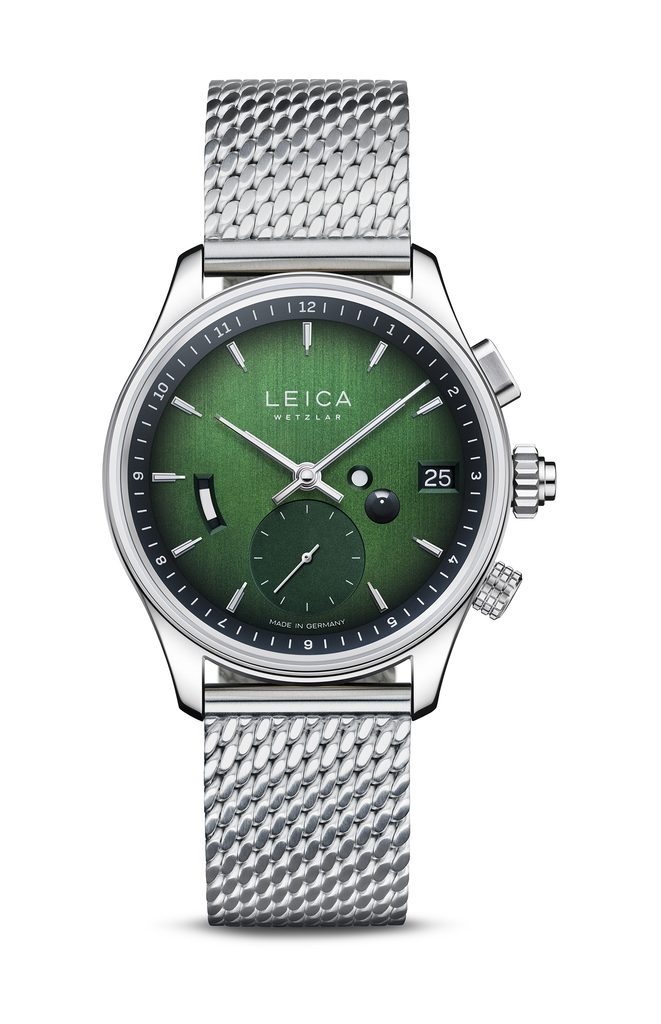
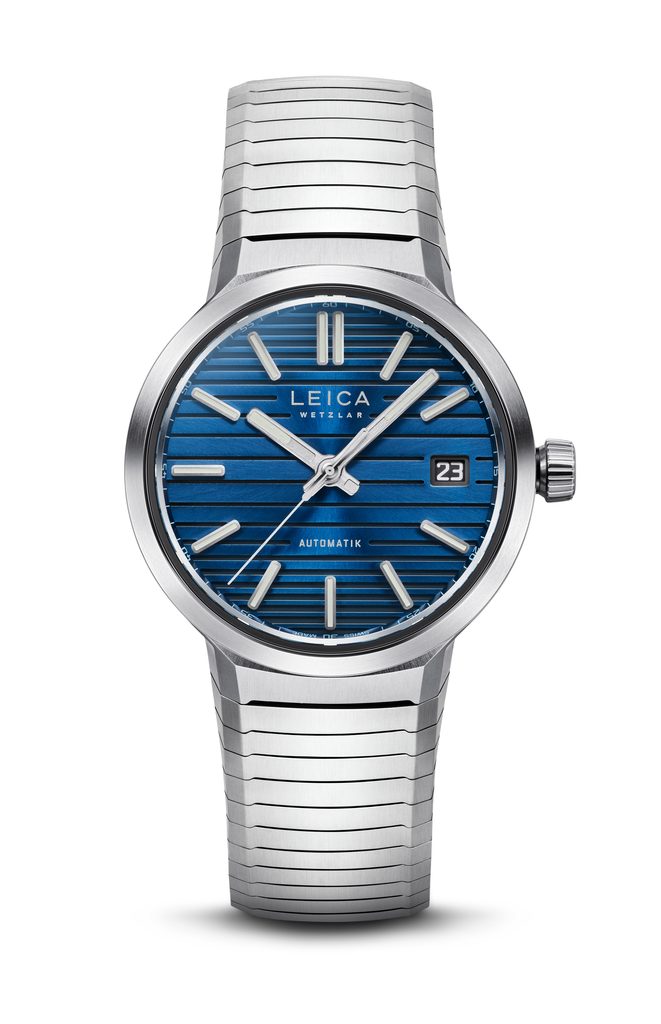
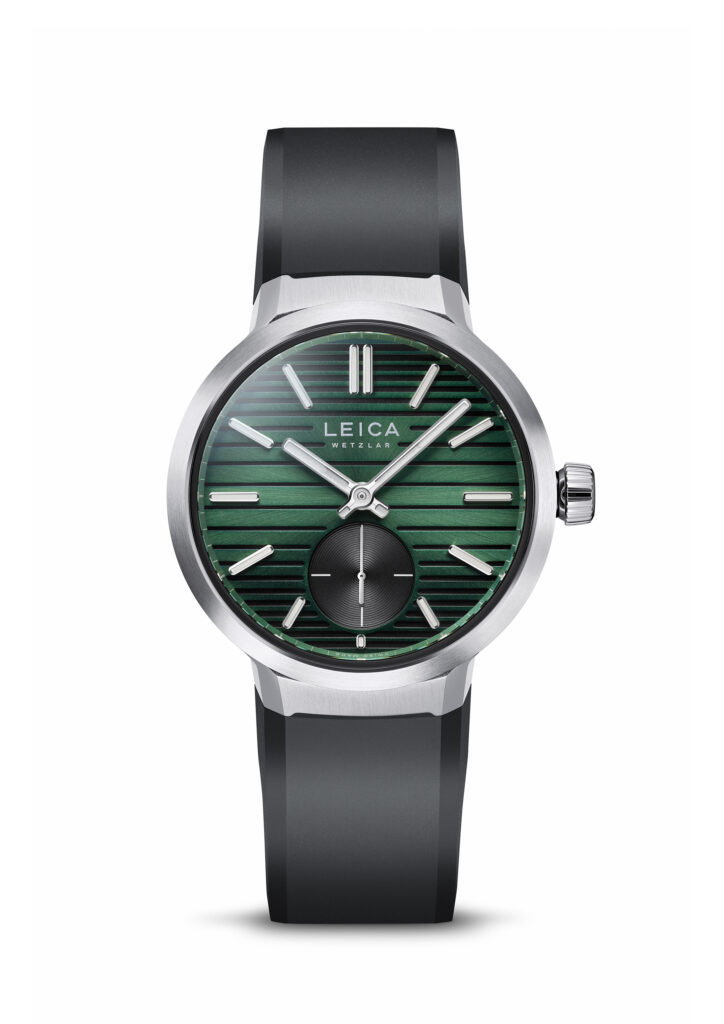
The modern-day Leica watches are thoughtful interpretations from a brand famed for their design language, with several nods to the current product lines such as the all-black Leica ZM1 Monochrom , which not so subtly hints at the black-and-white only camera range, or (my favourite easter egg) a patented push-crown function that emulates pressing the shutter button when taking a picture, only this time replacing a pull-out crown with one that activates with a press in order to stop the movement, reset the small seconds and place the watch into time-setting mode. There’s even a rather neat hidden status indicator that turns the famous Leica red to let you know when you are in or out of the mode. On newer models such as the ZM11 or ZM12’s, quick release bracelets are activated with a small red dot button, the clearest link to the brand’s iconic logo.
All in all, this isn’t a random cash-grab from a corporation who does things by halves, it’s been a journey lasting over a hundred years that has resulted in a rather satisfying collection and a chance to tell a story that otherwise might have been completely forgotten. Love or hate the watches, you can’t accuse Leica of not being authentic on this one.